
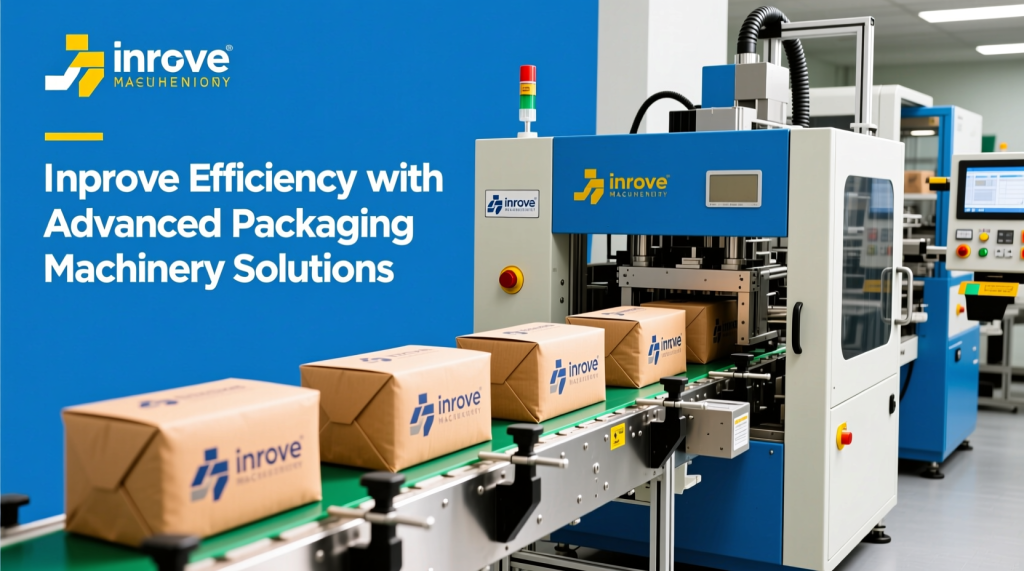
What is Packaging machinery
What is Packaging machinery?
Definition: Packaging machinery is the mechanical backbone of modern product delivery. Think of it as the assembly line’s final artist—sealing, labeling, and wrapping products with precision. These machines are designed to handle various processes involved in the packaging of goods, transforming raw or semi-packaged items into shelf-ready products. From bagging snacks to bottling pharmaceuticals, packaging machinery ensures that products are safe, attractive, and ready for distribution.
Classification:
- By Form: Includes horizontal form-fill-seal machines, vertical form-fill-seal machines, and blister packaging machines, designated by the direction and style of their operation.
- By Automation Level: Ranges from manual, semi-automatic, to fully automatic packaging machines.
- By Material Type: Designed specifically to handle liquid, powder, granule, or solid materials.
- By Function: Includes filling machines, sealing machines, labeling machines, wrapping machines, and coding/marking machines.
Core Value and Role
- Standardization and Quality Assurance: Ensures each product is packaged to identical specifications, reducing variability and ensuring safety.
- Operational Efficiency: Increases packaging speed significantly, reducing labor requirements and time-to-market.
- Product Protection: Shields contents from contamination, humidity, and mechanical damage during handling and transport.
- Branding and Consumer Appeal: Enhances visual presentation to attract consumers and provide information via labels and barcodes.
- Regulatory Compliance: Especially in pharmaceuticals and food, it helps meet stringent safety and traceability requirements.
Packaging machinery Industry Development History: From Emergence to the Intelligent Era
Technological Emergence Period (Late 19th – Early 20th Century)
Packaging machinery first gained prominence in the industrial revolution era, with early inventions like mechanical canning systems and hand-operated sealing units helping manufacturers shift from labor-intensive packaging to mechanized solutions.
Industrial Development Period (1950s–1980s)
This era saw the introduction of automated conveyor belts, form-fill-seal (FFS) machines, and pneumatic controls. These industrial packaging equipment options drove growth in food, beverage, and pharmaceutical sectors, dramatically improving efficiency and hygiene.
Modern Innovation Period (1990s–2010s)
Adoption of programmable logic controllers (PLCs), servo motors, and advanced sensors enabled manufacturers to produce smarter, faster, and more precise machines. Integrated circuit technology also allowed for better diagnostic and productivity analytics.
From Manual to Intelligent (2010s–Present)
The industry now embraces Industry 4.0 principles — real-time monitoring, AI-based defect detection, and IoT-connected equipment have reshaped capabilities in e-commerce, pharmaceuticals, and logistics. Robotics and cobots are also standard in high-output operations.
- 1870s: First mechanical canning and sealing system patented in Europe
- 1957: Invention of continuous motion vertical form-fill-seal machine
- 1980s: PLCs introduced for automation control
- 2000s: Integration of smart sensors and touch-screen HMIs (Human Machine Interfaces)
- 2020s: AI and IoT-enabled machines for predictive maintenance and analytics
Future Outlook
Looking ahead, the industry is set to embrace eco-friendly technologies, modular design, and AI-powered decision systems. Innovations in biodegradable packaging, machine learning-driven quality checks, and self-adaptive systems will define the next frontier of packaging machinery.
Packaging machinery Applications Across Industries: The Core Driving Force of Innovation
Food and Beverage Industry
Packaging machinery in this sector solves the need for fast, hygienic, and sealed packaging of perishable goods. From vacuum sealing to automated bottle capping, machinery ensures quality retention and extended shelf life.
Core Value: Mass scalability, reduced contamination risks, and consistent branding via labeling.
Pharmaceutical Industry
Critical in ensuring dose accuracy and tamper-evidence, machinery handles blister packs, vials, and syringes with extreme precision regulations demand.
Core Value: Regulatory compliance, batch traceability, and dosage accuracy.
Cosmetics and Personal Care
Machinery packages liquids, creams, and powders in consumer-friendly containers, facilitating branding and product appeal.
Core Value: High-end aesthetics, low waste, and variety in packaging formats.
Electronics and Hardware
Ensures anti-static, safe packaging of fragile or high-value items. Integration with robotics reduces manual handling errors.
Core Value: Product integrity, anti-tampering, and energy-efficient operation.
E-commerce and Logistics
Automated boxing, labeling, and sorting systems help meet fast dispatch demands and customer personalization.
Core Value: Rapid fulfillment, reduced labor, and real-time package tracking.
| Industry | Key Equipment | Primary Function | Core Value |
|---|---|---|---|
| Food & Beverage | Form-Fill-Seal Machine | Sealing perishable items | Freshness & scale |
| Pharmaceuticals | Blister Packaging Machine | Dose packaging | Compliance & security |
| Cosmetics | Tube Filling Machine | Consistent tube filling | Branding & appearance |
| Electronics | Cushion Wrap Line | Shock-resistant packaging | Protection & traceability |
| E-commerce | Auto Cartoner | Dynamic packing & labeling | Speed & flexibility |
Packaging machinery and Material Science: A Symbiotic Technological Relationship
How Equipment Influences Material Selection
Packaging machinery dictates material engineering decisions around thickness, flexibility, sealing temperature, and transparency. High-speed machines require materials that can withstand mechanical stress without tearing, and those used in vacuum packaging must tolerate vacuum pressure and thermal changes.
Equipment Upgrades Driven by Material Progress
Innovations in materials, such as smart films, biodegradable polymers, and eco-friendly laminates have prompted upgrades in packaging machinery. New sealing modules and optical sensors are required to handle these materials effectively without compromising productivity.
| Material | Application Scenario | Required Equipment Features |
|---|---|---|
| Polyethylene (PE) | Pouch packaging for liquids | Heat-resistant sealing jaws |
| Biodegradable PLA | Eco-friendly product lines | Low-temperature sealing systems |
| Laminated Films | Snack foods & medication | High-precision cutting and crimping |
| Aluminum Foil | Pharmaceutical blister packs | Controlled pressure application |
| Anti-static Films | Electronic component packaging | Static discharge protection mechanisms |
Case Example: A manufacturer using conventional cellophane film in a high-speed machine saw a 22% increase in packaging errors due to tearing. Switching to reinforced biodegradable PLA reduced error rates and met sustainability goals.
Opportunities and Challenges: New materials bring enhanced brand value and environmental benefits, but they also pose technical challenges. Machinery must adapt sealing temperatures, product feeders, pressure calibrators, and vision systems to stay compatible and efficient.
Packaging machinery Equipment Types Explained
The types of 10 Packaging machinery that customers most frequently inquire about — how many of them are you familiar with?
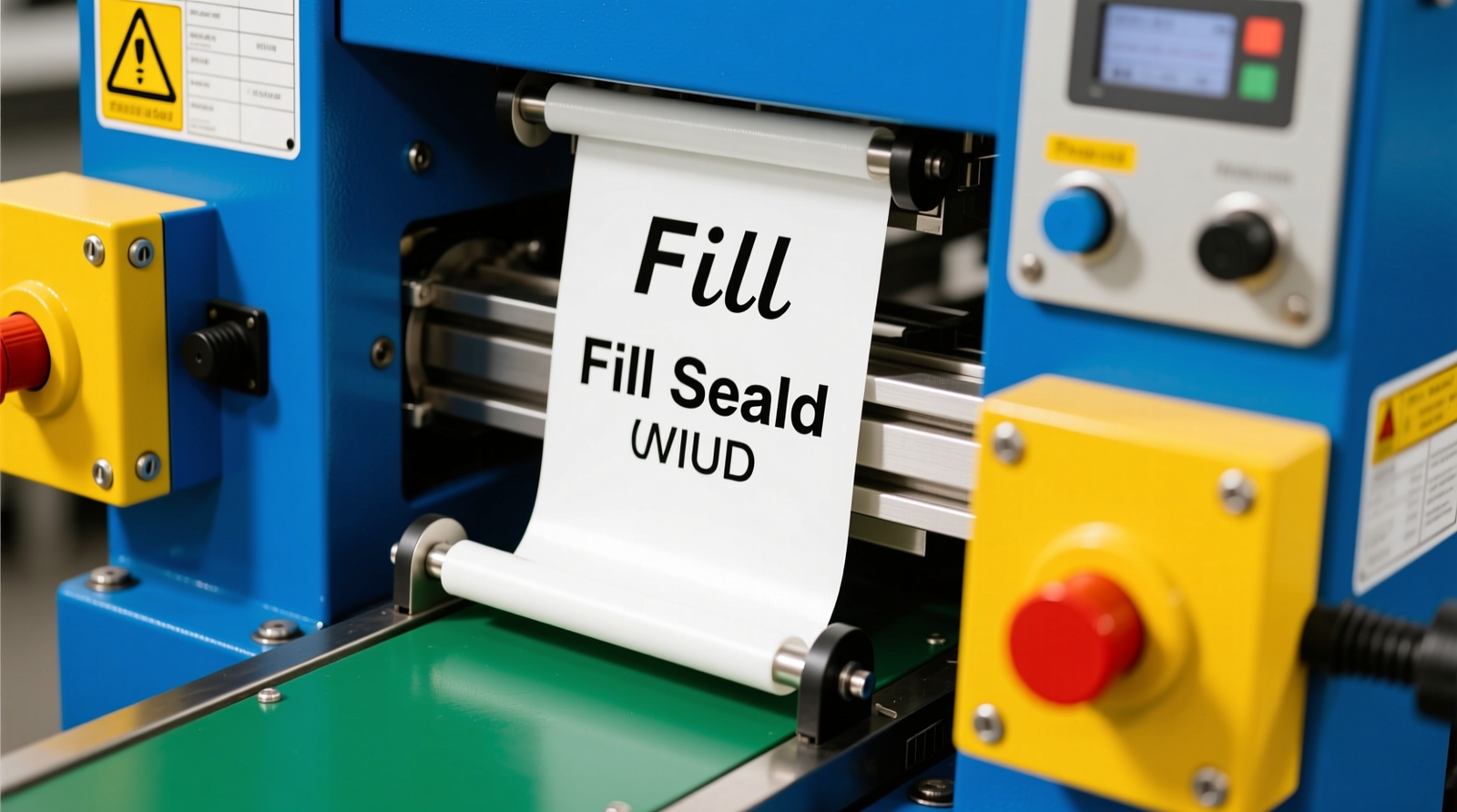
Vertical Form Fill Seal Machine (VFFS): A Comprehensive Overview
The Vertical Form Fill Seal Machine, commonly known as VFFS, is an automated packaging solution widely used in the food, pharmaceutical, and consumer goods industries. This versatile machine is designed to form, fill, and seal packaging materials in a vertical orientation, delivering efficient and consistent packaging at high production speeds.
How It Works
The VFFS machine operates by unraveling a flat roll of film that is shaped into a tube around a forming collar. The machine then seals the back and the bottom of the film to create a pouch. Product is then dispensed into the formed pouch, after which the top is sealed and the package is cut off, completing the cycle. The process repeats continuously, allowing for efficient, high-volume packaging.
Key Features
- Automated Operation: Reduces manual handling and increases production speed
- Precise Dosing: Integrates with weighing and dosing systems for accuracy
- Flexible Packaging: Supports a variety of packaging materials and sizes
- Space-Saving Design: Vertical build optimizes floor space usage
- Sealing Technology: Offers heat sealing or ultrasonic sealing options for maximum integrity
Applications
VFFS machines are well-suited for packaging granular, powder, liquid, and solid products. Common applications include snacks, coffee, spices, pet food, detergents, and pharmaceuticals. The adaptability of these machines allows manufacturers to switch between different products with minimal setup changes.
Benefits of Using a VFFS Machine
- Improves packaging speed and throughput
- Reduces labor costs and human error
- Ensures consistent package quality and appearance
- Offers intuitive controls for easy operation and maintenance
- Minimizes material waste through accurate cutting and sealing
Choosing the Right VFFS Machine
When selecting a Vertical Form Fill Seal Machine, key considerations include the type of product being packaged, desired pouch style, production volume, and available floor space. Advanced models offer features such as touch-screen interfaces, automated film tracking, and integration with ERP systems for streamlined operations.
In conclusion, the Vertical Form Fill Seal Machine is a vital piece of equipment for modern packaging lines. Its ability to efficiently create durable, attractive packaging while streamlining the production process makes it a valuable investment for businesses looking to scale their operations.

Horizontal Flow Wrapper
A horizontal flow wrapper is a highly efficient packaging machine designed for wrapping individual products in a continuous motion using flexible film materials. It is widely employed in various industries including food, pharmaceuticals, cosmetics, and consumer goods, offering both automation and consistency in packaging processes.
Operating in a horizontal plane, the machine feeds products through a film roll, which gets wrapped around the product as it moves forward on a conveyor belt. The package is then sealed using a combination of heat and pressure, typically incorporating both longitudinal and end seals to ensure airtight and tamper-proof protection. The result is a secure, pillow-shaped package that maintains the integrity and freshness of the product inside.
One of the key advantages of horizontal flow wrappers is their versatility. They can package a wide range of product shapes and sizes with minimal changeover time. This feature makes them ideal for manufacturers handling multiple SKUs or seasonal product lines. Common applications include candy bars, baked goods, medical devices, soaps, and snack foods.
Horizontal flow wrappers are engineered for high-speed performance, precision, and sanitary standards. Advanced models often come equipped with touch-screen controls, automatic film alignment, date coders, and product sensors to handle fragile or irregular items with ease.
With increasing demand for efficient and visually appealing packaging solutions, horizontal flow wrappers continue to be a staple in modern production lines, delivering both product protection and enhanced shelf presentation.
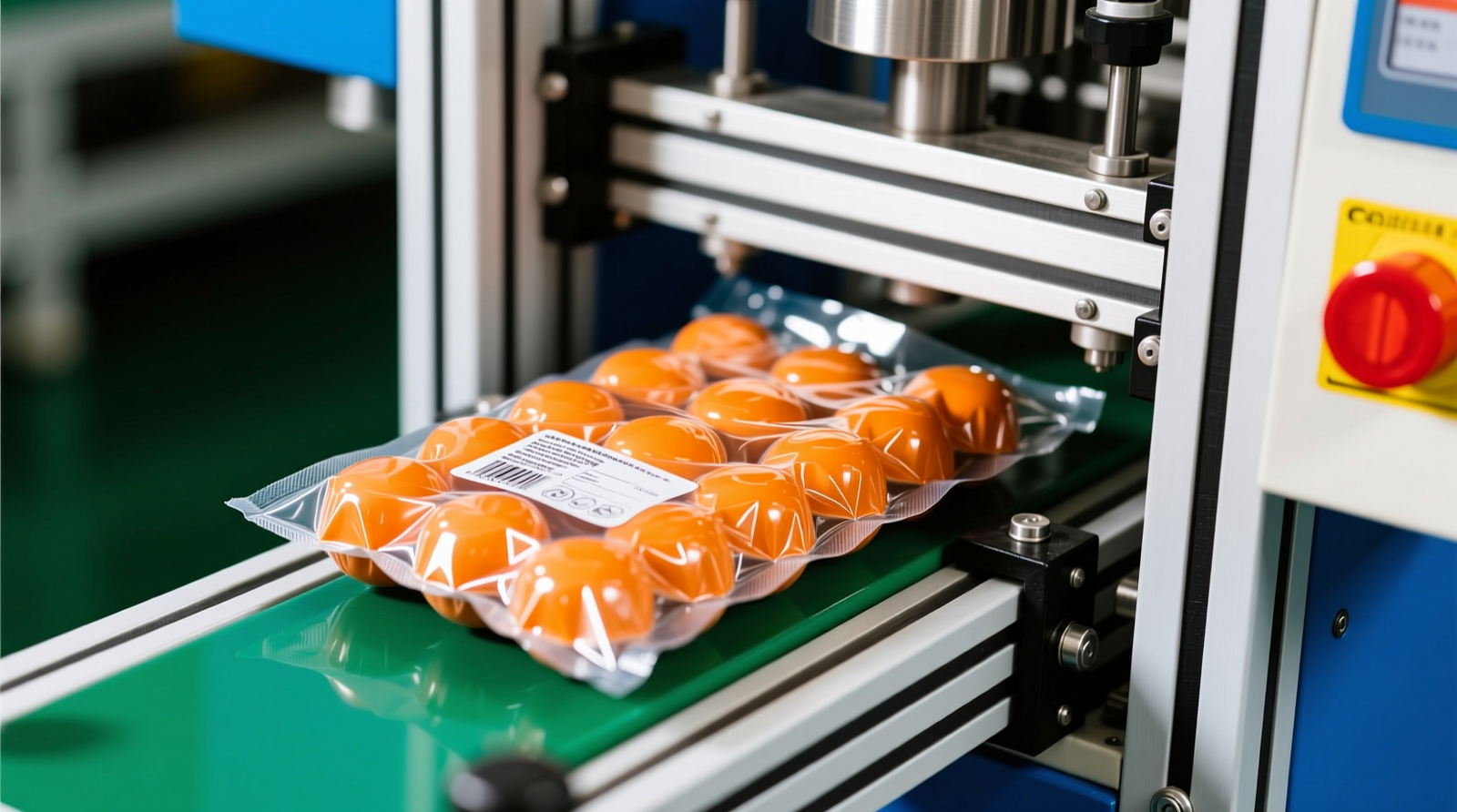
Blister Packaging Machine
A blister packaging machine is a specialized piece of equipment used to form pre-formed plastic packaging, commonly known as blister packs. These machines are widely utilized in industries such as pharmaceuticals, consumer goods, and electronics, due to their ability to efficiently seal products in a protective and tamper-evident container.
Blister packs typically consist of a cavity or pocket made from thermoformed plastic, which is sealed to a backing material like aluminum foil or paperboard. The blister packaging machine automates the process of shaping the plastic, inserting the product, sealing the backing material, and optionally printing identification or branding information.
Key Features of Blister Packaging Machines
- High-speed production capabilities to meet industrial demand
- Compatibility with various packaging materials and formats
- Precision heating and forming units for consistent blister quality
- Integrated feeding systems for accurate product placement
- Automatic sealing mechanisms for airtight and secure packages
- User-friendly control panels for efficient operation and monitoring
Types of Blister Packaging Machines
There are mainly two types of blister packaging machines:
- Thermoforming Machines – Use heated plastic films to form blisters, ideal for pharmaceuticals and non-food products
- Cold Forming Machines – Utilize aluminum-based materials, offering superior protection for moisture-sensitive products
Applications and Industries
Blister packaging machines are essential in various industries:
- Pharmaceuticals: For tablets, capsules, and ampoules ensuring hygiene and shelf-life
- Consumer Electronics: For packaging items like batteries, USB drives, and small gadgets
- Retail: For securely displaying products such as toys, tools, and hardware
Modern blister packaging machines offer advanced safety systems, rapid changeovers, and compliance with international packaging standards. Investing in the right blister packing technology enhances production efficiency, reduces material waste, and elevates overall product presentation.
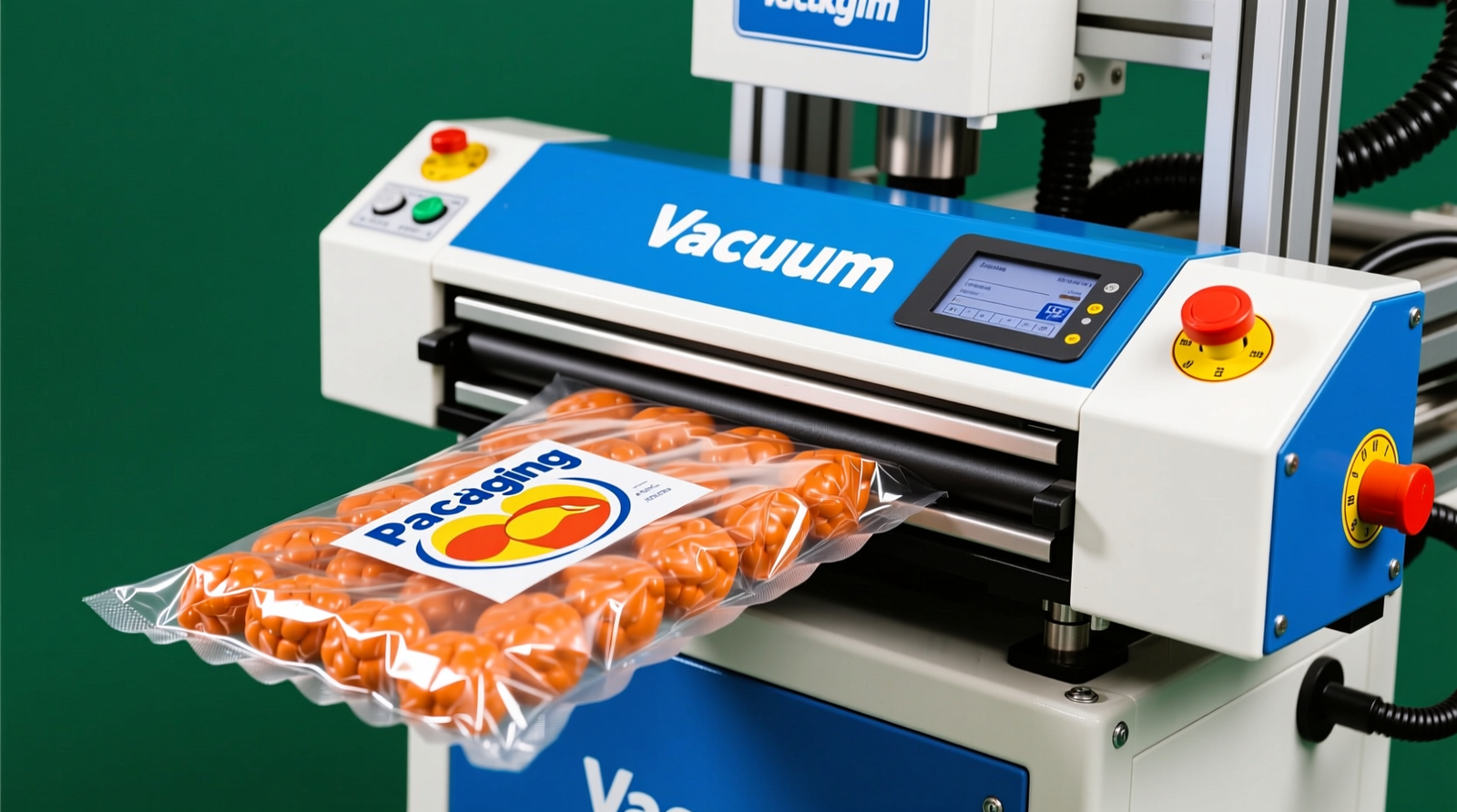
Vacuum Packaging Machine
A vacuum packaging machine is a cutting-edge device designed to preserve food and non-food items by removing air from the packaging before sealing. This process helps to extend shelf life, maintain freshness, and reduce the risk of contamination. These machines are widely used in various industries, including food processing, pharmaceuticals, electronics, and retail.
Vacuum packaging machines work by creating an airtight environment around the product. The machine extracts air from the packaging chamber and then seals the package using heat. This not only prevents the growth of bacteria and mold but also protects the product from moisture, oxygen, and other environmental factors that can cause spoilage.
There are different types of vacuum packaging machines available in the market to meet diverse operational requirements. The most common categories include chamber vacuum sealers, external vacuum sealers, and thermoforming machines. Chamber vacuum machines are ideal for commercial use, offering high sealing efficiency and consistent vacuum pressure. External vacuum sealers are suitable for smaller operations or household use, providing ease of use and portability.
Modern vacuum packaging machines come with advanced features such as digital controls, customizable vacuum levels, automatic sealing cycles, and gas flushing options. Some models also support integration with production lines, enhancing workflow productivity and automation.
In industries where hygiene and quality are critical, a vacuum packaging machine is an essential tool. It ensures product safety, reduces waste, and improves packaging appeal. Whether used in small-scale kitchens or large manufacturing plants, vacuum packaging technology offers practical and cost-effective solutions for long-term storage and efficient distribution.
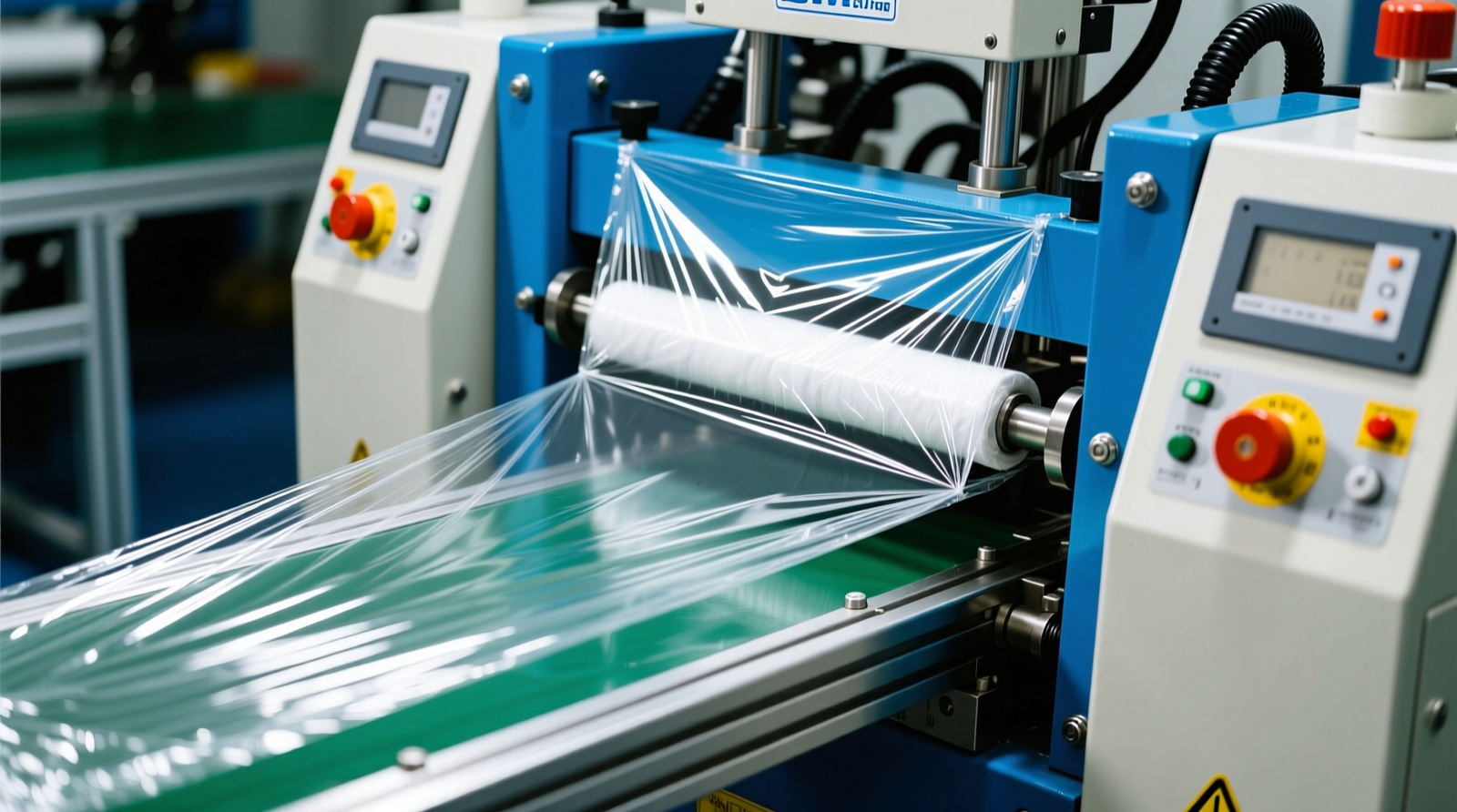
Shrink Wrap Machine
A shrink wrap machine is a packaging device designed to apply a shrink film around products or packages and then use heat to shrink the film, creating a tight and secure seal. This type of packaging is widely used to protect items from dust, moisture, and damage during storage or transportation. Shrink wrap machines come in various configurations, such as manual, semi-automatic, and fully automatic models, making them suitable for businesses of all sizes and packaging volumes.
These machines typically consist of two main components: the film wrapping mechanism and the heat tunnel or heat gun. The film is applied over the product and then exposed to hot air, which causes the film to shrink tightly around the contents. Common shrink films include polyolefin, PVC, and polyethylene, each offering different levels of strength, clarity, and heat resistance.
Shrink wrap machines are commonly used in industries such as food and beverage, pharmaceuticals, cosmetics, electronics, and retail. They are ideal for bundling products, enhancing tamper evidence, and improving shelf appeal. Advanced models offer features such as programmable settings, high-speed operations, and energy-efficient heat sources, increasing productivity and reducing material waste.
When selecting a shrink wrap machine, factors such as product dimensions, production volume, type of shrink film, and desired packaging speed should be considered. Automation options and compatibility with existing packaging lines can also play a crucial role in optimizing workflow efficiency and ensuring consistent packaging quality.
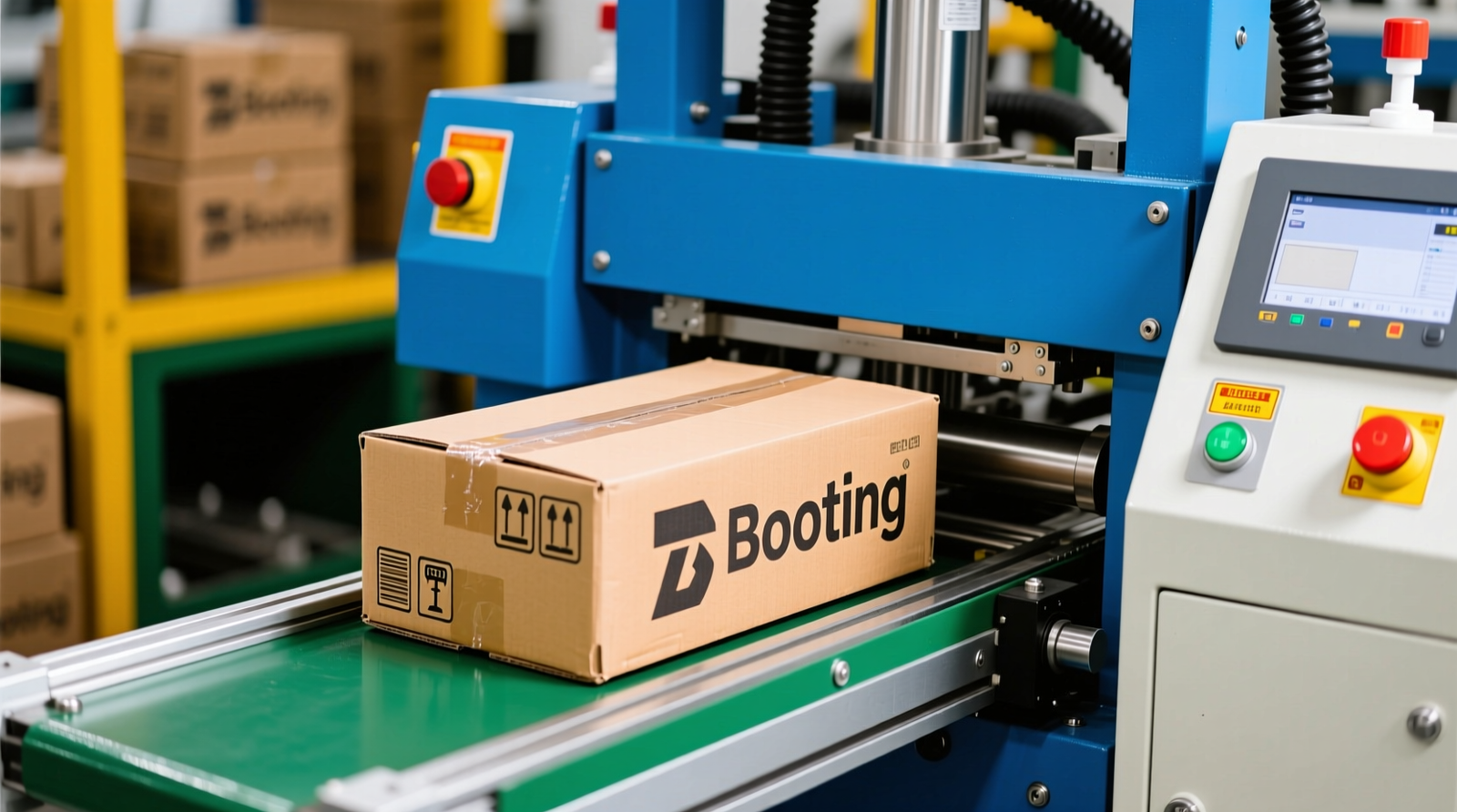
Cartoning Machine
A cartoning machine is a type of packaging machinery designed to form, fill, and close cartons or boxes. Commonly used in various industries such as food, pharmaceuticals, cosmetics, and household products, this machine enhances packaging efficiency and ensures high-quality product presentation.
Cartoning machines are generally categorized into two main types: horizontal and vertical. A horizontal cartoning machine places products into cartons horizontally and is ideal for packaging items like tubes, blister packs, and bottles. A vertical cartoning machine loads products from the top and is typically used for bulkier or irregularly shaped items like snack foods or hardware components.
The cartoning process generally includes several steps: carton erection, product insertion, carton closing, and sealing. Most modern cartoning machines are designed with fully automated systems that integrate with conveyors and product feeders to enhance productivity and reduce manual labor.
Key features of advanced cartoning machines include high-speed operation, precise control mechanisms, compatibility with various packaging materials, and flexibility to handle different carton sizes. In addition, many machines now incorporate digital interfaces, programmable logic controllers (PLCs), and robotic systems to offer better customization and reduce downtime.
Choosing the right cartoning machine depends on factors such as product type, production capacity, packaging speed, and space availability. Investing in a high-quality cartoning system not only streamlines the packaging process but also helps maintain product integrity and enhances brand reputation through professional-looking packaging.
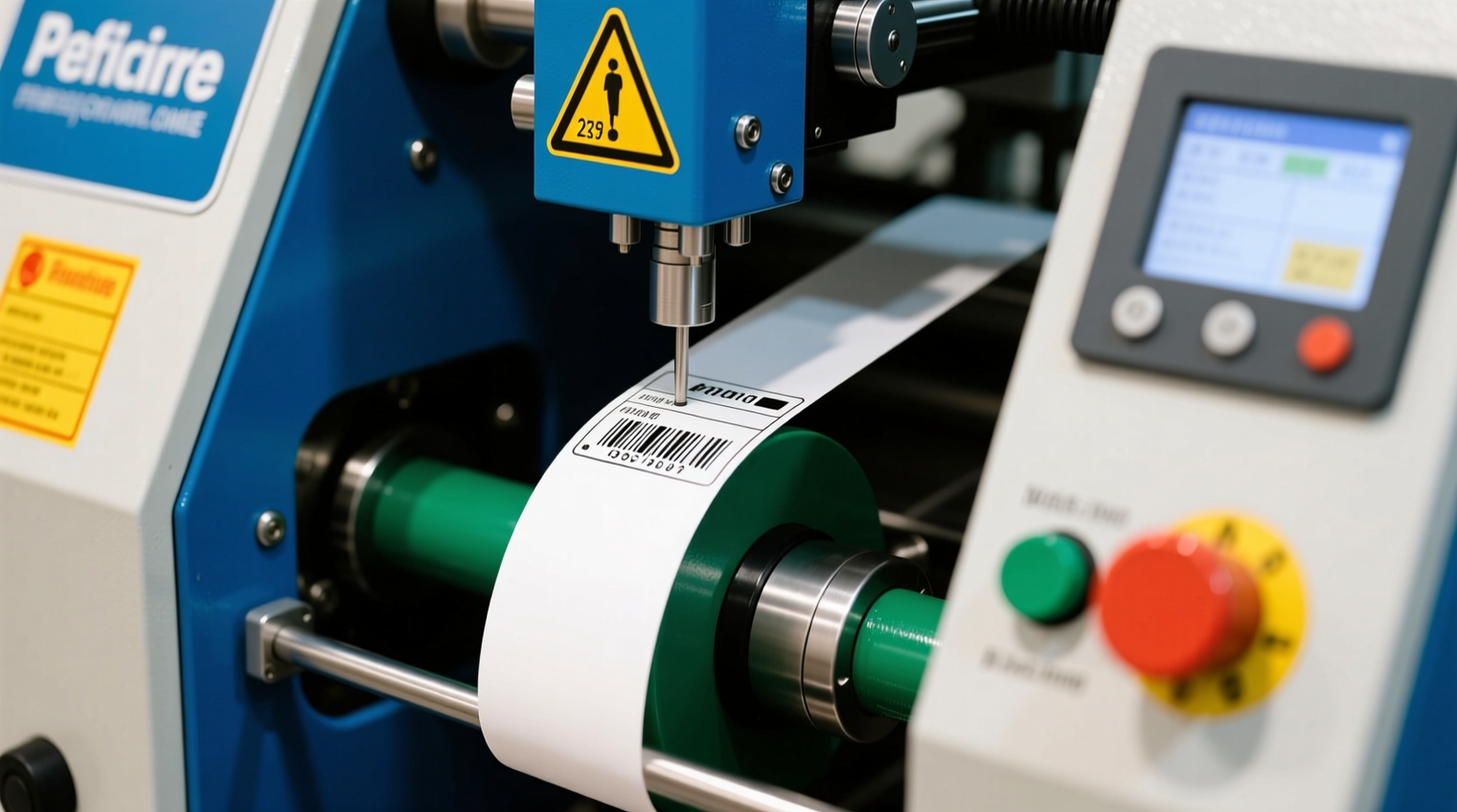
Labeling Machine
A labeling machine is a specialized piece of equipment used in manufacturing and packaging industries to automatically apply labels to products, containers, or packages with precision and speed. These machines are vital in sectors such as food and beverage, pharmaceuticals, cosmetics, and logistics, where correct and consistent labeling plays a crucial role in branding, compliance, and information dissemination.
There are various types of labeling machines, including automatic, semi-automatic, and manual models, each designed to meet different production capacities and labeling requirements. Automatic labeling machines offer high-speed performance and can handle large volumes with minimal human intervention, making them ideal for large-scale production lines.
Labeling machines support a wide range of label types, including pressure-sensitive labels, sleeve labels, wrap-around labels, and front-and-back labels. These machines can be integrated into the product line and synced with other equipment like conveyors, fillers, or sealers, ensuring seamless operation and reduced production times.
Advanced labeling machines feature programmable logic controllers (PLCs), touch screen interfaces, and sensors for precise label placement. They also offer flexibility to accommodate different shapes and sizes of containers, enhancing versatility in packaging processes. Whether labeling bottles, jars, boxes, or pouches, these machines ensure accuracy, consistency, and professional product presentation.
Investing in a quality labeling machine not only enhances operational efficiency but also helps meet regulatory requirements by ensuring correct labeling of ingredients, batch numbers, expiry dates, and barcodes. This makes the labeling machine a critical asset for businesses aiming for scalability, compliance, and consistent product identity in competitive markets.
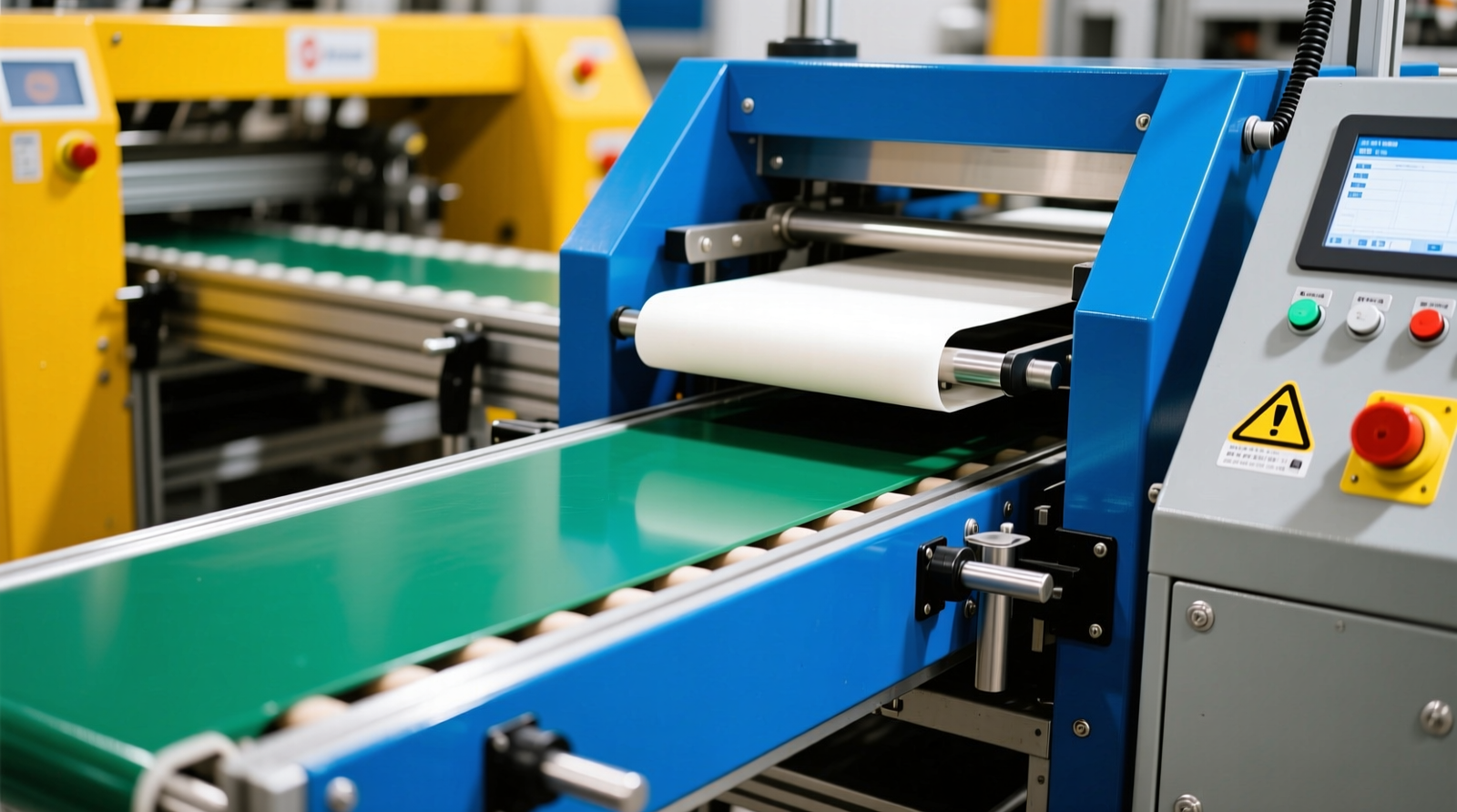
Case Packer: Streamlining End-of-Line Packaging Efficiency
A case packer is a type of automated packaging equipment used to efficiently arrange and insert products into cases or cartons for shipment and distribution. These machines play a critical role in the end-of-line packaging process, helping manufacturers improve production speed, reduce labor costs, and ensure consistent packaging quality.
There are various types of case packers designed to accommodate different packaging requirements, including horizontal case packers, vertical case packers, and wrap-around case packers. Each configuration serves specific applications based on the nature of the product, production volume, and integration needs within automated lines.
Horizontal case packers are ideal for laying products flat into open cases, making them well-suited for bottled beverages, cans, or boxed items. Vertical case packers, on the other hand, are used when products are stacked upright, offering better orientation and stability for products like jars or cartons. Wrap-around case packers form cases around the product, optimizing material use and providing a snug fit that improves load stability during transit.
Modern case packers come equipped with advanced control systems, programmable logic controllers (PLCs), and sensors to ensure optimal performance and reliability. Integration with upstream and downstream packaging systems allows seamless communication and synchronization across the production line. Additionally, many case packers support quick changeovers and user-friendly interfaces, enhancing operational flexibility and minimizing downtime.
Industries such as food and beverage, pharmaceuticals, personal care, and consumer goods rely heavily on case packers to meet the high demands of automated warehousing and supply chain logistics. By reducing manual labor and maintaining consistent packing standards, case packers contribute significantly to product integrity, brand reputation, and overall operational efficiency.
Palletizer: Streamlining Packaging and Material Handling
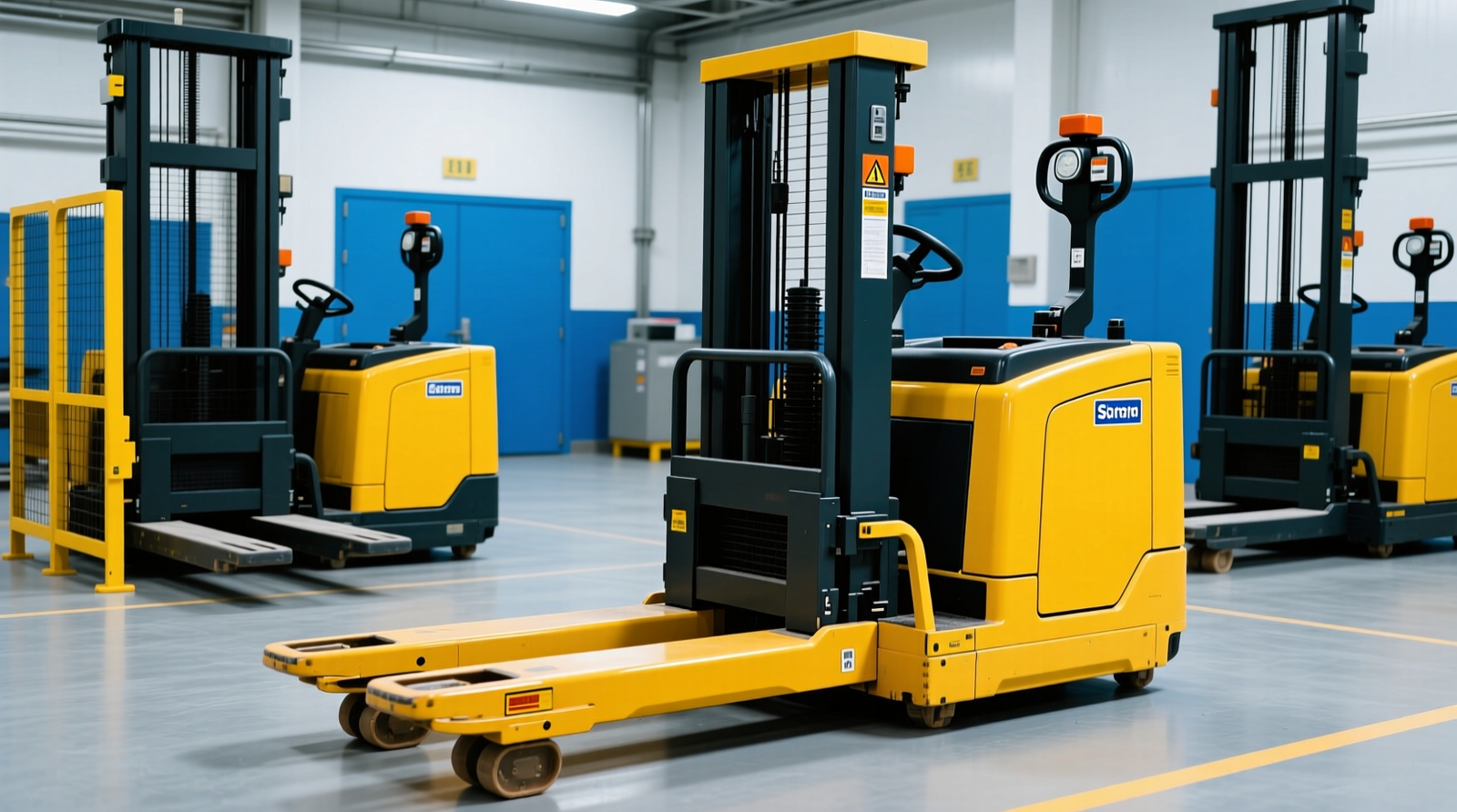
A palletizer is a highly efficient industrial machine designed to automate the process of stacking and arranging products onto pallets for storage or shipment. Commonly used in manufacturing, distribution, and warehousing industries, palletizers are key components in speeding up end-of-line packaging operations while reducing labor costs and minimizing manual handling errors.
There are several types of palletizers available, each suited to different operational needs. These include conventional palletizers, which utilize mechanical means for stacking, and robotic palletizers that use robotic arms to place items with high precision. Both types can handle a wide range of products such as boxes, bags, bottles, and cartons, making them highly versatile for various industries including food, beverage, pharmaceuticals, and automotive.
Modern palletizers are often integrated with automated conveyors and advanced sensors, enabling them to handle complex stacking patterns and work seamlessly within larger production lines. They can be customized to accommodate different pallet sizes, product dimensions, and production speeds, ensuring greater flexibility and scalability.
Incorporating a palletizer into your operations not only improves throughput but also enhances workplace safety by reducing the need for repetitive lifting. As companies continue to pursue lean manufacturing strategies and digital transformation, palletizers play a critical role in optimizing material handling and supporting continuous process improvement.
Strapping Machine
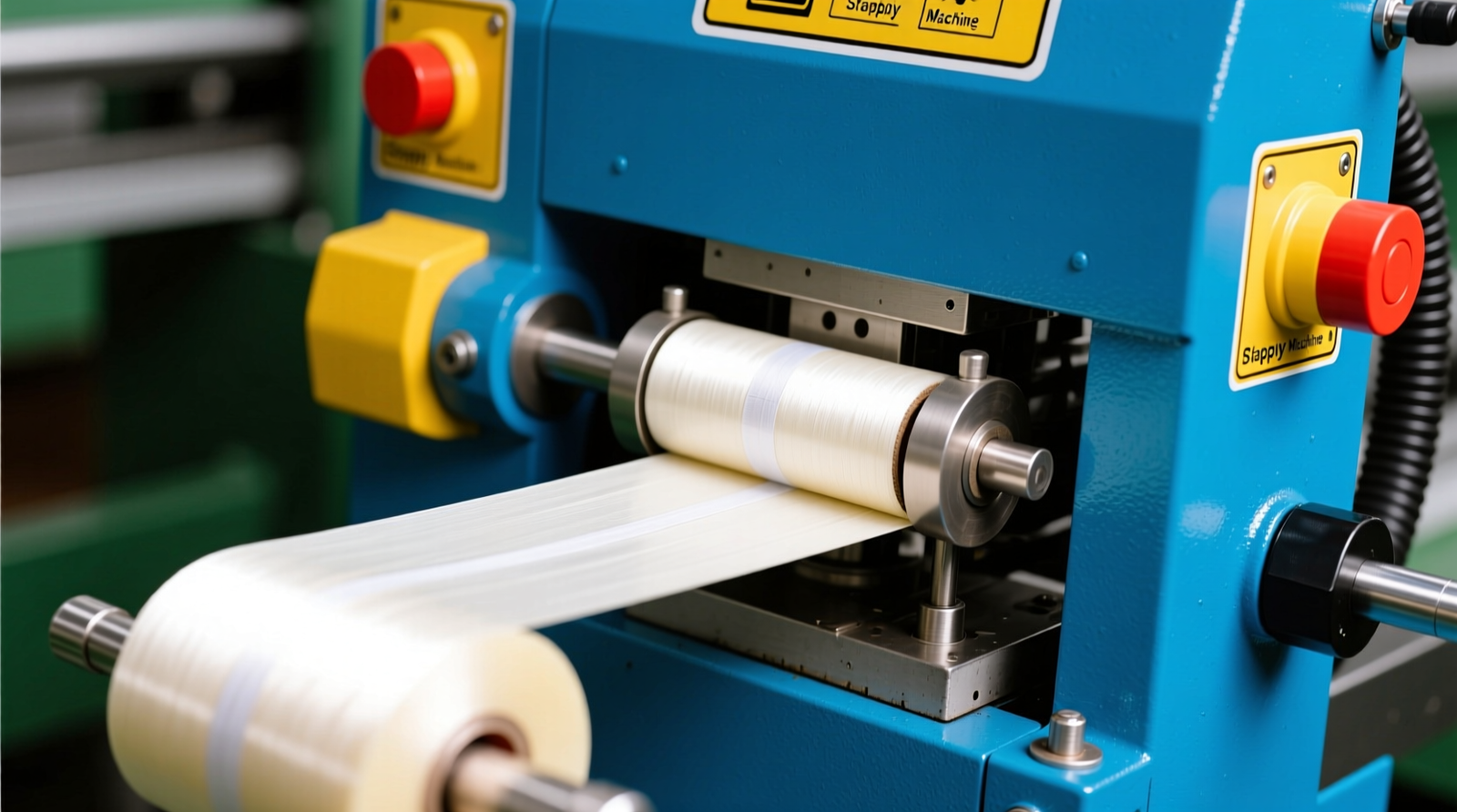
A strapping machine is a specialized packaging tool used to secure boxes, pallets, and bundles with a strap or band to ensure stability during storage and transportation. Typically used in warehouses, shipping centers, and manufacturing facilities, this machine enhances packaging efficiency and improves the safety of goods.
There are various types of strapping machines designed to meet different operational needs:
- Manual Strapping Machines: Operated by hand, ideal for low-volume applications and small packaging operations.
- Semi-Automatic Strapping Machines: Require an operator to position the strap, allowing for moderate speed and productivity.
- Automatic Strapping Machines: Fully automated and capable of high-speed strapping, suitable for industrial-scale packaging lines.
- Fully Automatic Strapping Systems: Integrated into production lines with sensors and conveyors for seamless operation and minimal human intervention.
Strapping machines use different types of straps, such as polypropylene (PP), polyester (PET), or steel, depending on the load strength and application. These plastic or metal straps are tightly secured around packages using heat sealing, friction welding, or metal clips.
Key benefits of using a strapping machine include:
- Improved packaging speed and efficiency
- Enhanced load security during handling and transport
- Reduced material waste and operational costs
- Increased consistency and professional packaging appearance
Choosing the right strapping machine depends on factors such as package size, strapping volume, available workspace, and the type of strap required. Investing in the suitable strapping solution can lead to significant long-term savings and improve overall logistics performance.
Technical Differences and Optimal Application Scenarios of Various Packaging machinery
Core Technical Parameter Comparison
| Type | Power Consumption | Precision | Speed (packs/min) | Automation Level |
|---|---|---|---|---|
| Form-Fill-Seal (FFS) Machines | Medium | High | 60–120 | Fully automated |
| Blister Packaging Machines | High | Very High | 200–300 | Fully automated |
| Vacuum Packaging Machines | Low | Moderate | 30–50 | Semi-automatic/Fully automatic |
| Labeling Machines | Low | High | 100–400 | Fully automated |
| Cartoning Machines | Medium | High | 50–100 | Semi/Fully automated |
Application Scenario Analysis
Different packaging machinery suits specific industrial needs:
- Form-Fill-Seal Machines: Ideal for food, beverage, and pharmaceutical sectors where high-speed, sterile packaging is essential.
- Blister Packaging Machines: Common in pharmaceutical and electronics industries where precision and protection are critical.
- Vacuum Packaging Machines: Best for meat, seafood, and perishable foods to prolong shelf life.
- Labeling Machines: Used across all industries for product identification and regulatory compliance.
- Cartoning Machines: Suitable for boxed goods like cosmetics, medication, and dry foods.
Investment Return Comparison
When evaluating return on investment:
- Form-Fill-Seal Machines offer high ROI for mass production needs but require significant upfront investment.
- Blister Machines have long-term benefits in high-value product packaging with high market perception.
- Vacuum Machines are cost-effective for small operations with minimal automation needs.
- Labeling Machines provide quick ROI due to affordability and high usage frequency.
- Cartoning Machines position well in batch production environments with manageable investments.
Typical User Profile:
- FFS Machines: High-volume food manufacturers
- Blister Machines: Pharmaceutical companies
- Vacuum Machines: Small-scale meat processors
- Labeling Machines: Medium-sized packaging companies
- Cartoning Machines: Retail packaging firms and cosmetics producers
5-Step Selection Method: How to Choose the Most Suitable Packaging machinery for You
Step 1: Define Production Needs
- Determine product type and packaging material
- Identify required packaging capacity (units/hour or day)
- Outline precision needs and quality assurance standards
Step 2: Evaluate Technical Parameters
- Check for compatibility with your product and packaging format
- Compare speed, precision, and operational versatility
- Assess how intuitive the interface is for operator use
Step 3: Budget and Cost Analysis
- Calculate total acquisition cost (equipment, training, installation)
- Estimate maintenance and spare part costs over 5 years
- Include energy consumption and labor efficiency in TCO (Total Cost of Ownership)
Step 4: Supplier Evaluation Criteria
- Check industry certifications (e.g., CE, ISO 9001)
- Assess after-sales support and warranty conditions
- Request references or case studies from similar businesses
Step 5: Testing and Acceptance Standards
- Set benchmarks: throughput rate, packaging accuracy, defect rate
- Request on-site trial or FAT/SAT (Factory/ Site Acceptance Test)
- Ensure operation manuals and operator training are provided
- Over-investing in capacity not needed for current scale
- Ignoring hidden fees in operation and maintenance
- Choosing cheap machines with poor support and after-sales service
- Not testing equipment under real production conditions
Production Line vs. Single Machine: A Comprehensive Investment Decision Guide for SMEs
Investment Cost Comparison
Single Machines: Lower entry cost, ideal for phased investment. Average unit cost ranges from $5,000–$20,000. Suitable for pilot-scale production or budget-constrained SMEs.
Production Lines: Higher upfront investment ($50,000–$250,000+), but lower cost-per-unit over time due to automation and throughput gains.
Production Efficiency Comparison
- Single Machines: Limited throughput, reliant on manual transitions between operations
- Production Lines: High-speed continuous operations with reduced labor inputs and higher yield consistency
Flexibility Comparison
- Single Machines: Greater flexibility for different product SKUs, easy to adapt or repurpose
- Production Lines: Efficient for standardized products; upgrading or switching formats can be time-consuming and costly
Risk Analysis
- Single Machines: Lower financial risk; minimal loss in case of shifting product strategy
- Production Lines: Higher dependency on market stability and product consistency. Technical failure affects entire line.
When to Choose a Single Machine
- Low product demand or specialty production
- Need for multiple packaging formats
- Limited capital for initial investment
- Flexible or experimental production workflows
- Frequent product design changes
When to Consider a Production Line
- High and consistent product demand
- Labor shortage or high labor cost
- Stable product design with minimal variation
Hybrid Strategy: Modular and Phased Investment
SMEs can start with critical single machines and scale up modularly. For example, adding a labeling unit, then integrating carton sealing and inspection modules as demand grows. This limits capital exposure while ensuring scalability and process automation.
ROI Calculation Case Study
Case Study: A bakery invested $30,000 in three single machines (sealing, labeling, boxing). After upgrading to a fully automated line worth $90,000 within 2 years, daily output increased by 3x while labor reduced by 40%. ROI was achieved in 16 months due to increased output and reduced manual cost, demonstrating the benefit of transitioning from modular to full-line systems.
Selection and Procurement Guide
Enterprise Packaging machinery Selection Guide: From Needs Analysis to Final Decision
Step 1: In-depth Internal Needs Assessment
Enterprises should begin the procurement process with a thorough internal assessment to understand actual production needs. This step includes analyzing:
- Packaging Capacity: Estimated units per hour/day
- Product Type: Solid, liquid, granules, or powder
- Material Characteristics: Temperature sensitivity, corrosiveness, size variability
- Packaging Type: Bottles, pouches, cartons, vacuum packs, etc.
- Hygiene Requirements: Applicable standards per industry
Step 2: Technical Solution Matching Analysis
Compare various technical solutions to find the best match for operational needs and product characteristics:
| Technical Solution | Best For | Limitations |
|---|---|---|
| Vertical Form-Fill-Seal (VFFS) | Pouch packaging, dry goods | Limited for fragile or liquid content |
| Horizontal Form-Fill-Seal (HFFS) | Larger volume, shaped pouches | Higher space requirements |
| Flow Wrapping | Confectionery, bakery, single-item packs | Less flexible on packet size |
| Cartoning Systems | Secondary packaging, pharma & cosmetics | Complex maintenance |
Step 3: Supplier Screening Criteria
Evaluate suppliers based on:
- Company Qualifications: ISO certifications, years in industry
- Successful Case Studies: Proven track record in similar applications
- After-sales Support: Local service centers, warranty policies, spare part availability
- Custom Engineering Ability: Capacity to tailor equipment or solutions
Step 4: ROI Calculation
Cost justification is crucial. Use ROI templates to model benefits:
- Initial Investment: Equipment price + installation + training
- Operational Savings: Labor reduction, yield improvement
- Payback Period: Time to recover initial costs
Example: A food manufacturer invested ¥800,000 in a semi-automatic line and reduced labor costs by ¥200,000/year, achieving ROI in 4 years.
Step 5: Final Decision Factors
Weigh critical criteria based on business goals:
- Technology Fit – 40%: Alignment with process, scalability
- Price – 30%: Total cost with extras
- Service – 30%: Support, warranty, upgrades
Enterprise Selection Checklist:
- Have we defined all packaging requirements?
- Are technical options benchmarked?
- Is the supplier reliable and certified?
- Have we done a risk-adjusted ROI analysis?
- Is there alignment with future capacity expansion?
Small Enterprises: Focus on simple, semi-automatic systems with fast ROI.
Medium Enterprises: Opt for modular systems with upgrade possibilities.
Large Enterprises: Prioritize fully automated, integrated systems with analytics and remote service support.
Case Study – Selection Failure #1: A cosmetics SME purchased an imported cartoning line without checking carton size compatibility. It led to high material rejection rate and rework.
Case Study – Selection Failure #2: A food packaging startup failed to consider cleaning validation for a liquid pouch system, resulting in regulatory inspection rejection.
Must-Read Before Purchase: Packaging machinery Core Parameters Explained and Acceptance Standards
Performance Parameters
- Speed: Packaging cycles/minute. Directly impacts productivity. Must be measured under load.
- Accuracy: Filling deviation allowed (±g or ±%). Important for quality control. Should meet ISO 9001 acceptance.
- Capacity: Maximum throughput (units/hour). Relates to upstream/downstream alignment.
Technical Parameters
- Power: kW rating. Impacts energy bills. Industry average: 3–12 kW depending on complexity.
- Energy Consumption per Unit: Measured in kWh/unit. Benchmark for sustainability programs.
- System Compatibility: Integration with ERP, SCM platforms, barcode/RFID interfaces.
Configuration Parameters
- Equipment Size: Footprint (L×W×H). Critical for existing plant layout.
- Weight: Affects transport, floor loading calculations.
- Interface Ports: USB, Ethernet, PLC—required for data acquisition and automation compatibility.
| Parameter | Economy | Standard | High-End |
|---|---|---|---|
| Speed (units/min) | 30–60 | 60–100 | 100–200+ |
| Accuracy (±g) | ±3g | ±1g | ±0.5g |
| Energy per Unit (kWh) | 0.06 | 0.04 | 0.03 |
Parameter Weight Scoring Table:
| Parameter | Weight |
|---|---|
| Speed | 25% |
| Accuracy | 20% |
| Compatibility | 15% |
| Power Consumption | 10% |
| Dimensions | 5% |
| Others | 25% |
Non-Negotiable Parameters: Accuracy, food-grade certification, compatibility with product type.
Flexible Parameters: Speed, machine footprint, custom touch panel options.
Domestic vs. Imported Packaging machinery In-depth Comparison: Breaking the Selection Dilemma
Technical Performance Comparison
Imported machines often lead in precision and automation; domestic machines have improved significantly in stability and reliability within common applications.
Price and Cost Analysis
Domestic: 30-50% cheaper upfront.
Imported: Premium cost but may reduce lifecycle costs in highly automated environments.
After-sales Service Comparison
Domestic suppliers offer faster local service and spares; imported systems may face delays unless invested in spare parts stock and localized service networks.
Lifespan and Depreciation
Imported machines often last longer (10–15 years); domestic ones average 7–10 years, depending on maintenance.
Adaptability and Customization
Domestic machines are more easily customized for local market formats or energy standards.
Investment Risk Assessment
Domestic: Lower tech dependence but risk of obsolescence. Imported: Higher initial risk, lower in long-term once processes mature.
When to Choose Domestic Equipment:
- Fast project timelines
- Limited budget
- Non-complex packaging formats
- Need for frequent customizations
- Strong local supplier history
When to Choose Imported Systems:
- High-precision filling needs
- Global export compliance requirements
- Multinational group standardization
Hybrid Strategy: Core automation from European suppliers, feeders and conveyors from domestic manufacturers – optimizing cost-performance ratio and serviceability.
User Feedback: SMEs report faster ROI from domestic units; MNCs preferred imported systems for long-term process reliability and integration capability.
Packaging machinery Procurement Budget Guide: Based on 2023 Market Trends and Price Analysis
Market Overview
In 2023, domestic packaging machinery saw a +10% price increase due to component cost rise and supply backlogs. Demand grew in food and cosmetic sectors, while pharma packaging upgrades emerged post-GMP regulation updates.
Price Range Analysis
- Low Configuration: ¥80,000–¥300,000 (manual/semi-auto units)
- Mid Configuration: ¥300,000–¥800,000 (servo-controlled, inline systems)
- High Configuration: ¥800,000–¥2,500,000+ (fully automated lines with SCADA)
Hidden Cost Budget
- Freight & Insurance: +5–10%
- Site Installation & Calibration: ¥20,000–¥100,000
- Operator Training: ¥20,000–¥50,000
- Value-Added Tax (VAT): 13% in China
Operational Cost Estimation
- Electricity: ¥10,000–¥50,000/year
- Consumables: Depends on the packaging type (films/labels/ink)
- Annual Maintenance: 3–5% of equipment cost
- Labor: 1–3 full-time operators depending on automation
Funding Strategy Recommendations
- Full Payment: Avoids interest, often comes with discounts
- Installment Plans: Good for cash flow; may cost more overall
- Leasing: Suitable for short-term expansions or pilot lines
Budget Planning Template:
| Item | Cost (CNY) |
|---|---|
| Equipment Purchase | ¥800,000 |
| Infrastructure & Utilities | ¥150,000 |
| Annual Operational Cost | ¥120,000 |
| Emergency Reserve Fund | ¥100,000 |
Suggested Configurations:
- 500K RMB: Semi-automatic filling line with local support
- 1M RMB: Automated line with labeling and coding
- 2M RMB: Full multi-head weighing, wrapping, conveying, and quality inspection system
2024 Trend Forecast: Prices expected to stabilize, best purchasing window is Q3 when global shipping costs typically drop and suppliers offer post-expo promotions.
Installation, Commissioning, and Maintenance
Top 10 Packaging machinery Failure Diagnostics and Repair Guide: Quickly Restore Production
Failure 1: Machine Fails to Start
Description: The equipment does not respond after initiating the start sequence. Power-on indicators remain off.
Possible Causes:
- Main power switch is off or disconnected
- Emergency stop is engaged
- Blown fuse or tripped circuit breaker
- Fault in the PLC control system
- Wiring loose or damaged
Emergency Handling: Verify power supply, disengage emergency stops, and reset breakers
Professional Repair Plan:
- Check and test incoming power voltage levels
- Inspect control panel for faults or damaged components
- Check PLC diagnostics and perform system reset if required
- Repair or replace faulty wiring and electrical components
Preventive Recommendations: Implement a weekly power system inspection log; ensure emergency stops are tested monthly
Failure 2: Inconsistent Package Sealing
Description: Seal edges are weak, open, or partially melted
Possible Causes:
- Incorrect temperature setting
- Faulty or worn-out heating elements
- Dirty or misaligned sealing jaws
- Fluctuating air pressure
- Poor quality packaging material
Emergency Handling: Stop the machine and visually inspect heater and jaws
Professional Repair Plan:
- Calibrate temperature controller and verify sensor readings
- Replace damaged heaters or thermocouples
- Align and clean sealing jaws
- Check and stabilize air pressure supply
- Test packaging material for compatibility
Preventive Recommendations: Schedule monthly jaw alignment checks; clean sealing surfaces after each shift
Failure 3: Irregular Product Feeding
Description: Product does not feed into the machine uniformly, causing misalignment or jams
Possible Causes:
- Sensors dirty or misaligned
- Feeding motor malfunction
- Product supply not synchronized
- Obstruction in feed path
Emergency Handling: Clear feed path and recalibrate sensors
Professional Repair Plan:
- Inspect and clean photoelectric sensors
- Test feeding motor and controller
- Adjust feeder synchronization settings
- Conduct trial runs to verify improvements
Preventive Recommendations: Clean sensors daily; perform weekly synchronization test
Failure 4: Film Tracking Misalignment
Description: Packaging film drifts from the correct tracking line, resulting in off-center packaging
Possible Causes:
- Worn or misadjusted rollers
- Loose tension control
- Improper roll loading
- Film sensor calibration error
Emergency Handling: Stop the machine and manually adjust rollers
Professional Repair Plan:
- Fine tune tension arms and rollers
- Clean and lubricate film rollers
- Recalibrate tracking sensors
- Train operators on proper film installation
Preventive Recommendations: Conduct quarterly roller maintenance; train staff bi-monthly
Failure 5: Frequent Downtime Due to Overheating
Description: Machine stops operating due to high temperature alarms
Possible Causes:
- Cooling fan failure
- Dust-clogged heat vents
- Insufficient ambient ventilation
- Heater elements overworked
Emergency Handling: Turn off the machine and allow it to cool naturally
Professional Repair Plan:
- Inspect and replace non-functional cooling fans
- Clean air filters and fan ducts
- Assess the HVAC setup in production area
- Adjust heater cycling time
Preventive Recommendations: Clean fans weekly; install temperature monitoring sensors with warnings
Failure 6: PLC or HMI Interface Freezes
Description: The control screen becomes unresponsive or displays error codes
Possible Causes:
- Power surge or instability
- Outdated firmware
- Loose communication cables
- Short circuits from moisture ingress
Emergency Handling: Power cycle the control panel and check for visible damage
Professional Repair Plan:
- Perform firmware update
- Conduct insulation resistance tests
- Secure all communication connectors
- Use diagnostic software for PLC logs
Preventive Recommendations: Quarterly firmware checks; keep panels dry; install surge protection
Failure 7: Air Cylinder Malfunction
Description: Air-driven components respond slowly or not at all
Possible Causes:
- Air leaks in tubing or fittings
- Low compressor pressure
- Contaminated or moist air supply
- Worn piston seals
Emergency Handling: Stop production; isolate air supply
Professional Repair Plan:
- Check for audible air leaks around fittings
- Test compressor pressure output
- Drain moisture from air tanks
- Replace defective air cylinders
Preventive Recommendations: Daily air filter drainage; monthly pressure checks
Failure 8: Conveyor Belt Slippage
Description: Conveyor fails to transport products steadily, causing jams or product falls
Possible Causes:
- Worn belt tension
- Grease or debris on belt
- Pulley misalignment
- Inadequate motor torque
Emergency Handling: Clear debris and halt conveyors
Professional Repair Plan:
- Adjust tensioner screws based on belt type
- Degrease belt and pulleys
- Realign pulleys using string-line method
- Verify motor torque and control parameter settings
Preventive Recommendations: Daily belt inspections; keep environment clean around conveyors
Failure 9: Label Dispenser Misfeeds
Description: Labels are missing, misapplied, or double-fed onto packaging
Possible Causes:
- Sensor misalignment or dirt
- Tension in the feed roll inadequate
- Motor controller delay
- Incorrect label size calibration
Emergency Handling: Pause operations; clean label sensor
Professional Repair Plan:
- Reposition label sensors according to OEM guide
- Tighten or replace tension mechanisms
- Verify label feed length settings in HMI
- Lubricate label guides and test system
Preventive Recommendations: Weekly sensor cleaning; use calibration labels for each new batch
Failure 10: Unexpected Emergency Stops
Description: Machine halts randomly, sounding alarms and requiring restart
Possible Causes:
- Loose emergency stop wiring
- False-positive signals from safety relay
- Root grounding issues
- User interaction errors
Emergency Handling: Reset and verify if the emergency system was activated by accident
Professional Repair Plan:
- Test E-stop circuit for intermittent faults
- Replace defective safety relays
- Run grounding tests for electrical isolation
- Verify operator permissions and input logs
Preventive Recommendations: Install activity loggers; train operators in alarm handling protocol
General Failure Diagnosis Flowchart (Text-Based)
- Is the machine displaying an error message or fault code?
- If yes, consult manual and decode message
- If no message, check power and emergency circuits
- Inspect mechanical movement and sensors
- Review recent maintenance or parameter changes
- Isolate suspected system (electrical/mechanical/hydraulic)
- Test components sequentially using instrumentation
- Verify recovery after each adjustment
- If unresolved, escalate to OEM or senior technician
- Document issue and resolution in maintenance log
Industry Trends and Innovations
Packaging machinery Future Development: 7 Key Trends
The packaging machinery industry is undergoing a transformative evolution, catalyzed by rapid technological advancements, shifting market demands, and emerging sustainability regulations. In this section, we examine the seven key trends steering the future development of packaging machinery, offering critical insights for stakeholders aiming to stay ahead in a competitive landscape.
What Is Smart Packaging machinery?
Smart packaging machinery refers to the next-generation equipment powered by intelligence technologies like IoT, artificial intelligence, real-time sensors, and data analytics. Unlike traditional automation, smart packaging machinery emphasizes autonomous decision-making, adaptive behavior, and interconnected production environments. This section dissects the core concept, technological structure, and the value brought by intelligent capabilities.
Opportunities in the Integration of AI Vision and Packaging machinery
The integration of AI vision systems with packaging machinery has unlocked a new level of automation, precision, and quality control in manufacturing. This chapter explores the application scenarios, technical frameworks, and commercial benefits of embedding intelligent vision functions into packaging workflows.
Packaging machinery Industry Trade Shows & Buyer Focus Insights
Global trade shows have become the nexus of innovation exchange and market development in the packaging machinery industry. We delve into the most influential exhibitions worldwide and decode the evolving behaviors of B2B buyers, providing tactical engagement advice for exhibitors and marketers.
Foreseeing the Future: In-Depth Analysis of 7 Major Trends in the Packaging machinery Industry
Trend 1: Smart Packaging machinery
- Trend Definition: The evolution from traditional automation to AI-powered, connected machines that perform self-diagnoses, adapt to variable production, and learn from data.
- Driving Factors: Industry 4.0 adoption, demand for flexible manufacturing, and the rise of data-driven decision-making.
- Manifestations: Machines equipped with AI, IoT modules, predictive maintenance tools, and HMI interfaces.
- Impact Assessment: Enhanced equipment uptime, reduced human intervention, optimized OEE (Overall Equipment Effectiveness).
- Time Outlook: Mid-term (3–5 years)
Trend 2: AI Vision Integration
- Trend Definition: Utilization of machine vision systems infused with AI to enhance visual inspection, tracking, and positioning.
- Driving Factors: Productivity demand, precision manufacturing, and defect elimination requirements.
- Manifestations: Vision-guided robots, inline quality checks, dimensional measurement stations.
- Impact Assessment: Improved product quality, reduced scrap, enhanced traceability.
- Time Outlook: Short-term (1–2 years)
Trend 3: Sustainable Packaging Machinery
- Trend Definition: Machines designed to support environmentally friendly materials and reduce energy consumption.
- Driving Factors: Regulatory pressure, ESG commitments, and consumer demand for sustainable products.
- Manifestations: Compatibility with biodegradable films, servo-driven energy-saving systems.
- Impact Assessment: Competitive advantage for green compliance, lowered operational cost.
- Time Outlook: Mid-term (3–5 years)
Trend 4: Flexible Modular Machinery
- Trend Definition: Equipment configured with changeable modules to accommodate varying product sizes, shapes, and packaging types.
- Driving Factors: SKU proliferation, personalized packaging, e-commerce growth.
- Manifestations: Tool-less changeovers, customizable machines with plug-and-play modules.
- Impact Assessment: Increased agility, faster time to market, reduced inventory.
- Time Outlook: Short-term (1–2 years)
Trend 5: Remote Monitoring and Predictive Maintenance
- Trend Definition: Real-time tracking of equipment health and performance via cloud or edge computing to anticipate failures before they happen.
- Driving Factors: Downtime reduction goals, sensor cost decline, manufacturing digitalization.
- Manifestations: Smart sensors, cloud dashboards, condition-based maintenance schedules.
- Impact Assessment: Minimized unplanned stoppages, optimized service schedules.
- Time Outlook: Short-term (1–2 years)
Trend 6: Human-Machine Collaboration (Cobots)
- Trend Definition: Collaborative robots working alongside human operators to handle packaging, loading, and inspection tasks.
- Driving Factors: Labor shortages, safety standards, ergonomic concerns.
- Manifestations: Cobots on packaging lines, multi-user work environments, safety-alert systems.
- Impact Assessment: Safer workplaces, improved labor productivity, reduced training needs.
- Time Outlook: Mid-term (3–5 years)
Trend 7: Cybersecurity in Connected Machinery
- Trend Definition: Protection of data and operating systems as machines become internet-enabled and cloud-connected.
- Driving Factors: Rising cyber threats, compliance regulations, industrial network integration.
- Manifestations: IIoT firewalls, encrypted connectivity, user authentication systems.
- Impact Assessment: Secured data environments, trust in smart systems, risk mitigation.
- Time Outlook: Long-term (5+ years)
Trend Interaction Diagram (Text Form): Smart Packaging machinery acts as a central node integrating AI Vision, Modular Design, and Remote Monitoring, while Sustainability and Cybersecurity emerge as enveloping considerations across all technologies.
Data Support: According to MarketsandMarkets, the packaging machinery market will grow from USD 45.3 billion in 2022 to USD 62.3 billion by 2027, at a CAGR of 6.6%, with smart automation technologies contributing over 30% of added value.
Summary: These trends present tremendous opportunities for innovation, productivity, and market expansion. However, manufacturers face challenges such as high implementation costs, workforce skill gaps, and cybersecurity risks, requiring strategic foresight and agile adaptation.
Redefining Smart Packaging machinery: The Leap from Automation to Intelligence
The Essence of Intelligence: Core Differences Beyond Traditional Automation
- Decision-Making: Traditional systems follow fixed rules, while smart machines make context-aware decisions through AI algorithms.
- Perception: Smart machines use sensors and vision systems to perceive surroundings; conventional machines lack perception capabilities.
- Learning Ability: Unlike hard-coded systems, smart packaging equipment improves through machine learning models.
- Connectivity: Enabled by IoT, smart machinery communicates across systems, unlike isolated automatic units.
- Adaptability: Smart systems dynamically adjust to changes, traditional systems require manual reconfiguration.
Six Core Characteristics of Smart Packaging machinery
- Self-Perception: Detects line status via sensors. Example: Sensors detect clogging in sealing module.
- Self-Decision-Making: Chooses optimal production path using AI. Example: Adapts packaging speed based on queue backlog.
- Self-Execution: Applies decisions autonomously. Example: Reroutes defective items to a rejection bin.
- Self-Learning: Learns from data patterns. Example: Improves sealing quality based on historical heating data.
- Self-Adaptation: Adjusts in real-time. Example: Tweaks alignment based on size variance of products.
- Self-Cooperation: Coordinates with other machines. Example: Syncs labeling speed with upstream filling machine.
Value Creation System: How Smart Equipment Reshapes Production Efficiency
According to Deloitte, smart packaging machinery can improve production efficiency by 20–30%, reduce quality defects by 40%, and cut operating costs by up to 25%.
Case Example: A beverage company integrated smart bottling lines and saw 32% OEE improvement and ROI within 18 months.
System Architecture (Text-Based):
- Physical Layer: Sensors, IoT Devices, Actuators
- Network Layer: Edge Gateway, Cloud Connectivity
- Data Layer: Real-time Monitoring Database, Big Data Storage
- Intelligence Layer: AI-Verifiers, Machine Learning Models
- Control Layer: Human-Machine Interfaces, Automated Command Systems
Comparison: Siemens, Sidel, and Syntegon lead the market with high-end smart packaging offerings, each incorporating AI integration, remote diagnostics, and modular flexibility.
AI Vision + Packaging machinery: Opening a New Era of Smart Manufacturing
In-Depth Analysis of 5 Core Application Scenarios
- Quality Inspection: Detects seal integrity, label misalignment. Improves precision rate to over 98%.
- Precise Positioning: Ensures accurate placement in form-fill-seal systems. Reduces motion deviation.
- Process Monitoring: Analyzes heat, motion, color in real-time. Enables anomaly detection.
- Safety Protection: Prevents human-machine collision. Recognizes personnel zones.
- Data Collection: Captures count statistics, production trends for dashboards.
Technical Implementation Pathways and Solution Selection
Hardware: 5MP–12MP cameras, LED lighting, real-time processors
Software: Deep learning models for complex defects, traditional algorithms for static shapes
Integration: Use of APIs, PLC interfaces, OPC-UA for seamless control system linkage
Investment Value and Implementation Recommendations
ROI: AI vision boosts inspection accuracy by 30–50%, reducing waste cost by 20%.
Roadmap: Start with pilot lines, expand across multiple products after validation.
Case Study: A dairy firm reduced recall rates by 70% after integrating AI vision into sealing and labeling lines.
Decision Matrix: Evaluate cost, speed, resolution, compatibility with product type, and training complexity.
Packaging machinery Industry Trade Show Guide: Top Exhibitions and Buyer Behavior Insights
In-Depth Review of Global Top Trade Shows
- Interpack (Germany): Triannual, 170k+ visitors, focuses on global innovation showcases
- Pack Expo (USA): Biannual, 60k attendees, excellent for North American leads
- Sino-Pack (China): Annual, growing APAC influence, ideal for sourcing partners
- IPACK-IMA (Italy): Biennial, focused on food packaging innovations
- ProPak Asia (Thailand): Leading ASEAN show, targets emerging markets
- Japan Pack (Japan): Premier high-tech packaging show in East Asia
Recommendations: SMEs should prioritize regional shows with higher buyer conversion; global exporters benefit from Interpack and Pack Expo visibility.
Buyer Behavior Analysis and Engagement Strategies
- Buyer Types: End users (40%), Distributors (30%), System Integrators (15%), Investors (15%)
- Focus Areas: 1) Innovation, 2) Price-value ratio, 3) After-sales service, 4) Modular design, 5) Brand reputation
- Decision Process: Research (online/offline) → Booth visits → Tech demo → Quotation → Trial → PO
- Attraction Strategies: Live demos, clear ROI visuals, multi-language reps, buyer-specific brochures
Trade Show Value Evaluation Table: Metrics include lead count, cost per lead, conversion ratio, and cumulative ROI (based on lead value ÷ total exhibition cost)
Preparation Checklist: 6 months lead time, includes booth design, staff training, demo line logistics, collateral printing
Next Year Prediction: Hybrid physical-digital formats, AI-powered matchmaking, stronger niche segment focus