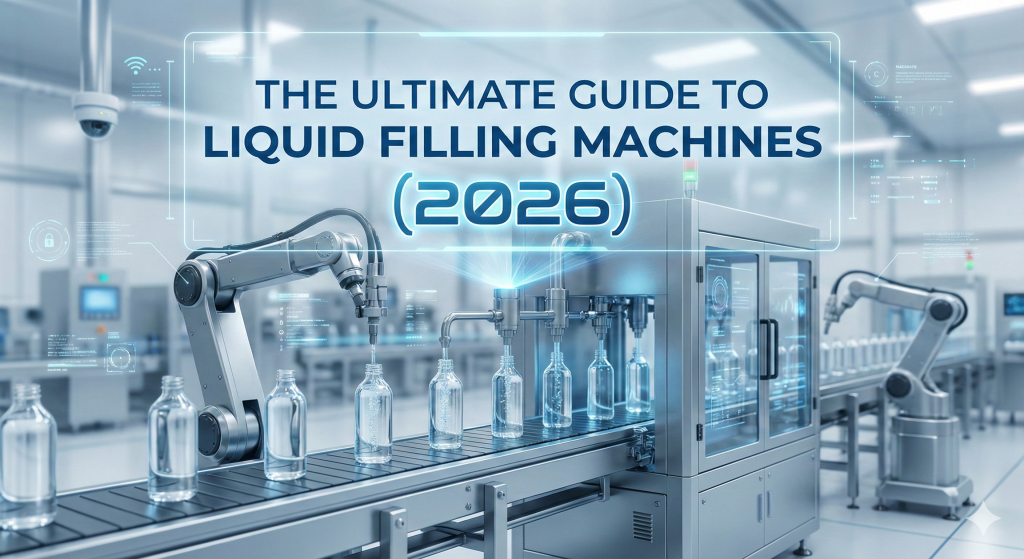
What is Liquid Filling Machine?
Definition
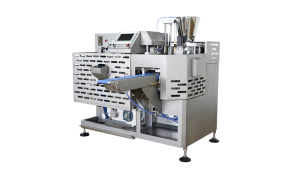
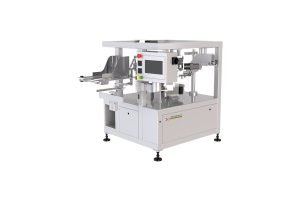
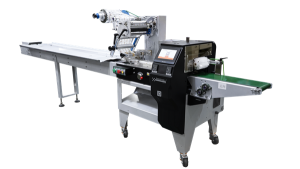
A Liquid Filling Machine functions much like a precision chef in an industrial kitchen, carefully measuring and dispensing exact amounts of liquid into containers with impeccable consistency. It’s a specialized piece of automated equipment designed to handle various liquid viscosities—from thin water-like substances to thick creams—ensuring accurate volumes and efficiency in bottling or pouch-filling production lines.
In various manufacturing sectors such as food & beverage, pharmaceuticals, chemicals, and cosmetics, the Liquid Filling Machine stands as a backbone of packaging operations. It guarantees precision dispensing, safety integration, and production speed that manual labor can’t match, making it an indispensable component in modern production processes.
Liquid Filling Machine Classifications
- By Form: Vertical & Horizontal Filling Machines – Vertical machines are ideal for free-flowing liquids in gravity-fed formats, while horizontal machines suit thick pastes or gel-like substances requiring pressure filling.
- Vertical Gravity Fillers – Best for water, juice, or oils.
- Positive Displacement Fillers – Good for honey, lotions, and pastes.
- Piston Fillers – Deliver consistent volume for viscous liquids.
- Overflow Fillers – Maintain uniform fill levels in transparent bottles.
- By Automation Level: Manual, Semi-Automatic, and Fully Automatic – Ranging from low-volume hand-operated units to intelligent systems with integrated sensors and PLC controls.
- Manual Peristaltic Fillers – Suitable for labs and small batches.
- Semi-Automatic Piston Fillers – Offer moderate speed and control.
- Fully Automatic Rotary Fillers – Engineered for high-speed industrial lines.
- Inline Servo Fillers – Flexible volume settings via digital control.
- By Material Compatibility – Designed to work with a range of packaging materials including plastics, aluminum, paper, and laminates.
- Plastic Bottle Filling Machines – Feature no-drip nozzles for PET/HDPE bottles.
- Pouch Filling Machines – Compatible with multilayer laminated films.
- Carton Liquid Fillers – Specialized for aseptic paper cartons.
- Blister Liquid Filling – For unit-dose pharmaceutical packaging.
- By Function Integration – Machines that combine filling with sealing, labeling, and quality inspection.
- Filling & Sealing Combo – Eliminates transfer steps, increasing hygiene.
- Filling & Capping Units – Used in beverage and personal care lines.
- Vision-Integrated Fillers – Include camera systems for fill level inspection.
- Labeling-Enabled Fillers – Automatically apply product labels post-filling.
Core Value and Functions
- Boosted Efficiency: Automated dosing and container handling dramatically reduce cycle time and increase throughput.
- Enhanced Quality Control: Integrated vision systems and sensors ensure consistent volumes and proper sealing.
- Cost Reduction: Reduces labor costs and raw material wastage with high-precision dosing.
- Operational Stability: Rigid construction and servo-mechanics allow 24/7 high-speed operation with minimal downtime.
- Improved Product Safety: Ensures contamination-free packaging in cleanroom settings, especially vital for pharmaceutical and food sectors.
Real-World Application Case: Pharmaceutical Packaging
A leading pharmaceutical company implemented a fully automatic piston-type Liquid Filling Machine with laminar flow hood in its sterile production area. The machine not only doubled the output rate for cough syrup but also helped maintain aseptic conditions, enabling it to pass stringent FDA inspections. Its servo-driven system and in-line monitoring reduced sealing errors by 90%, saving hundreds of thousands in recall and compliance risks.
Liquid Filling Machine Industry Development History: From Manual to Intelligent
Handcraft Era (Pre-1900s)
Before industrialization, Liquid Filling Machines didn’t exist as standalone equipment. Instead, liquids were filled manually using ladles, funnels, or simple gravity-fed jars. It was time-consuming and error-prone.
- Ceramic Jug Fillers – Manual effort, zero accuracy.
- Glass Bottle Filling by Hand – Prone to spills and inconsistencies.
Industry Pain Point Solved: Laid the foundation of specialized tools for improving accuracy in volume-based sales.
Mechanization Era (1900s–1950s)
With the Industrial Revolution and increased demand, the first mechanical fillers emerged using levers and pumps. These significantly shortened filling time per unit but still required human engagement.
- Gravity Fillers – Utilized elevated tanks with manual valves.
- Rotary Fillers – Introduced circular motion to handle higher volumes.
- Pneumatic Piston Fillers – Used air-powered pistons for consistent volume.
Key Innovation: Introduction of rotary systems allowed for faster batch processing in dairy and drink companies.
Automation Era (1960s–2000s)
Microprocessors, electric motors, and PLCs revolutionized the industry. High-speed lines with feedback systems enabled automatic container handling, fill level control, and integrated packaging.
- Inline Servo Fillers – Programmed digitally with volumetric precision.
- Filling-Capping Lines – Uninterrupted product flow.
- Multi-Lane Sachet Fillers – For food & personal care gels.
- Form-Fill-Seal Machines – Revolutionized flexible packaging.
Industry pain point solved: Solved scalability issues and minimized human error in fast-moving consumer goods.
Intelligent & Digitalization Era (2000s–Present)
Today’s Liquid Filling Machine development history illustrates the impact of Industry 4.0. Machines are increasingly integrated with AI, IoT, robotics, and vision inspection systems.
- Vision-Controlled Fillers – Auto-correct fill in real time.
- Robotic Arm-Assisted Fillers – For high precision dosing.
- RFID-Enabled Smart Fillers – Trace individual product fills.
- Self-Calibrating Fillers – Reduce downtime and human intervention.
Key Tech Drivers: Material science advances, servo-motor upgrades, AI sensors, cloud data integration for predictive maintenance.
Pain Point Solved: Real-time adaptability, traceability, and minimal wastage in high-variety production lines across pharmaceutical, nutraceutical, and luxury cosmetic industries.
Liquid Filling Machine Industry Applications: The Core Driver of Innovation
Food & Beverage Industry
- Common Types: Gravity Fillers, Rotary Piston Fillers, Aseptic Form-Fill-Seal Machines
- Product Forms: Juices, dairy, sauces, soups
- Hygiene compliance is critical; these machines feature CIP/SIP modules.
- Automatic volume control ensures consistent taste and reduced waste.
Case: A dairy group deployed servo-controlled rotary filling systems, increasing yogurt output by 40% while ensuring ISO 22000 compliance through real-time hygiene monitoring.
Pharmaceutical Industry
- Common Types: Peristaltic Fillers, Laminar Flow Fillers, Sterile Pouch Fillers
- Product Forms: Syrups, injectables, suspensions
- High accuracy and contamination control through HEPA-filtered environments.
- Integrated track-and-trace via barcodes and RFID enhances traceability.
Case: A vaccine plant automated its ampoule filling using robotic arms, increasing safety during hazardous handling and meeting global GMP standards.
Cosmetics & Personal Care
- Common Types: Piston Fillers, Hot Liquid Fillers, Anti-Corrosive Fillers
- Product Forms: Lotions, gels, shampoos
- Viscous products require heated pathways; containers vary in complexity.
- Seamless design enhances brand premium appearance via precise dosing.
Case: A luxury skincare brand implemented overflow fillers to maintain a uniform look in transparent bottles, reducing complaints by 75%.
Chemical Industry
- Common Types: Anti-Corrosive Fillers, Explosion-Proof Fillers
- Product Forms: Detergents, solvents, cleaning liquids
- Corrosive liquids require PTFE-lined piping and pneumatic control.
- Automatic quantity calibration meets hazardous substance standards.
Case: A detergent factory switched to a servo anti-corrosive filler, decreasing maintenance needs by 70% and improving dosage accuracy.
Healthcare & Nutraceuticals
- Common Types: Small-Dose Fillers, Tincture Bottle Fillers, Pipette Fillers
- Product Forms: Herbal drops, CBD oils, tinctures
- Supports compliance with FDA and GMP.
- Precise micro-dosing reduces loss of expensive actives.
Case: A nutraceutical startup adopted a compact inline filler fitted with magnetic flow meters, enabling batch size flexibility and compliance tracking via digital labeling.
E-commerce Packaging
- Common Types: Multi-format Fillers, Smart Pouch Fillers
- Product Forms: Refill pouches, sample packs, travel sizes
- Quick changeovers enable SKU variation.
- Modular designs minimize floor space and maximize fulfillment speed.
Case: An online beauty brand used a dual-track filler to produce both trial and standard sizes on the same line — cutting packaging cost per unit by 30%.
Liquid Filling Machine and Liquid Filling Machine Materials — What Is the Relationship?
Liquid Filling Machine and Liquid Filling Machine Materials — How Equipment Influences Material Selection
Machinery dictates which Liquid Filling Machine materials can be effectively processed. Elements like heat sealing, pressure application, stretch dynamics, and dosage accuracy must harmonize with the physical properties of materials. For instance, aluminum foil excels in high-barrier applications but demands heat tolerance beyond what most paper-based materials offer.
- High-Temperature Heat Sealers → Require materials like aluminum foil and laminated films resistant to 150°C and above.
- Pouch Fillers with High-Speed Nozzles → Work best with flexible PET laminated films to prevent rupture during rapid filling.
- Vacuum or Pressure Fillers → Need materials with tensile strength like multilayer plastic to avoid deformation.
- Vision Inspection Equipped Fillers → Require transparent materials (PET or PE) to facilitate optical scanning.
How Material Progress Drives Equipment Upgrades
As material science advances, Liquid Filling Machine innovation must follow suit. Eco-friendly packaging, biodegradable plastics, and high-barrier materials have pushed equipment manufacturers to rethink design and function, ensuring full compatibility and performance optimization.
- Temperature Control Systems: Enhanced PID loops accommodate delicate or biodegradable packaging materials, especially in food pouches.
- Stretching Mechanisms: Improved control allows safe handling of thinner, eco-pack films in cosmetic sampling units.
- Servo-Controlled Dispensing: Supports high-precision fill in uneven bio-containers used in pharmaceuticals.
- Vision Inspection Systems: Needed for identifying micro-defects in transparent eco-films used in personal care sachets.
Example: The food industry now uses compostable laminated films, prompting machinery upgrades with lower sealing temperatures and anti-stick coating fill nozzles. In pharma, high-barrier film adoption means adding nitrogen gas flushing in fill heads to prevent oxidation.
Equipment Types and Application Scenarios
The Most Frequently Inquired Liquid Filling Machine — How Many Do You Know?
Choosing the right Liquid Filling Machine is essential for manufacturers aiming to achieve accuracy, efficiency, and scalability in their production lines. From beverages and cosmetics to pharmaceuticals and chemicals, liquid filling technologies vary depending on product viscosity and environmental factors. Understanding the top types of machines and their typical application scenarios can significantly streamline the process of equipment selection.
Common types include piston fillers, ideal for thick liquids like creams; gravity fillers for thin, non-viscous liquids like juice; overflow fillers for aesthetic-filling needs in transparent containers; and peristaltic pump fillers for sterile environments often used in pharmaceutical lines. By identifying your specific application scenarios, such as product type, container shape, and production volume, the right equipment selection becomes more intuitive and cost-effective.
Automatic Liquid Filling Machine
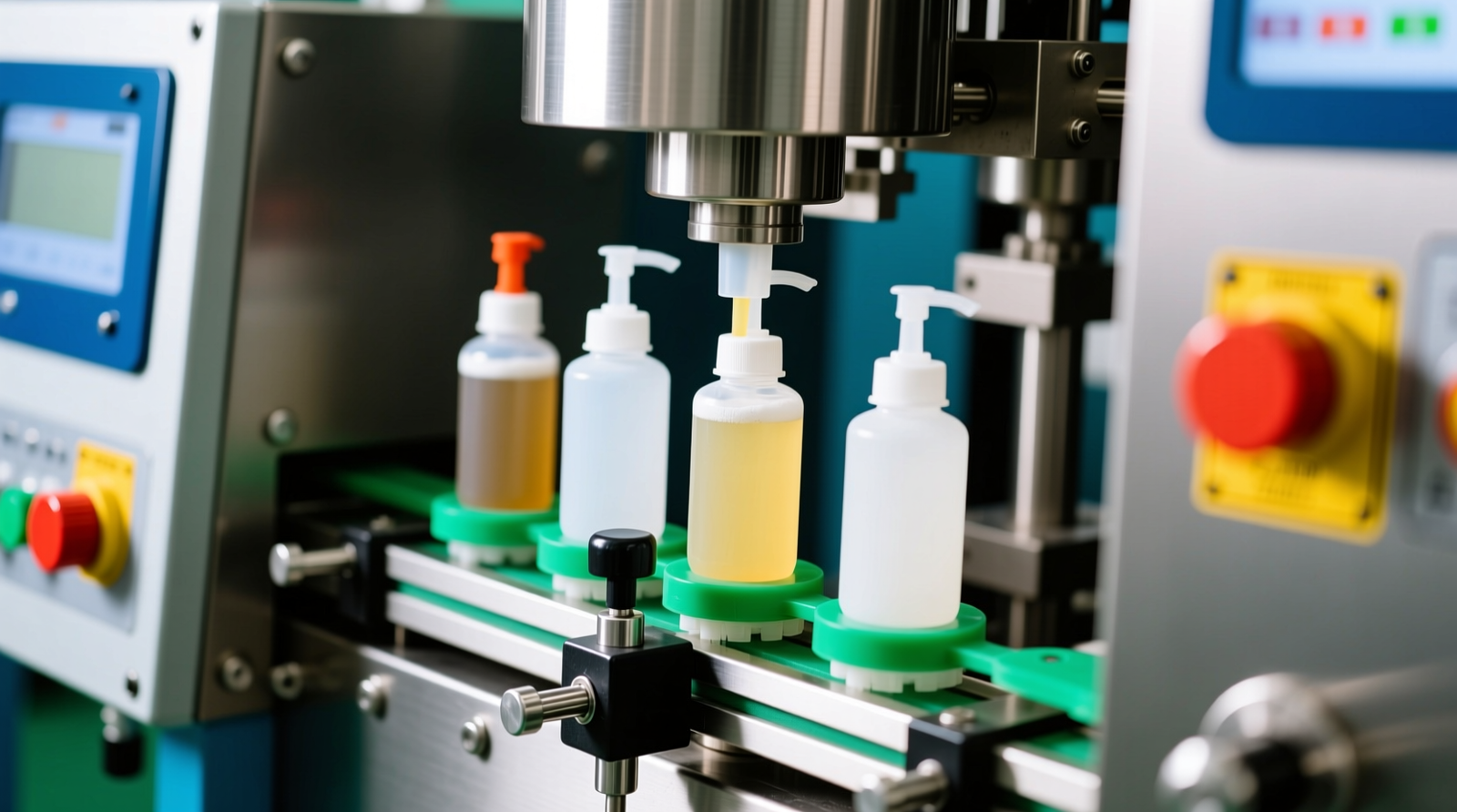
1. Definition of Automatic Liquid Filling Machine
An Automatic Liquid Filling Machine is an industrial-grade equipment designed to automatically fill containers such as bottles, jars, vials, and tubes with liquid products. These machines are commonly used in industries such as food and beverage, pharmaceuticals, cosmetics, chemicals, and more. They are engineered to deliver high-speed, accurate, and contamination-free filling of liquids, ranging from water and juices to oils, syrups, and viscous substances like gels and creams.
2. How Automatic Liquid Filling Machine Works
The working principle of an automatic liquid filling machine involves several automated processes integrated into a seamless workflow. The process typically includes:
- Container Feeding: Empty bottles or containers are automatically fed into the machine using a conveyor system or rotary table.
- Positioning: Containers are accurately positioned under the filling nozzles using sensor-guided placement mechanisms.
- Filling: The liquid product is dispensed into each container through nozzles using volumetric, gravity, piston, peristaltic, or vacuum-based filling technologies, depending on the machine type and liquid characteristics.
- Foam Control: Some machines use diving nozzles or anti-drip devices to prevent foam formation or spillage.
- Cap Feeding and Sealing: After filling, caps are automatically placed and screwed or sealed onto the containers.
- Discharge: Filled and sealed containers are moved to the next stage of packaging or labeling.
3. Main Features of Automatic Liquid Filling Machine
Automatic liquid filling machines are equipped with a range of advanced features that enhance efficiency and accuracy. Key features include:
- High-speed operation: Capable of filling hundreds to thousands of containers per hour.
- Programmable control system: Equipped with PLC and touchscreen HMI for easy operation and customization.
- Precision filling: High accuracy with minimal deviation, reducing product waste.
- Versatility: Adjustable for various bottle sizes and liquid types, from thin to highly viscous fluids.
- Stainless steel construction: Meets hygienic standards, especially for food and pharmaceutical industries.
- Safety mechanisms: Emergency stop buttons, safety guards, and error detection features ensure operator and product safety.
4. Application Scenarios of Automatic Liquid Filling Machine
Automatic liquid filling machines are used in a broad array of industries that require consistent, high-volume liquid packaging. Common applications include:
- Food and Beverage: Filling of sauces, juices, milk, oils, and liquid condiments into bottles or pouches.
- Pharmaceutical: Precision filling of syrups, disinfectants, IV fluids, and other liquid medications into sterile containers.
- Cosmetic and Personal Care: Filling of lotions, shampoos, perfumes, and creams into various types of bottles and tubes.
- Chemical Industry: Handling of cleaning agents, paints, solvents, and other industrial liquids.
- Agriculture: Filling pesticides, fertilizers, and liquid nutrients into safe, sealed containers.
5. Advantages of Using Automatic Liquid Filling Machine
Integrating automatic liquid filling machines into a production line offers numerous benefits that improve overall operational performance:
- Increased Efficiency: Automates repetitive manual tasks, significantly cutting down production time.
- Improved Accuracy: Delivers consistent fill volumes, ensuring product uniformity and reducing overfill or underfill issues.
- Cost Savings: Reduces labor costs and material wastage, leading to better ROI over time.
- Enhanced Compliance: Meets industry standards for hygiene and consistency, especially in regulated sectors like pharmaceuticals and food industries.
- Scalability: Suitable for both small-scale and mass production scenarios, with customizable settings and modular integration.
6. Use Cases and Reasons for Choosing Automatic Liquid Filling Machine
Automatic liquid filling machines are chosen by manufacturers worldwide for their ability to deliver reliable and scalable performance in varied applications. Typical use cases include:
- Startup Beverage Companies: Automate bottle filling to meet rising demand and improve shelf-ready packaging quality.
- Pharmaceutical Plants: Achieve sterile filling of sensitive drugs and ensure compliance with GMP regulations.
- Cosmetic Manufacturers: Handle multiple product viscosities while ensuring zero contamination and aesthetically perfect fills.
- Chemical Companies: Package hazard-prone or corrosive liquids in a safe, controlled manner with minimal human contact.
The primary reasons for choosing automatic liquid filling machines include the need for speed, precision, hygiene, safety, and automation to stay competitive in increasingly demanding markets. Whether for small production runs or large-scale industrial lines, these machines offer the flexibility and performance needed to drive productivity and customer satisfaction.
Semi-Automatic Liquid Filling Machine
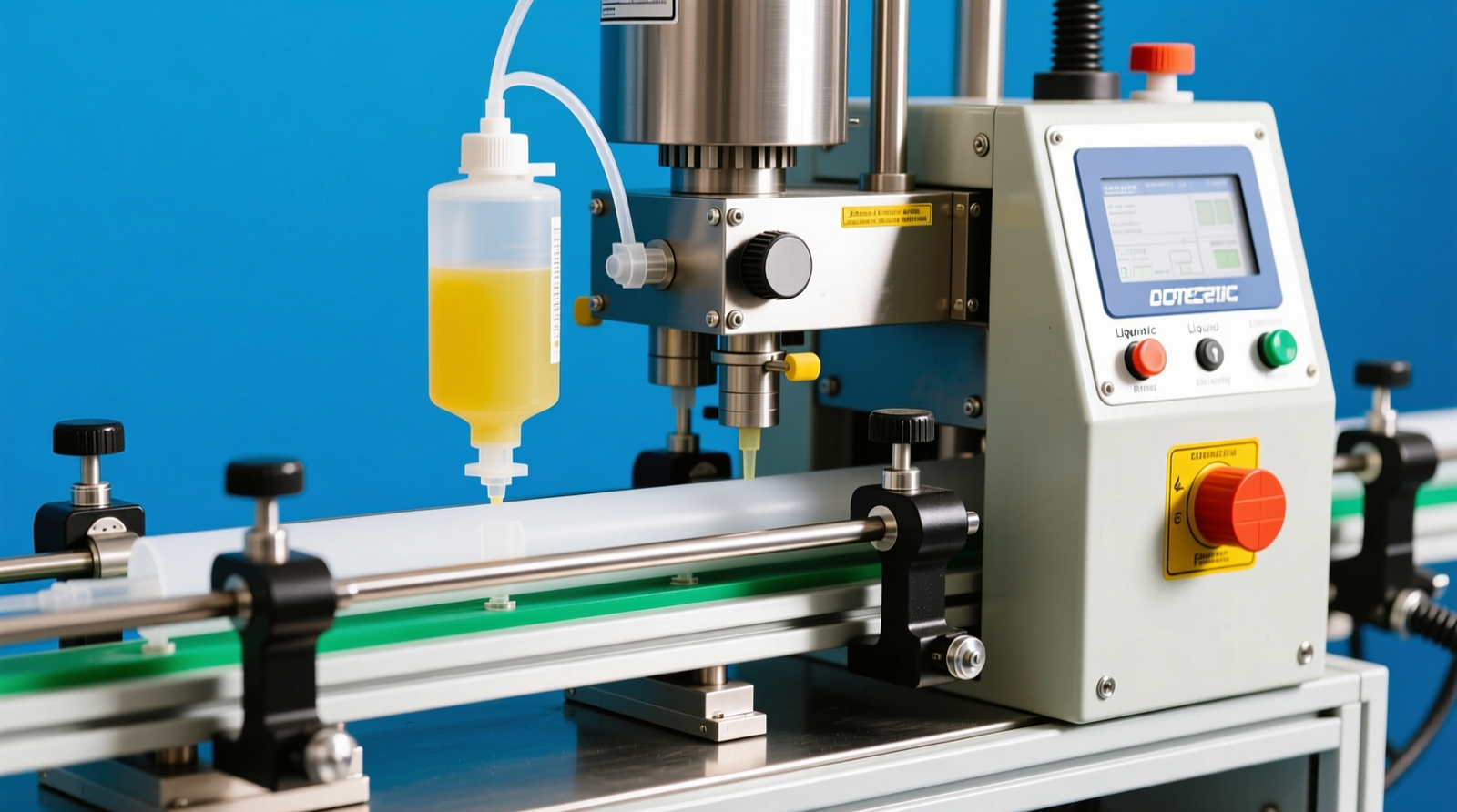
Definition of Semi-Automatic Liquid Filling Machine
A Semi-Automatic Liquid Filling Machine is a compact and efficient device used for filling liquid products into containers or bottles with minimal human intervention. Unlike fully automated systems, semi-automatic machines require manual assistance in some stages of the process, such as placing containers under the filling nozzles or transporting them after filling. These machines are ideal for small to medium-scale production environments where high precision, consistency, and speed are necessary but full automation is not yet viable due to budget or volume constraints.
How Semi-Automatic Liquid Filling Machine Works
The semi-automatic liquid filling machine typically consists of a filling nozzle, a liquid reservoir, a control system, and an actuation mechanism. The operator places the container beneath the filling nozzle and initiates the filling process via a foot pedal or touchscreen interface. The machine draws liquid from the reservoir using a piston, gear, peristaltic, or vacuum pump based on its specific design type. The liquid is then dispensed into the container with high precision. Volume control is often managed through time-based or volume-based settings, and anti-drip technology ensures clean filling without spillage.
Main Features of Semi-Automatic Liquid Filling Machine
- Precision Filling: High accuracy in volume dispensing, often within a margin of ±1% depending on the liquid type and viscosity.
- Adjustable Filling Volume: Easily adjustable to accommodate various container sizes and product volumes.
- Minimal Wastage: Equipped with anti-drip systems and precision nozzles to reduce spills and product loss.
- User-Friendly Operation: Simple interfaces with buttons, foot pedals, or digital touchscreens offer ease of use for operators.
- Compact Design: Space-saving profiles ideal for small and medium-sized production environments.
- Versatile Compatibility: Supports a wide range of liquid types including aqueous solutions, oils, syrups, and viscous products.
Application Scenarios of Semi-Automatic Liquid Filling Machine
Semi-automatic liquid filling machines are widely used across various industries where accurate liquid portioning is essential. Common application scenarios include:
- Pharmaceutical Industry: For filling medicines, syrups, and disinfectants.
- Cosmetics Industry: Used for filling lotions, creams, serums, and essential oils.
- Food and Beverage Industry: Ideal for sauces, juice concentrates, oils, and flavoring agents.
- Chemical Industry: Handles cleaning agents, solvents, and industrial liquids.
- Laboratory Settings: For dispensing reagents and other experimental liquids in controlled environments.
Advantages of Using Semi-Automatic Liquid Filling Machine
- Cost-Effective Solution: Lower investment compared to fully automatic systems, making it suitable for businesses scaling up production.
- Improved Filling Accuracy: Reduces human error and ensures consistent product output.
- Operational Flexibility: Can fill different container types and volumes with quick setup changes.
- Labor Efficiency: Requires limited manual interaction, freeing up workforce for other tasks.
- Durability and Reliability: Built with robust materials, ensuring long-term functionality and low maintenance.
Use Cases and Reasons for Choosing Semi-Automatic Liquid Filling Machine
Semi-automatic liquid filling machines are increasingly chosen for small to medium-batch production scenarios where accuracy, affordability, and flexibility are required. Notable use cases include:
- Startups and SMEs: Businesses looking to step up from manual filling methods without the capital burden of full automation.
- Batch Production: Suitable for businesses that produce in limited runs or have variable product types and sizes.
- Product Testing and R&D: Ideal for laboratories and pilot production setups where frequent changes to fill parameters are needed.
- Limited Space Environments: Compact design fits well in facilities with space constraints.
Choosing a semi-automatic liquid filling machine allows businesses to maintain control over operational processes, meet growing order demands with speed and accuracy, and transition smoothly toward automation as production scales up.
Piston Filling Machine
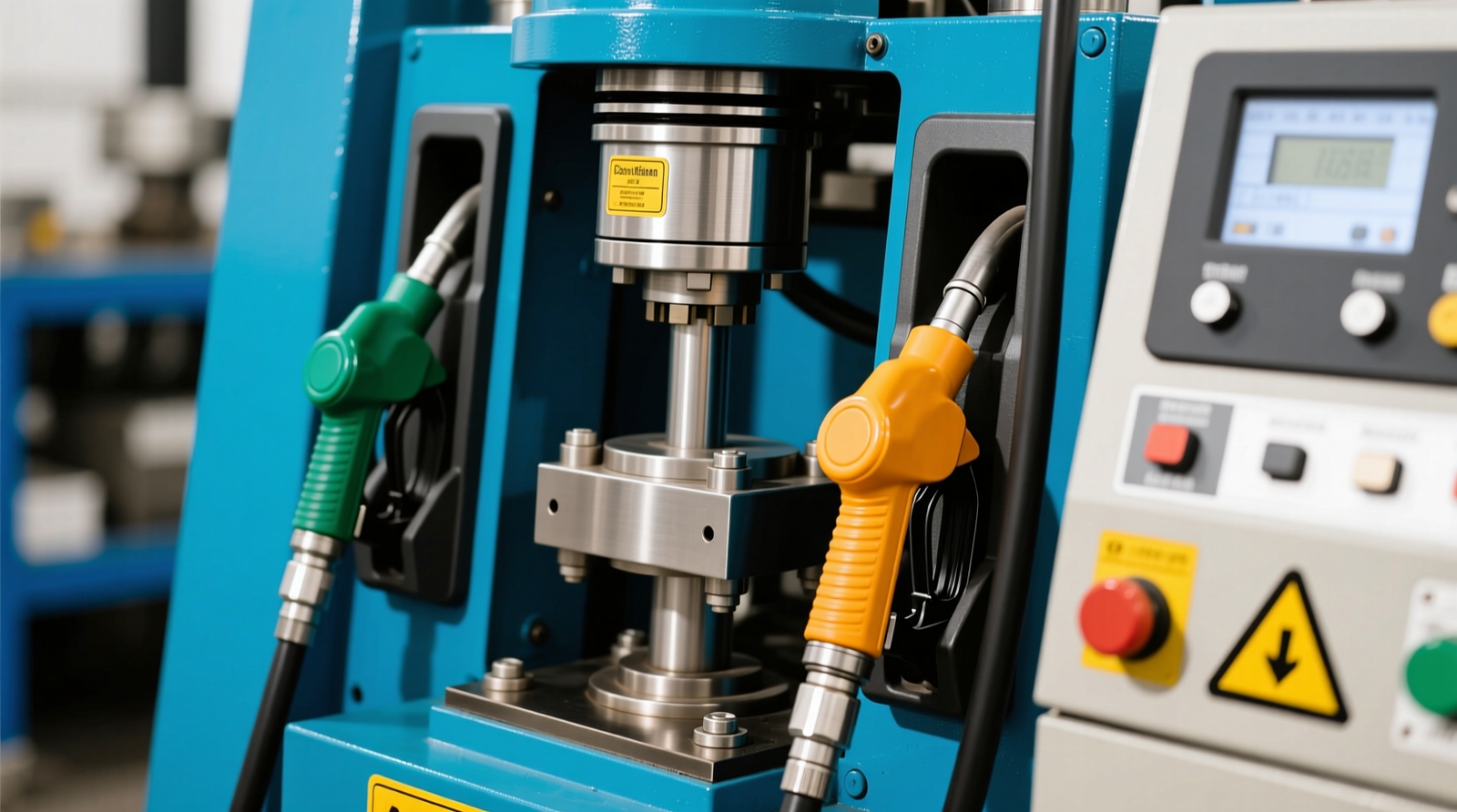
1. Definition of Piston Filling Machine
A piston filling machine is a type of volumetric filling equipment specifically designed to dispense precise quantities of liquid, semi-liquid, or paste products into a container using a piston-and-cylinder mechanism. These machines are commonly used in various industries such as food and beverage, pharmaceuticals, cosmetics, and chemicals for dosing products like sauces, gels, creams, oils, and other viscous or free-flowing liquids. The precision and reliability of piston fillers make them ideal for environments where consistent product quantity and product integrity are critical.
2. How Piston Filling Machine Works
The operation of a piston filling machine is based on a simple yet highly accurate volumetric principle. The machine consists of a piston that moves within a cylinder. During the intake stroke, the piston retracts, drawing the product from a hopper or supply tank into the cylinder through a one-way valve. In the discharge stroke, the piston pushes forward, forcing the product out of the cylinder through another valve into the target container. The volume filled is controlled by adjusting the stroke length of the piston, enabling high accuracy and repeatability across multiple fills.
3. Main Features of Piston Filling Machine
- Volumetric Accuracy: Ensures consistent fill volumes with minimal variation.
- Versatile Product Handling: Capable of handling a wide range of viscosities from thin liquids to thick pastes.
- Adjustable Stroke Settings: Allows easy customization of fill volumes for different container sizes.
- Hygienic Design: Often designed with sanitary-grade materials such as stainless steel for food and pharmaceutical applications.
- Ease of Cleaning: Many piston fillers are designed for easy disassembly, cleaning, and maintenance.
- Manual to Fully Automatic Options: Available in a range of automation levels to accommodate different production capacities.
4. Application Scenarios of Piston Filling Machine
Piston filling machines are widely used in industries that require precise and repeatable filling of products with varying viscosities. Common scenarios include:
- Food Industry: Filling sauces, syrups, jams, dressings, and cream-based products.
- Cosmetics and Personal Care: Filling lotions, shampoos, gels, and other viscous products.
- Pharmaceuticals: Filling medicinal creams, ointments, and liquid drugs in measured doses.
- Chemical Industry: Filling lubricants, cleaning agents, and chemical solutions requiring high accuracy.
5. Advantages of Using Piston Filling Machine
- High Filling Accuracy: Critical for cost control and compliance with industry regulations.
- Flexibility: Suitable for a wide range of product types and viscosity levels.
- Cost-Effective: Reduces product waste and overfill, enhancing overall profitability.
- Durability: Built for long-term industrial use with minimal downtime.
- Customizable: Fill volumes and speed can be adjusted to meet production needs.
6. Use Cases and Reasons for Choosing Piston Filling Machine
Businesses choose piston filling machines when precision, adaptability, and product integrity are top priorities. Use cases include:
- Craft Food Manufacturers: Ideal for small to mid-size operations filling jars of sauces, honey, or condiments with high viscosity and manual or semi-automatic lines.
- Cosmetic Brands: Useful for clean and consistent filling of creams and gels into tubes and bottles, maintaining consistent presentation and minimizing product waste.
- Pharmaceutical Companies: Selected for the reliable and hygienic filling of therapeutic creams and liquids in exact dosages required by regulatory standards.
- Contract Packaging Firms: Useful for supporting diverse client needs with high accuracy across different products and container types.
The primary reasons for choosing a piston filling machine include high volumetric accuracy, versatility across product types, ease of setup and cleaning, and ability to scale from manual to fully automated production lines.
Peristaltic Pump Filling Machine
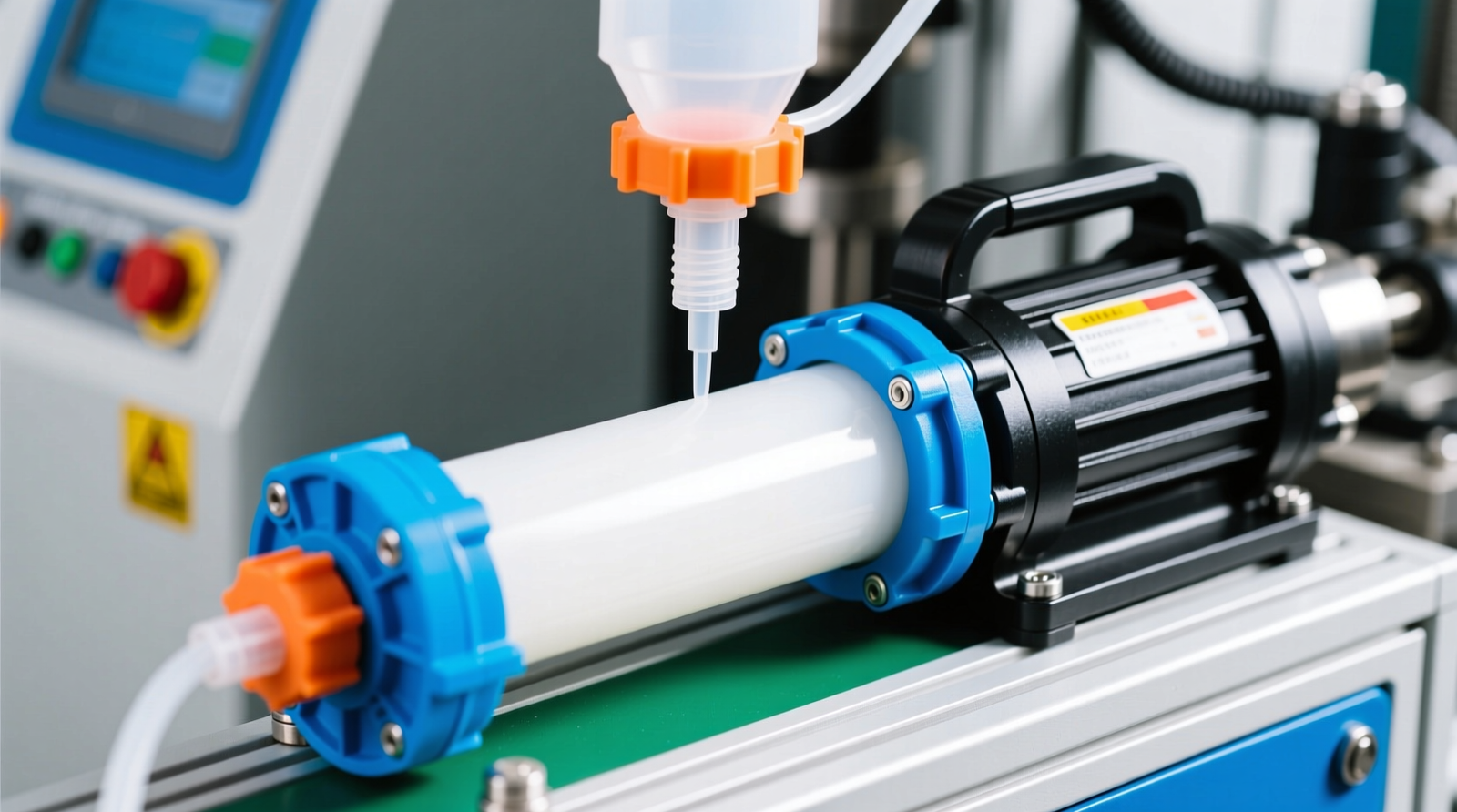
1. Definition of Peristaltic Pump Filling Machine
A Peristaltic Pump Filling Machine is a specialized liquid dispensing system that uses the principle of peristalsis to transfer and fill fluids. This type of machine employs a flexible tube and rotating rollers to create a vacuum that draws the liquid through the tube and dispenses it accurately into containers. The absence of direct fluid contact with the pump’s inner mechanisms makes it ideal for clean and sterile liquid filling operations, particularly in pharmaceutical, biotechnology, cosmetic, and food industries.
2. How Peristaltic Pump Filling Machine Works
The working mechanism of a peristaltic pump filling machine is based on a peristaltic motion, which simulates the way muscles move materials through the human digestive system. The machine consists of a rotating rotor fitted with rollers that compress a flexible tube. As the rotor turns, the rollers pinch the tube, forcing the liquid forward. When the roller releases, the tube returns to its original shape, creating a vacuum to draw more fluid from the source. This continuous process ensures precise, pulse-free, and contamination-free fluid transfer and dispensing.
3. Main Features of Peristaltic Pump Filling Machine
- Non-Contact Liquid Handling: Liquids flow only through the disposable tubing, avoiding contamination and simplifying cleanup.
- High Precision: The system offers highly accurate and repeatable filling volumes, especially important for sensitive applications.
- Programmable Controls: Many models come with touchscreen interfaces, memory for recipes, and digital calibration for efficient operation.
- Flexible Tubing Options: Compatible with various tubing sizes and materials to suit different chemical and fluid properties.
- Multi-Channel Operation: Some units feature multiple filling heads to increase throughput and productivity.
- Compact and Modular Design: Space-saving configurations and modular components make it easy to integrate into automated production lines.
4. Application Scenarios of Peristaltic Pump Filling Machine
Peristaltic pump filling machines are widely used across a diverse range of industries that demand high sanitation and precise volume filling. In the pharmaceutical industry, they are ideal for filling vaccines, eye drops, and injectables. In biotechnology labs, these systems are used for reagent and buffer dispensing. Cosmetic manufacturers utilize them to fill lotions, serums, and essential oils. The food and beverage sector also employs these machines for flavorings, enzymes, and colorants in small batch processing where hygiene and dosage accuracy are critical.
5. Advantages of Using Peristaltic Pump Filling Machine
- Hygienic Fluid Transfer: Fluids never come into contact with the pump components, making it ideal for sterile and corrosive applications.
- Easy Maintenance: With only the tubing needing replacement, these machines are low-maintenance with minimal downtime.
- No Cross-Contamination: Using separate tubing for different liquids eliminates any chance of cross-contamination.
- Versatile Liquid Compatibility: Can handle a wide range of viscosities, from watery solutions to viscous gels.
- Efficient Calibration: User-friendly digital interfaces enable quick and precise adjustments for varying fill volumes.
- Minimal Waste: High precision reduces product loss during filling operations.
6. Use Cases and Reasons for Choosing Peristaltic Pump Filling Machine
Peristaltic pump filling machines are selected for operations where precision, purity, and cleanability are essential. In pharmaceutical production, these machines are used for aseptic filling of injectables due to their contamination-free operation. Laboratories choose them for reagent dispensing because of the small volume control and repeatability. Cosmetic companies prefer them for essential oils and serums, where product integrity and volume control determine product quality. In food manufacturing, they’re useful for flavor dosage dispensing in small batches. The main reasons for choosing these machines include their accuracy, ease of calibration, scalability, and complete separation of pump mechanism from the product path, ensuring optimal hygiene and safety.
Volumetric Liquid Filling Machine
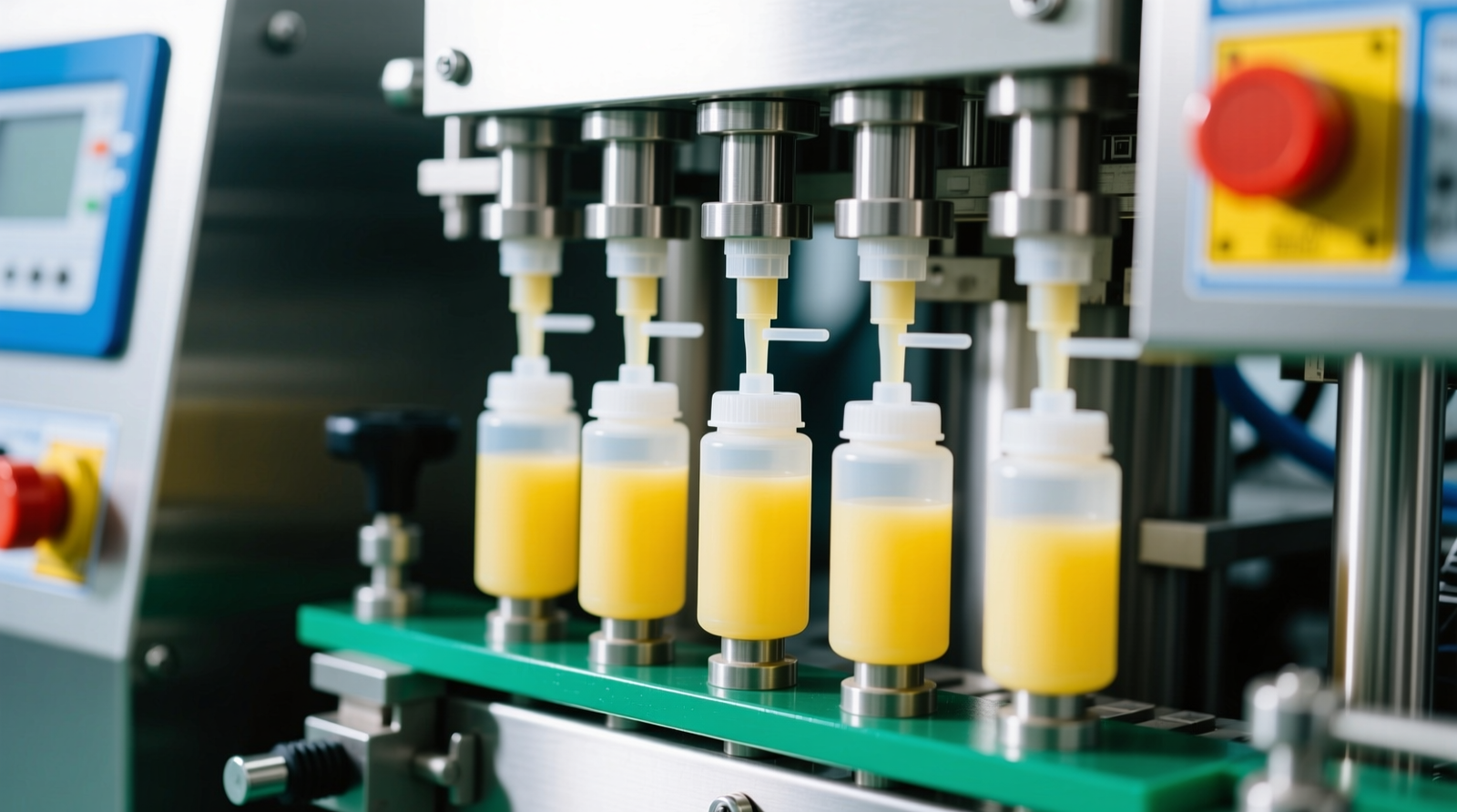
Definition of Volumetric Liquid Filling Machine
A volumetric liquid filling machine is an automated or semi-automated filling system designed to dispense a pre-determined volume of liquid into bottles, containers, jars, or vials. It operates based on the principle of volume displacement, ensuring consistent and accurate fills for each container. This type of machine is widely used in industries where precision and efficiency are critical, such as pharmaceuticals, cosmetics, food and beverage, and chemicals. The machine calculates volume by controlling the time and pressure of liquid flow, often utilizing pistons, syringes, or flow meters for measurement.
How Volumetric Liquid Filling Machine Works
The working principle of a volumetric liquid filling machine is based on controlling and measuring the volume of liquid dispensed per cycle. The process typically involves a piston or a servo-driven pump that draws liquid from a holding tank and dispenses it into the target container. The volumetric mechanism ensures that each stroke delivers a fixed and repeatable volume of liquid. The operator can adjust settings to accommodate different volumes depending on the product requirements. Advanced models may use positive displacement pumps or mass flow meters for higher accuracy, especially when dealing with varying viscosities or foamy liquids.
Main Features of Volumetric Liquid Filling Machine
- Precision Filling: Delivers consistent volumes with high accuracy aiding in reducing waste and rework.
- Adjustable Volume Settings: Operators can easily change the volume to adapt to different container sizes and product types.
- Versatile Nozzles: Equipped with interchangeable nozzles to handle a variety of liquid types, including viscous, foamy, or particulate-containing fluids.
- Stainless Steel Construction: Built with food and pharmaceutical-grade stainless steel to meet hygiene and safety standards.
- Automation Friendly: Can be integrated into automated production lines with conveyors and capping systems.
- User Interface: Comes with an intuitive digital touchscreen interface for ease of operation and process control.
Application Scenarios of Volumetric Liquid Filling Machine
Volumetric liquid filling machines are suited for a wide range of applications across various industries:
- Pharmaceuticals: For accurate filling of syrups, suspensions, antiseptics, and other medicinal liquids, ensuring dosage consistency.
- Cosmetics and Personal Care: Ideal for filling lotions, creams, shampoos, and essential oils where appearance and consistency matter.
- Food and Beverage: Used for bottling sauces, dressings, juices, milk, oils, and other consumables that demand hygienic filling.
- Chemical and Industrial: Fills cleaning agents, lubricants, and specialty chemicals with varying viscosities and safety requirements.
Advantages of Using Volumetric Liquid Filling Machine
- High Accuracy and Consistency: Guarantees precise fill volumes, minimizing product loss and enhancing quality control.
- Scalability: Suitable for both small-batch operations and high-volume production by adjusting fill heads and cycle times.
- Reduced Labor Costs: Automates the filling process, reducing the need for manual labor and boosting operational efficiency.
- Minimal Waste: Pre-set volumes ensure that overflows and spillage are significantly minimized.
- Improved Hygiene and Safety: Especially critical in food, cosmetic, and pharmaceutical applications to comply with regulatory standards.
Use Cases of Volumetric Liquid Filling Machine and Reasons for Choosing It
Numerous industries have adopted volumetric liquid filling machines due to their reliability and versatility. For instance:
- A pharmaceutical company uses the machine to dispense exact amounts of cough syrup into sealed bottles to comply with medical dosing regulations.
- A cosmetics manufacturer fills glass bottles with high-viscosity serums and lotions, where uniformity in fill level is crucial to brand image.
- A food processing plant bottles organic juices and liquid condiments at high speeds while maintaining product integrity and minimizing contamination risks.
Businesses choose volumetric liquid filling machines because they provide operational control, flexibility for different container sizes, and the ability to handle various viscosities while ensuring high throughput and precision. Their adaptability makes them a smart investment for producers aiming to enhance productivity without compromising quality.
Gravity Filling Machine
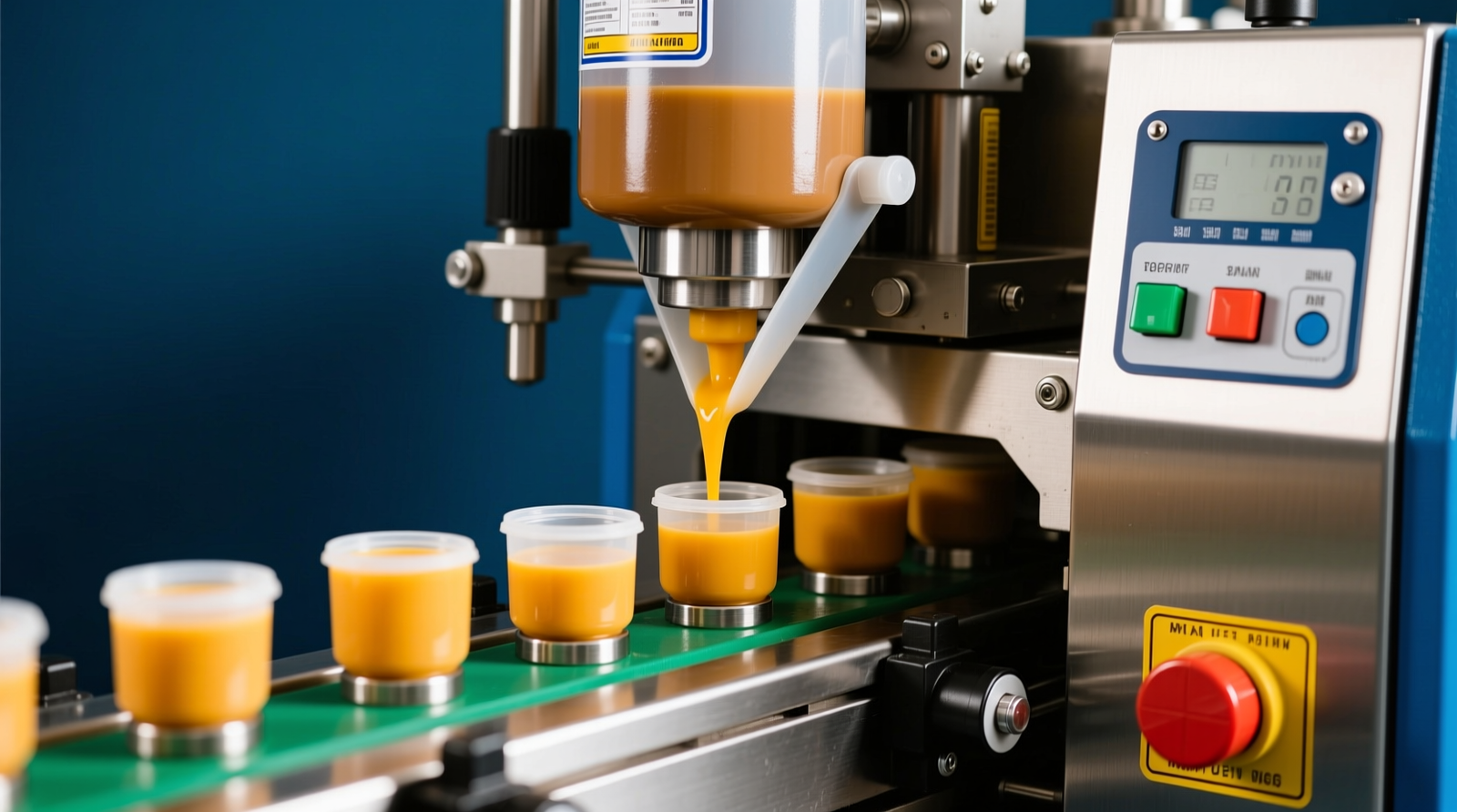
Definition of Gravity Filling Machine
A gravity filling machine is an automatic or semi-automatic liquid filling system designed to utilize the force of gravity to transfer liquid products into containers. This type of machine operates by holding the liquid in an elevated supply tank and allowing it to flow down into bottles or other receptacles positioned below. Gravity fillers are ideal for thin, non-viscous liquids such as water, juice, wine, ink, and cleansing solutions. They are commonly used in industries where accurate, gentle product handling is essential without the need for pressurized systems or pumps.
How Gravity Filling Machine Works
The gravity filling process begins by placing containers underneath the filling nozzles aligned directly under the supply tank. Once the container is properly positioned, valves open to allow liquid to flow downward by the force of gravity. The machine may use timing mechanisms, float valves, or level-sensing technologies to control the volume of liquid dispensed into each container. In automated systems, the bottle enters, gets filled, and then exits via a conveyor belt, ensuring continuous and efficient operation. The simplicity of this mechanism minimizes mechanical complexity and reduces the risk of damage to delicate products.
Main Features of Gravity Filling Machine
- Non-pressurized Filling System: Utilizes gravity flow, making it perfect for gentle and accurate filling.
- Multiple Nozzles: Can be configured with 2 to 12 or more filling heads to enhance production efficiency.
- Adjustable Fill Volume: Manual or digital adjustments allow for flexibility in filling different container sizes.
- Stainless Steel Construction: Corrosion-resistant materials ensure hygiene, especially vital in food and beverage applications.
- Tool-less Changes: Designed for easy cleaning and straightforward changeovers between different products or container sizes.
- Automation Options: Available in both manual/semi-automatic and fully automated configurations to suit production volume needs.
Application Scenarios of Gravity Filling Machine
Gravity filling machines are widely used across various industries due to their effectiveness in handling low-viscosity liquids. Common application scenarios include:
- Food and Beverage Industry: Bottling of water, wine, sauces, vinegar, juice, and cooking oil.
- Cosmetics and Personal Care: Filling thin lotions, toners, astringents, and other non-viscous cosmetic liquids.
- Chemical Industry: Dispensing detergents, cleaning solutions, and solvents that are relatively thin and easy to flow.
- Pharmaceuticals: Filling of non-viscous medicinal liquids or herbal extracts under carefully controlled conditions.
Advantages of Using Gravity Filling Machine
- Cost-Effective: Simple construction and operation make it an economical choice for small to medium production lines.
- High Accuracy: Gravity-fed design ensures consistent fill levels with minimal operator intervention.
- Minimal Foaming: Gentle filling is suitable for foamy liquids, particularly beverages and detergents.
- Low Maintenance: Fewer moving parts reduce machine wear and overall maintenance requirements.
- User-Friendly Operation: Easy to set up, operate, and clean, making it accessible even to non-technical staff.
- Environmentally Friendly: No need for compressed air or power-intensive pumping systems, reducing energy consumption.
Use Cases and Reasons for Choosing Gravity Filling Machine
Gravity filling machines are especially suitable for manufacturers prioritizing accuracy, low production costs, and operation simplicity. Some typical use cases include:
- Small Craft Beverage Producers: Perfect for limited runs of wine, juice, or kombucha where gentle handling is important.
- Sanitizer and Cleaning Product Production: Used to fill liquid chemicals that require precise dosages without foaming.
- Pharmaceutical Startups: Ideal for herbal tonics and medicinal preparations where contamination or overfilling must be avoided.
- Automotive Fluids: Efficiently bottles non-viscous automotive liquids like windshield washer fluid.
These machines are chosen primarily for their low cost of ownership, accuracy, and versatility in handling different bottle sizes and product types. They offer a simplified yet robust solution for companies looking to balance productivity with budget constraints.
Overflow Filling Machine
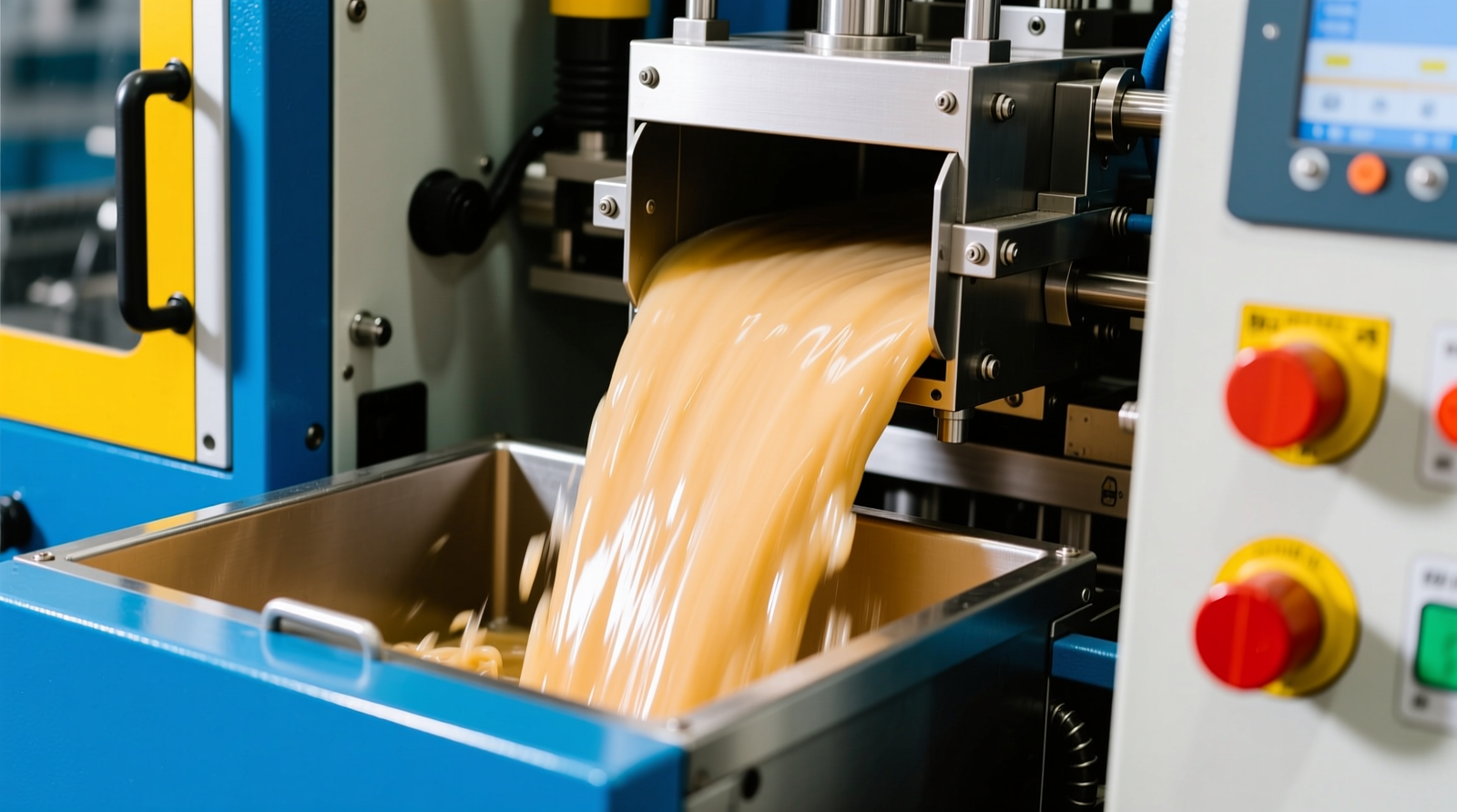
Definition of Overflow Filling Machine
An Overflow Filling Machine is a type of liquid filling equipment specifically designed to fill containers to a consistent visual level, regardless of minor variations in the internal volume of the containers. It operates on the principle of overflow filling, which ensures that each bottle appears to be filled to the same level, providing visual uniformity. This type of machine is widely used in industries where product aesthetics and consistency are critical, especially for clear containers where fill level can influence consumer perception.
How Overflow Filling Machine Works
The operation of an Overflow Filling Machine involves a straightforward yet highly effective process. During operation, bottles are conveyed into the machine by an automated system and aligned beneath a set of fill nozzles. These nozzles are inserted into the containers, and as the liquid is pumped, it begins to fill the bottle. Once the liquid reaches a specified level, it overflows through a return path back into the supply tank. The excess fluid is recovered and reused, making the process highly efficient. The result is a uniform fill level in every bottle, regardless of internal volume discrepancies among containers.
Main Features of Overflow Filling Machine
- Consistent Fill Levels: Ensures every bottle is visually identical in fill height, ideal for transparent containers.
- Adjustable Fill Nozzles: Accommodates a wide range of bottle shapes and sizes with customizable nozzle settings.
- Recirculation System: Recycles overflowed product, reducing waste and improving cost efficiency.
- Stainless Steel Construction: Built with sanitary-grade materials suitable for food, cosmetic, and pharmaceutical products.
- Automated Operation: Integrates easily with automated production lines including conveyor systems and capping machines.
- Quick Changeover Design: Allows for easy cleaning and change between different products or container types.
Application Scenarios of Overflow Filling Machine
Overflow Filling Machines are suitable for a wide range of industries that require aesthetically consistent liquid packaging. Common application scenarios include:
- Food and Beverage Industry: Filling sauces, dressings, syrups, and bottled waters where appearance is crucial.
- Cosmetics and Personal Care: Ideal for shampoo, lotion, and liquid soap in transparent containers.
- Chemical Industry: Used for non-foaming household cleaners and other decorative cleaning products.
- Pharmaceutical Industry: Employed for products requiring precise visual presentation in clear containers such as mouthwash.
Advantages of Using Overflow Filling Machine
- Visual Consistency: Provides a professional and uniform look across all products, enhancing shelf appeal.
- Product Recovery: Recirculates excess product back to the tank, reducing waste and lowering production costs.
- Ease of Cleaning and Maintenance: Designed for easy disassembly and cleaning, supporting GMP compliance.
- Wide Compatibility: Can be adapted to handle a variety of container shapes and liquid viscosities.
- Improved Production Efficiency: High-speed automation increases throughput and minimizes manual labor.
Use Cases and Reasons for Choosing Overflow Filling Machine
Overflow Filling Machines are preferred in multiple use cases that require consistent fill levels, particularly when branding and product presentation are key factors.
- Beverage Bottling Plants: Selected for bottled water and flavored drinks to ensure consistent presentation in clear PET or glass bottles.
- Cosmetic Manufacturers: Chosen for lotions and gels in premium packaging to meet market expectations for aesthetics.
- Artisan Food Producers: Used for specialty syrups, oils, and sauces in decorative bottles to enhance product appeal.
- Chemical Packaging Facilities: Applied for household cleaning agents to provide a high-end, uniform look in transparent bottles.
The primary reasons for selecting this machine type include its ability to deliver precise overflow control, reduce product waste, enhance visual uniformity, and integrate seamlessly into automated packaging lines.
Vacuum Filling Machine
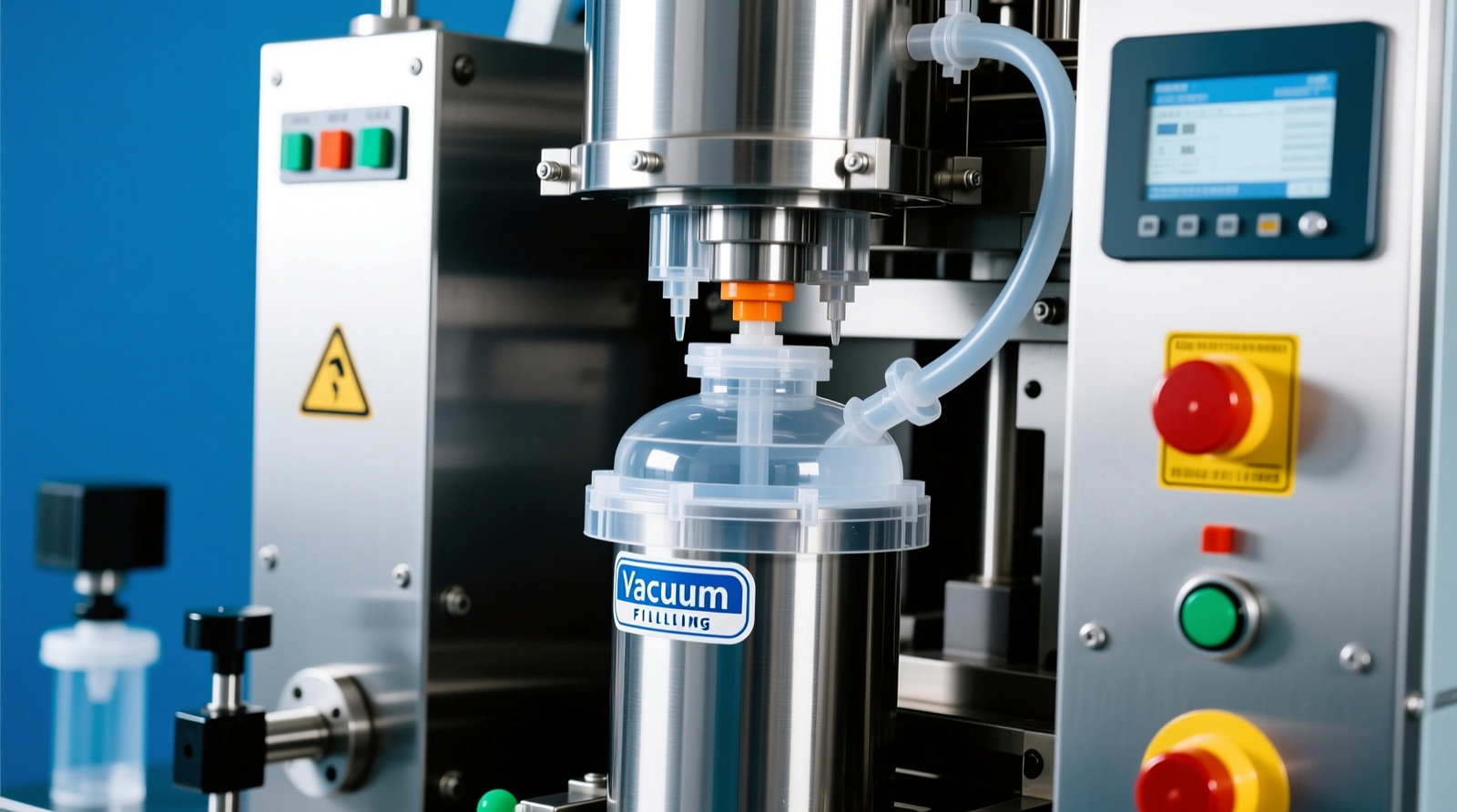
Definition of Vacuum Filling Machine
A vacuum filling machine is a type of liquid filling equipment designed to fill containers by utilizing vacuum pressure. It is commonly used in industries where precision, cleanliness, and product integrity are essential. The machine employs a vacuum head to create a low-pressure environment inside the container, allowing liquid to flow from the reservoir into the bottle or jar until the vacuum is released. This method ensures consistent fill volumes and minimizes product oxidation or contamination, making the vacuum filling machine ideal for sensitive or viscous liquids.
How Vacuum Filling Machine Works
The operation of a vacuum filling machine is based on pressure differential. First, an empty container is positioned under the filling nozzle or head. The machine creates a vacuum in the container, reducing its internal pressure. The liquid, held in a supply tank at atmospheric pressure or under slight pressure, begins to flow into the container due to the pressure difference. Once the desired fill level is reached or the vacuum breaks, the flow of liquid stops automatically. This process ensures that the filling is accurate, drip-free, and highly efficient. Some machines include adjustable fill levels and multiple nozzles for high throughput.
Main Features of Vacuum Filling Machine
- Vacuum-Based Filling: Utilizes vacuum pressure for precise and hygienic dispensing.
- Adjustable Fill Levels: Allows for setting different liquid levels in containers to meet specific requirements.
- Minimal Foaming: Ideal for products prone to foaming, such as soaps or cleaning agents.
- Multi-Head Nozzles: Enables simultaneous filling of multiple containers, increasing efficiency.
- Stainless Steel Construction: Ensures durability, hygiene, and resistance to corrosion.
- Container Versatility: Compatible with various bottle shapes and sizes made from glass, plastic, or metal.
- Automation Integration: Easily integrates with conveyor belts, capping machines, and labeling systems for a complete packaging line.
Application Scenarios of Vacuum Filling Machine
Vacuum filling machines are widely used across multiple industries due to their precise and contamination-free operation. Common application scenarios include:
- Food and Beverage Industry: Used for filling sauces, oils, wines, syrups, and vinegars while preserving freshness and flavor.
- Cosmetic Industry: Ideal for filling lotions, creams, shampoos, and essential oils, ensuring product integrity and uniform quantity.
- Pharmaceutical Industry: Ensures sterile and accurate filling of syrups, liquid medicines, and tinctures.
- Chemical Industry: Used for filling corrosive or sensitive chemical solutions with minimum exposure to air.
- Household Products: Suitable for soaps, detergents, and cleaners that require non-foaming, clean fills.
Advantages of Using Vacuum Filling Machine
- High Accuracy: Provides consistent liquid volume in each container with minimal variation.
- Reduced Product Waste: Accurate dispensing minimizes overfilling and product loss.
- Improved Product Shelf Life: By minimizing air exposure, the vacuum fill process helps extend the product’s shelf stability.
- Enhanced Cleanliness: Vacuum filling reduces spillage and contamination, maintaining hygienic standards.
- Energy Efficiency: Operates with low energy consumption compared to some pressurized filling systems.
- User-Friendly Design: Simple to operate and maintain, with intuitive controls and minimal downtime.
Use Cases of Vacuum Filling Machine and Reasons for Choosing It
Vacuum filling machines are an excellent choice for manufacturers who prioritize precision, hygiene, and efficiency.
- Wine and Spirits Filling: Preserves aroma and quality by limiting oxygen contact during bottling.
- Luxury Cosmetic Packaging: Ensures precise filling of high-value creams and serums in attractive containers without affecting product texture or integrity.
- Artisan Food Producers: Ideal for accurately bottling gourmet oils, syrups, or sauces where presentation and portion control are critical.
- Pharmaceutical Labs: Suitable for small-batch sterile liquid filling where contamination control is vital.
Companies choose vacuum filling machines to enhance product quality, reduce operational waste, and meet stringent industry regulatory standards. Their adaptability across various viscosities and container types also provides a versatile and future-proof solution for modern production lines.
Rotary Liquid Filling Machine
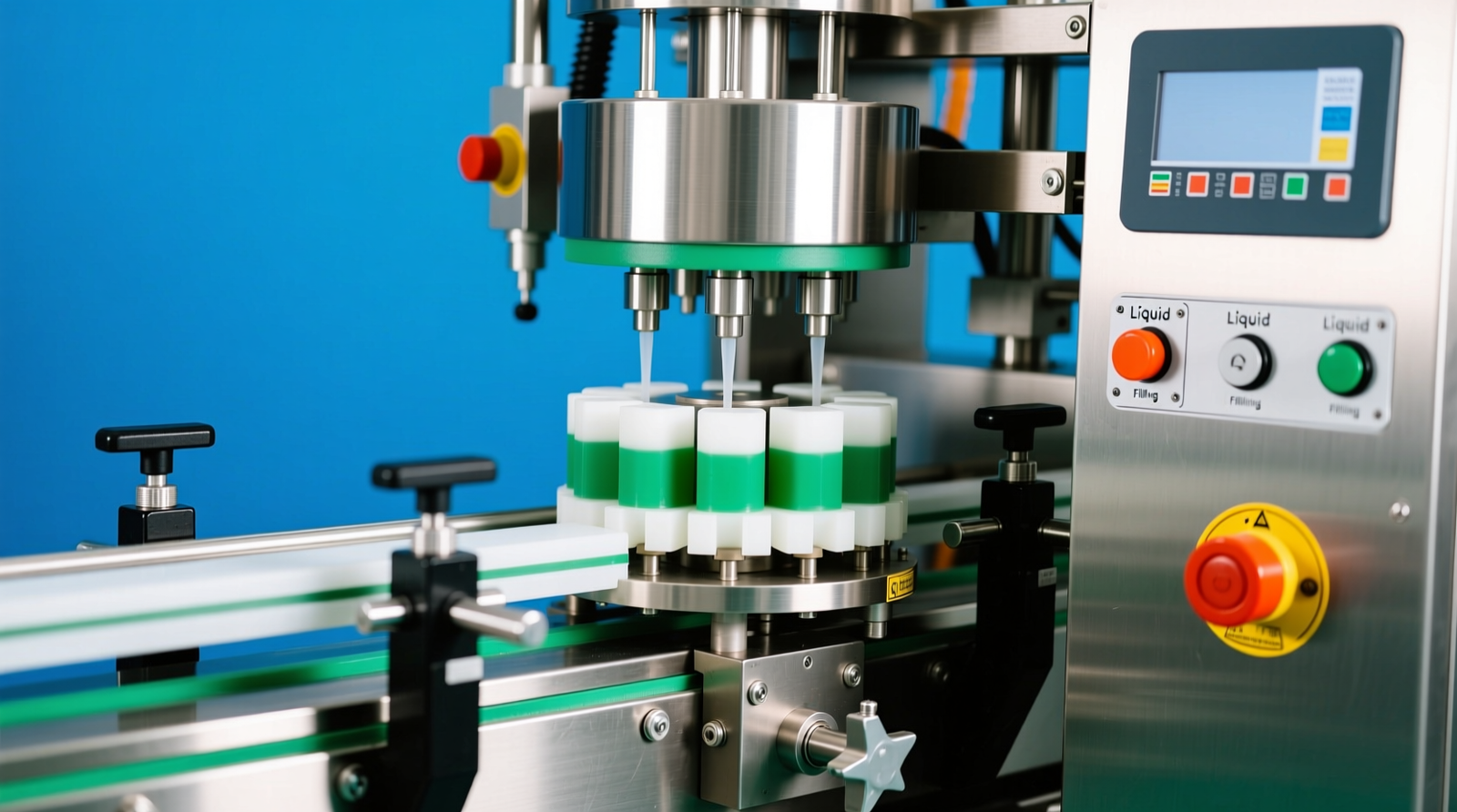
Definition of Rotary Liquid Filling Machine
A Rotary Liquid Filling Machine is an automated equipment specifically designed for high-speed filling of liquid products into containers in a continuous, rotary motion. It is commonly used in industries such as food and beverage, pharmaceuticals, cosmetics, and chemicals. The machine features a rotating platform where containers are placed and filled in a circular arrangement, enabling rapid and accurate liquid filling. Unlike linear filling machines, rotary models are optimized for large-scale production due to their ability to handle multiple containers simultaneously.
How Rotary Liquid Filling Machine Works
The operation of a rotary liquid filling machine involves a sequence of automated steps to ensure high-speed and precise filling:
- Container Feeding: Empty containers are fed onto a rotating carousel or table.
- Positioning: The containers are correctly aligned with filling nozzles as they rotate along the machine’s filling stations.
- Filling Process: Depending on the product and machine configuration, the system uses volumetric, gravity, or pressure-based filling mechanisms to dispense the liquid into containers.
- Nozzle Movement: Some machines feature diving nozzles to prevent splashing or foaming, especially for foamy or viscous liquids.
- Exit Conveyance: Once filled, the containers exit the carousel onto the next stage of the production line, such as capping or labeling.
This process is continuous, efficient, and scalable, making rotary fillers ideal for mass production environments.
Main Features of Rotary Liquid Filling Machine
- High-speed Rotary Platform: Offers uninterrupted container movement and filling for maximum efficiency.
- Multiple Filling Heads: Typically equipped with 6, 12, or 24 filling nozzles to accommodate high production volumes.
- Precision Dosing Systems: Utilizes advanced filling technologies like flow meters, piston fillers, or peristaltic pumps for accurate fill levels.
- Automated Controls: Integrated with PLC systems and touchscreen HMIs for easy operation and real-time monitoring.
- Container Flexibility: Capable of handling various container sizes, shapes, and materials.
- Sanitary Design: Constructed with stainless steel and easy-to-clean components, complying with hygiene standards for food and pharmaceutical applications.
Application Scenarios of Rotary Liquid Filling Machine
Rotary liquid filling machines are widely employed across numerous industries for various liquid packaging applications:
- Food and Beverage: Filling bottled water, milk, juice, sauces, and edible oils in large-scale production facilities.
- Pharmaceutical: Used for sterile and precise filling of syrups, tinctures, and liquid medications.
- Cosmetics: Efficiently handles viscous products like lotions, shampoos, and conditioners in plastic or glass containers.
- Chemicals: Suitable for corrosive or flammable liquids such as detergents, cleaning agents, and solvents with appropriate material customization.
Advantages of Using Rotary Liquid Filling Machine
- High Production Output: Capable of filling thousands of containers per hour, ensuring high efficiency in large-scale environments.
- Consistent Accuracy: Deliver precise volume control to minimize product loss and ensure uniformity.
- Automation and Integration: Easily integrated with capping, labeling, and packaging systems to create an end-to-end production line.
- Reduced Downtime: Continuous rotary motion reduces idle time and enhances throughput.
- Labor Efficiency: Minimizes manual intervention, reducing labor costs and human error.
- Customizable: Can be adapted to suit different product viscosities, container types, and production requirements.
Use Cases of Rotary Liquid Filling Machine and Reasons for Choosing It
Many manufacturers choose rotary liquid filling machines for their reliability, speed, and scalability. Common use cases include:
- Bottling Plants: Companies bottling water or carbonated drinks utilize rotary fillers to meet output demands exceeding 30,000 bottles/hour.
- Pharmaceutical Companies: Require sterile and accurate filling of liquid medications, making rotary systems essential for compliance and productivity.
- Cosmetic Brands: Use these machines to handle delicate and viscous products while preserving aesthetics in bottle filling.
- Chemical Manufacturers: Fill corrosive or sensitive liquids with machines equipped with special materials like PTFE or stainless steel 316L.
The primary reason for choosing a rotary liquid filling machine is its unmatched speed and precision in high-volume production settings. Its design ensures minimal waste, seamless integration with downstream equipment, and adaptability to various packaging needs.
Servo-Driven Liquid Filling Machine
Definition of Servo-Driven Liquid Filling Machine
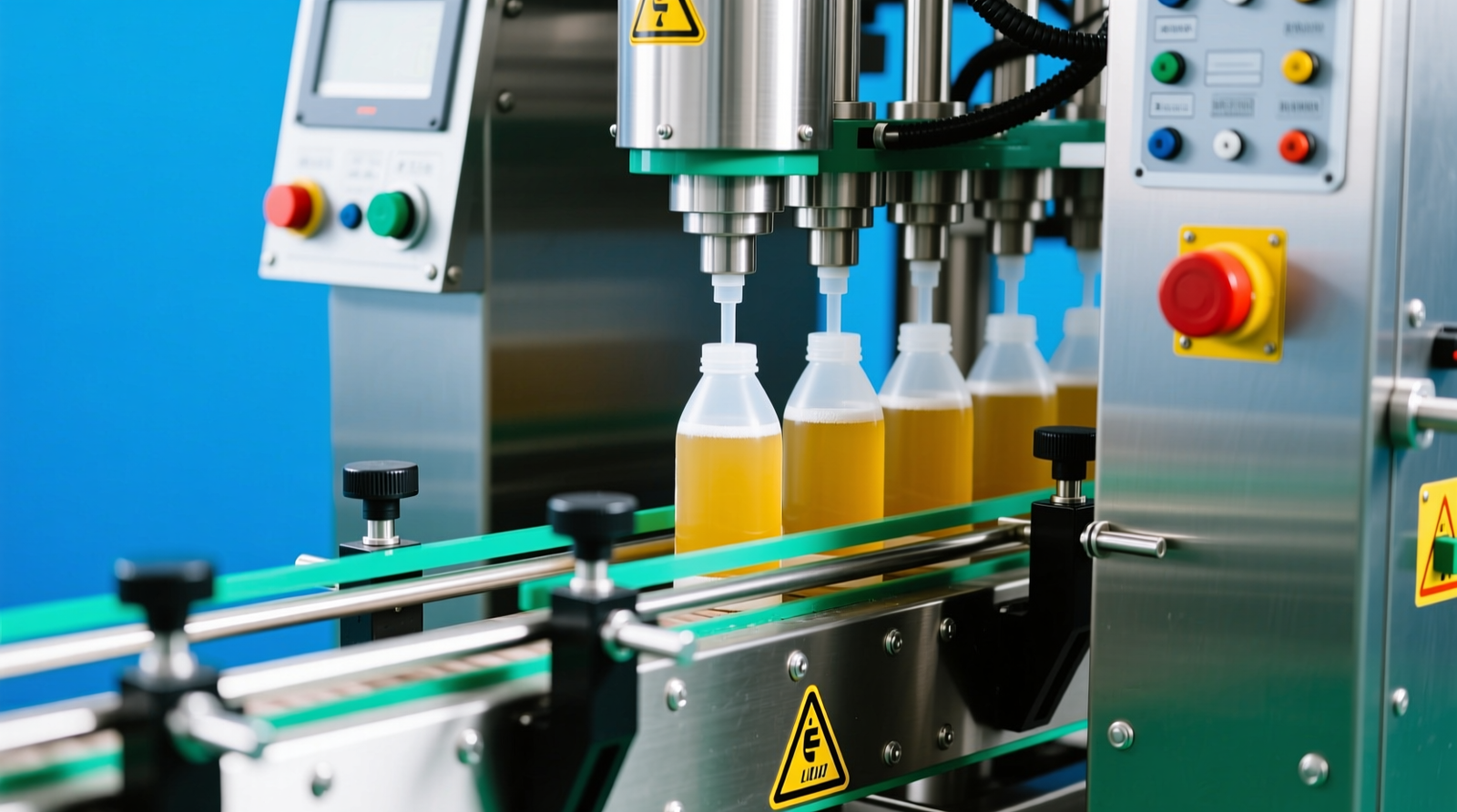
A Servo-Driven Liquid Filling Machine is an advanced type of liquid filling equipment engineered to provide precise and high-speed filling of various liquid products into containers. It utilizes servo motor technology to control the filling process with exceptional accuracy and repeatability. Unlike traditional pneumatic or mechanical fillers, servo-driven fillers offer refined control over fill volume, speed, and acceleration, making them ideal for industries that demand consistent product quality and efficiency.
How a Servo-Driven Liquid Filling Machine Works
The operation of a servo-driven liquid filling machine is based on the integration of servo motors and programmable logic controllers (PLCs). The servo motor drives the filling nozzle or piston with programmable precision, allowing accurate positioning and movement. When a container is positioned under the filling head, the machine initiates the filling cycle. The servo motor adjusts its torque and speed based on the product’s viscosity and fill volume settings. Feedback systems continuously monitor the process, enabling real-time corrections and ensuring every container receives the exact quantity of liquid with minimal variation.
Main Features of Servo-Driven Liquid Filling Machine
- High Precision: Advanced servo control ensures accurate fill levels within tight tolerances.
- Flexible Programming: PLC interface allows easy customization of fill parameters for different products and container sizes.
- Multi-Product Compatibility: Capable of handling various types of liquids, from thin to highly viscous substances.
- Touchscreen HMI: User-friendly interface enables simple operation, monitoring, and recipe storage.
- Sanitary Design: Hygienic construction with easy-clean components suitable for food, pharmaceutical, and cosmetic applications.
- Speed Control: Adjustable filling speed enhances productivity without compromising accuracy.
Application Scenarios of Servo-Driven Liquid Filling Machine
Servo-driven liquid filling machines are widely used across industries that require precision and reliability in liquid handling. Common application scenarios include:
- Food and Beverage: Filling bottles or pouches with water, juices, sauces, edible oils, and dairy products.
- Pharmaceutical: Dispensing syrups, essential oils, antiseptics, and other medicinal liquids under sterile conditions.
- Cosmetics and Personal Care: Filling containers with shampoos, lotions, creams, and other viscous beauty products.
- Chemical and Industrial: Handling detergents, automotive fluids, lubricants, and various industrial chemicals.
Advantages of Using Servo-Driven Liquid Filling Machine
- Exceptional Accuracy: Servo control technology minimizes material waste and ensures compliance with industry standards.
- Greater Flexibility: Easily adapts to different product formulations and container sizes with quick changeover capabilities.
- Enhanced Efficiency: Faster fill cycles and programmable settings reduce downtime and increase throughput.
- Cost Efficiency: Lower maintenance costs and reduced product loss lead to improved operational profitability.
- Consistent Quality: Repeatable precision filling ensures consistent product presentation and packaging integrity.
Use Cases and Reasons for Choosing Servo-Driven Liquid Filling Machine
Businesses across various sectors choose servo-driven liquid filling machines to meet their production targets while maintaining stringent quality control. Examples of use cases include:
- Small to Medium Enterprises (SMEs): Leveraging programmable accuracy for limited product SKUs and batch productions.
- Large-Scale Manufacturers: Integrating into automated production lines to handle high-volume output with reliability.
- Contract Packers: Managing frequent product changeovers and container types using recipe-saving controls.
The main reasons for selecting a servo-driven filling machine include its superior accuracy, flexibility, scalability, and suitability for a diverse range of liquids and container formats. This makes it a smart investment for operations aiming to improve productivity, reduce waste, and ensure product consistency.
Differences and Application Scenarios of Various Liquid Filling Machine Categories
1. Volumetric Liquid Filling Machine
Definition: Volumetric filling machines measure liquid based on predefined volumes using pistons or cylinders.
Applicable Materials & Working Method: Ideal for low to medium viscosity liquids such as water, juices, and liquid detergents. Operates by drawing a fixed volume and dispensing it into containers.
Typical Application Industries: Beverage, pharmaceutical, personal care.
Advantages: High accuracy, suitable for standardized products.
Limitations: Limited effectiveness for foamy or irregular fluids, less flexible with viscosity variations.
2. Gravity Liquid Filling Machine
Definition: Uses gravity to let the liquid flow into containers, especially effective when dealing with thin liquids.
Applicable Materials & Working Method: Suitable for water, vinegar, alcohol. Liquid flows from an elevated tank into containers.
Typical Application Industries: Food processing, chemical, and alcohol production.
Advantages: Low cost, simple structure, easy to operate and maintain.
Limitations: Not ideal for thick or viscous liquids.
3. Overflow Filling Machine
Definition: Designed to fill containers to a visually consistent level using pressurized overflow nozzles.
Applicable Materials & Working Method: Thin to moderately viscous materials like shampoo, syrup, and cleaning agents. Excess liquid returns to the tank.
Typical Application Industries: Cosmetics, pharmaceuticals, and household products.
Advantages: Ensures consistent fill level for transparent containers.
Limitations: Slightly more complex, potential liquid waste if not recirculated.
4. Piston Filling Machine
Definition: Uses pistons to draw and dispense precise product volumes, suitable for thick and particle-laden liquids.
Applicable Materials & Working Method: Creams, sauces, honey, and pastes; fills by suction and piston stroke.
Typical Application Industries: Food manufacturing, healthcare, beauty industry.
Advantages: Handles high viscosity and chunky content very well.
Limitations: Expensive, requires regular cleaning and maintenance.
5. Peristaltic Liquid Filling Machine
Definition: Employs rotating rollers to compress flexible tubing and move fluids forward without contaminating them.
Applicable Materials & Working Method: Mostly used in pharmaceutical and biotech sectors for precisely measured sterile fills.
Typical Application Industries: Pharmaceuticals, diagnostics, and lab reagent packaging.
Advantages: High hygiene, easy to clean (change tubing only).
Limitations: Not suitable for large volumes or industrial-scale applications.
Technical Comparison Table
Price Range: $ = < $5,000, $$ = $5,000–$15,000, $$$ = $15,000+
| Type | Speed | Working Method | Suitable Products | Cost |
|---|---|---|---|---|
| Volumetric | Medium | Volume-Based Dispensing | Juice, Detergent, Oil | $$ |
| Gravity | Low to Medium | Gravity Flow | Water, Alcohol | $ |
| Overflow | Medium to High | Level Filling with Overflow | Shampoo, Syrup | $$ |
| Piston | Medium | Piston Stroke | Honey, Sauce | $$$ |
| Peristaltic | Low to Medium | Tube Pressing Mechanism | Pharma Liquids | $$$ |
Ready to Source Your Equipment?
Now that you understand the types and applications of liquid filling machines, the next step is matching these technologies to your business goals.
How do you balance speed with precision? How do domestic machines compare to imported ones in terms of stability? We answer these commercial and technical questions in our dedicated buying handbook.
Continue to: The 2026 Enterprise Guide to Liquid Filling Machine Selection
Industry Trends and Innovation
The manufacturing landscape is rapidly evolving with the integration of cutting-edge technologies and sustainable practices. In the liquid filling machine sector, innovation is being driven by intelligent automation, green production principles, and the move toward fully unmanned production lines. This article explores the transformative trends shaping the industry’s future.
Future Trends of Liquid Filling Machine
- Intelligent Control SystemsIntelligent control integrates AI algorithms and visual recognition to optimize filling processes. Technology highlights include PLC integration, sensor fusion, and machine learning for adaptive adjustments.Application: AI vision systems detect bottle positioning and fill levels in beverage lines for precision loading.
Future Value: Reduces error rates, improves fill consistency, and minimizes material waste—boosting cost-efficiency in intelligent manufacturing.
- Unmanned Production LinesCombining robotics with collaborative robotic arms leads to self-operating production cells. Robots manage bulk movement, filling, packaging, and quality inspection without human intervention.Application: Dairy plants using robotic arms and conveyors in sterile environments.
Future Value: Enhances production continuity, ensures hygiene, and solves labor shortage issues in the unmanned factory model.
- Green and Eco-Friendly EquipmentMachines designed for biodegradable, recyclable, or compostable packaging materials support environmental goals.Application: A cosmetics company using liquid filling machines designed for sugarcane-based tube filling.
Future Value: Promotes green equipment adoption and reduces the carbon footprint—vital for certifications and brand image in future manufacturing.
- Energy Efficiency and Low-Carbon EquipmentEnergy-optimized servo motors, pneumatic systems, and smart power allocation all contribute to low-energy operations.Application: Beverage filling lines using variable frequency drives (VFDs) for energy regulation.
Future Value: Lowers energy costs, supports ESG goals, and ensures green production compliance.
- Modular and Flexible Production LinesCustomizable machine modules allow fast configuration changes to adapt to multiple bottle sizes and filling materials.Application: A nutraceuticals packaging facility switching between glass dropper bottles and PET vials on the same line.
Future Value: Improves responsiveness to market demands and increases ROI on equipment investments.
- High-Speed Operation with Multi-Spec Auto-SwitchingServo-driven lines support high-speed precision while allowing automated switching between SKUs.Application: Dairy lines auto-adapt between multiple yogurt bottle volumes every 30 minutes.
Future Value: Increases throughput while minimizing changeover downtime, optimizing resource use.
- Digitalization, Cloud Monitoring, and Predictive MaintenanceIIoT-enabled machines collect real-time data, enabling predictive analytics and remote diagnostics through cloud platforms.Application: A beverage firm tracks machine uptime via cloud dashboards and schedules maintenance before failures.
Future Value: Extends machine life, reduces downtime, and enhances production traceability—key for future manufacturing reliability.
Future Factory Case: An unmanned food production facility integrates robotic arms, AI inspections, and green liquid filling machines to produce ready-to-drink products 24/7 with minimal energy consumption and zero-touch operations—setting a reference model for the intelligent, efficient, and sustainable factory of the future.
What Is an Intelligent Production Line?
An intelligent bottling machine line is a highly automated system that combines software control, smart hardware integration, and data-driven decision-making to optimize liquid packaging processes.
Core Modules of an Intelligent Line
- Automated bottle feeding systems
- Precision weighing stations
- Smart liquid filling equipment
- Real-time sealing & capping units
- High-speed labeling systems
- Visual inspection for quality assurance
- Automated case packing
- Palletizing robots
Difference vs. Traditional Lines
Compared to traditional systems, intelligent bottling machine lines offer much faster production, multi-point collaboration between machines, real-time performance monitoring, and condition-based triggers for adaptive adjustments. Where manual intervention was once required, smart machines now self-optimize based on algorithmic feedback.
Data and Visualization Integration
These lines utilize MES (Manufacturing Execution Systems), SCADA, and IoT sensors to manage throughput, detect anomalies, and trace every unit’s journey—from raw input to palletized goods—allowing supervisory visibility at all times.
Industry Applications
- Food: Bottling sauces, dairy, juice under hygienic, fast-paced automation
- Pharma: High-precision vial and ampoule filling with full inspection
- Personal Care: Multi-shape packaging with branding continuity
- E-commerce logistics: Flexible packaging of varied SKUs with fast changeovers
Implementation Case: A leading southeast Asian beverage brand deployed an intelligent bottling machine line that cut energy use by 30%, reduced human operators by 80%, and doubled production capacity through MES-driven planning and AI-based defect rejection.
AI Vision Opportunities in bottling machine Equipment
1. Current Status
AI vision is increasingly used in bottling machine equipment to automate quality assurance, fill-level checking, and packaging inspection, lowering labor dependence and improving throughput.
2. Key Technologies
- OCR: Reads expiration dates and barcodes during high-speed movement
- Defect Detection: AI-trained cameras identify air bubbles, mislabels, or fill errors
- Positioning: Guides robotic arms for precise cap or label alignment
- Dynamic Tracking: Adjusts to operational variables in real-time using AI
3. Suitable Equipment
- Labeling machines
- Cartoning systems
- Visual inspection units
- Palletizers with smart vision control
4. Value of AI Vision
AI vision improves precision inspection, enables real-time auto-correction, cuts manual inspection costs, and increases overall yield in bottling machine automation.
5. Future AI Trends
- Tighter AI + robotic collaborations for autonomous operations
- AI-powered closed-loop process feedback for instant quality corrections
Case Example: A pharmaceutical company integrated AI vision into its bottling line to detect labeling misalignment. With over 98% accuracy, it eliminated manual QA, reduced rework by 45%, and improved production stability—converting bottling machine equipment into a precision-enabled platform.
Major Liquid Filling Machine Industry Exhibitions and Buyer Priorities
Global & Regional Exhibitions
- INTERPACK: Global packaging equipment event focusing on food, drink, and pharma filling systems.
- PACK EXPO: Leading U.S. show emphasizing automation, smart packaging, and high-speed bottling machine equipment.
- ProPak Asia: Covers Southeast Asia, prioritizing flexible liquid packaging and sustainable technology.
- Sino-Pack: China’s key exhibition for liquid filling and packaging innovations with a focus on intelligent manufacturing.
- AllPack Indonesia: Featuring mid-market solutions for personal care and low-viscosity liquids.
- FoodTech Japan: Advanced bottling trends for beverage and sauce processing sectors in Japan.
Common Buyer Priorities
- Performance & operation speed under various fill viscosities
- Automation level and compatibility with intelligent factory lines
- Long-term stability and maintenance frequency
- After-sales support, installation, and training capabilities
- Cost-effectiveness and ROI based on service life and productivity
Buyer Story: At Sino-Pack 2024, a beverage brand sought a high-speed intelligent bottling machine. After live demonstrations and real-time OEE comparisons, they selected an AI-integrated filling solution that cut downtime by 50% and improved yield by 20%.
Deep Analysis of Smart and AI-Driven Trends
1. Structural Market Shifts
The liquid filling machine industry is moving rapidly from manual and semi-automated setups toward fully integrated intelligent bottling machine lines. AI-driven systems create adaptive responses, not just automation—eliminating human-touch variability and process lags.
2. AI Pushes From “Automatic” to “Adaptive”
AI now allows bottling machine equipment to learn from defect patterns, adapt in real-time, and completely self-correct using closed-loop logic—a step beyond traditional automation.
3. The Era of Green & Low-Carbon
Green equipment innovations—such as low-energy servo packs, biodegradable-compatible fillers, and IoT-enabled power monitoring—align with global ESG pressures. Sustainability is now at the core of R&D in future manufacturing.
4. Labor Scarcity Fuels Unmanned Line Expansion
Surging global labor costs, especially in logistics hubs and processing zones, increase demand for unmanned factories where bottling machine automation replaces manual shifts across multiple lines.
5. Global Supply Chain Realignment
Decentralization and near-shoring create growth opportunities for domestic bottling machine equipment providers who offer adaptive, digital production lines produced closer to end-markets.
Future Timeline and Technological Stages
- 2026: 40% of mid-tier factories operate MES-supervised digital lines
- 2030: Cloud AI integrations regulate self-learning vision inspection systems
- 2035: Fully modular, plug-and-play AI bottling machine equipment dominates smart factories worldwide
Example R&D Trends
By 2023, over 1,800 patent submissions globally targeted modular AI-controlled filling heads, real-time multivariate diagnostics, and ecoadaptive robotic palletizers—highlighting a strong shift toward smart bottling machine innovation guided by sustainability and autonomous control algorithms.
Protecting Your Investment
Adopting these industry trends is key to staying competitive, but maintaining your equipment is key to staying profitable. A cutting-edge liquid filling machine is a significant asset that demands a proactive maintenance strategy to extend its lifecycle.
Don’t let preventable errors undermine your production goals. We have compiled a practical manual covering the most frequent breakdowns—and how to fix them quickly.
Check your maintenance checklist here: Top 10 Common Bottling Machine Faults & Repair Guide
Final Thoughts: optimizing for the Future
From the mechanical evolution of the 1900s to the AI-driven vision systems of 2026, liquid filling technology remains the heartbeat of the packaging industry. Whether you are handling high-viscosity chemicals or sensitive pharmaceutical liquids, the goal remains the same: balancing precision, speed, and stability.
You now have a comprehensive understanding of the “What” and “Why” behind these machines. The next logical step is defining the “How” for your specific production line.
Don’t let complexity slow down your market entry.
Protecting Your Investment