Modine’s Legacy in Thermal Management (Founded 1916)
Founded in 1916 by Arthur B. Modine, Modine Manufacturing Company has more than a century of experience designing heat-transfer equipment for demanding industries. The company’s early work—including the Spirex radiator for tractors—helped establish practical approaches to higher heat-rejection in compact envelopes, a theme that still defines modern thermal management across engines, electrified powertrains, buildings, and digital infrastructure.
Today, Modine supports OEM engineers, facility managers, and data center operators with systems that prioritize total cost of ownership (TCO), maintainability, compliance, footprint, and retrofit feasibility—not just nameplate performance. Its stated mission is to “Engineer a Cleaner, Healthier World™,” with a portfolio spanning vehicle cooling, building HVAC (heating, ventilation, and air conditioning), precision humidity control, and heat rejection for standby and prime power.
TL;DR: Modine combines 100+ years of heat-transfer know-how with application engineering aimed at real-world constraints like TCO, compliance, footprint, and uptime.
Engineering Thermal Management Systems: What Modine Builds (and for Whom)
Modine designs and manufactures thermal management systems for customers who need predictable performance under variable loads and harsh conditions—such as OEM design teams (integration, packaging, validation), plant and facility engineers (energy, maintainability, IAQ), and data center teams (uptime, PUE targets, scalability).
Core solution areas include:
- HVAC (heating, ventilation, and air conditioning) equipment for commercial/industrial buildings
- Engine and vehicle cooling (radiators, charge-air coolers, condensers, oil coolers, integrated thermal modules)
- BTMS (battery thermal management systems) and cooling loops for electrified and hydrogen platforms
- Precision cooling and dehumidification for quality-critical manufacturing and healthcare
- Heat rejection solutions for stationary power generation (prime/standby)
For performance context, many of these applications are designed around measurable constraints such as allowable coolant temperature rise (ΔT), ambient derates, fan power budgets, redundancy requirements (e.g., N+1), filtration classes, acoustic limits, corrosion resistance, and cleanability.
Internal linking opportunity: Consider deeper pages targeting high-intent terms like battery thermal management systems, data center liquid cooling, and desiccant dehumidification for lithium battery plants (anchors shown for future use; no URLs included).
TL;DR: Modine’s portfolio maps to specific buyer needs—OEM integration, facility operating cost, and data center scalability—using design constraints like ΔT, redundancy, and filtration rather than generic claims.
How Modine Executes: Application Engineering, Validation, and Lifecycle Support
Industrial buyers typically evaluate thermal management vendors on risk reduction: validated performance, predictable lead times, quality systems, and service coverage. Modine’s model emphasizes cross-functional collaboration (application engineering, manufacturing, quality, service) from early selection through commissioning and optimization.
Common project deliverables include:
- Front-end engineering: duty-point definition, load profiles, ambient conditions, fouling assumptions, and control sequences
- Modeling and prototyping: sizing and control strategy development prior to build
- Performance validation: verification against specified heat rejection, approach temperatures, and part-load behavior
- Reliability and service planning: maintainability reviews, access/cleaning plans, spares strategy, and upgrade paths
Where relevant, customers may request evidence aligned with recognized frameworks such as ASHRAE guidance for HVAC and thermal environmental conditions, or data center efficiency benchmarking concepts from The Green Grid (creator of PUE methodologies).
TL;DR: Modine’s value is often in execution—requirements definition, validation, and serviceability planning—supported by widely recognized industry guidance (ASHRAE, PUE frameworks).
What Differentiates Modine vs. Typical Thermal Suppliers
Many thermal suppliers can provide heat exchangers or HVAC units; differentiation usually comes from integration depth, validation rigor, and multi-market engineering that transfers learning between mobility, buildings, and digital infrastructure. Modine’s differentiators are most credible when tied to how customers buy and qualify equipment:
- Multi-domain thermal expertise: engine cooling, electrification loops, precision HVAC, and high-availability cooling under one corporate umbrella—useful for OEMs and operators standardizing suppliers.
- System-level packaging and integration: integrated thermal modules and engineered air-handling solutions designed to meet footprint, acoustic, and access constraints.
- Critical-environment specialization through brand focus: distinct product engineering “centers of gravity” (Airedale, Jetson, CDI, Scott Springfield) rather than one-size-fits-all product lines.
- Compliance-aware designs: equipment commonly specified to align with safety, hygiene, or building requirements (examples include UL (Underwriters Laboratories) for product safety certification and ISO (International Organization for Standardization) quality/environmental management systems where required by customer procurement).
Note: Certification scope varies by product and project; specifiers should confirm exact listings (e.g., UL) and management system registrations (e.g., ISO 9001/14001) with Modine during procurement.
TL;DR: Modine’s differentiation is strongest in system integration, multi-domain expertise, and compliance-aware designs delivered through specialized brands (not generic “innovation” language).
A Portfolio of Specialized Brands (When to Choose Which)

Modine’s family of brands helps buyers match the right engineering team to the right application. The quick way to select is to start with your primary risk: uptime, scalability, humidity control, or custom air handling constraints.
TL;DR: Use Modine’s brand structure as a selection tool: Airedale (critical cooling), Jetson (modular chillers/heat pumps), CDI (humidity control), Scott Springfield (custom AHUs).
Airedale by Modine: Data Center and Critical-Environment Cooling (UK/Europe Strength, Global Deployments)
Airedale by Modine is commonly associated with cooling for critical environments—particularly data centers, healthcare, and process-sensitive facilities—where part-load efficiency, controllability, and serviceability directly impact uptime and operating cost. For data centers, Airedale solutions are typically evaluated against PUE (power usage effectiveness, the ratio of total facility energy to IT equipment energy) and resilience targets (e.g., N+1).
Typical solution building blocks include:
- Air-cooled and water-cooled chillers
- Heat pump chillers for low-carbon heating/cooling strategies
- AHUs (air handling units) and precision cooling units (often compared to legacy CRAC units—computer room air conditioning—depending on architecture)
- Controls and monitoring capable of integration with DCIM (data center infrastructure management) platforms
Example configuration (illustrative): An N+1 chilled-water plant for a colocation hall might use multiple modular chillers feeding CRAH/AHU coils (CRAH = computer room air handler) with supply water temperature reset, variable-speed pumping, and economizer modes when ambient conditions allow. Operators typically track outcomes such as seasonal kW/ton, chilled water ΔT stability, and PUE movement during shoulder seasons.
Standards context: Many specifiers align temperature/humidity envelopes and operational guidance with ASHRAE data center (Datacom) guidance. For efficiency measurement and reporting, PUE concepts are widely referenced via The Green Grid.
Quantifying sustainability (typical outcomes): In retrofit or optimization programs that add economization and better controls, facilities often target single-digit to low-double-digit percentage reductions in cooling energy, which can translate into incremental PUE improvement depending on the IT load and site climate. Actual results depend on baselines, weather bins, and operating setpoints.
TL;DR: Airedale is the go-to Modine brand for data centers and critical cooling, with buyers typically measuring success via part-load kW/ton, resilience (N+1), and PUE improvements aligned to ASHRAE guidance.
Jetson by Modine: Modular Chillers and Heat Pumps (Scalability for Facility Managers)
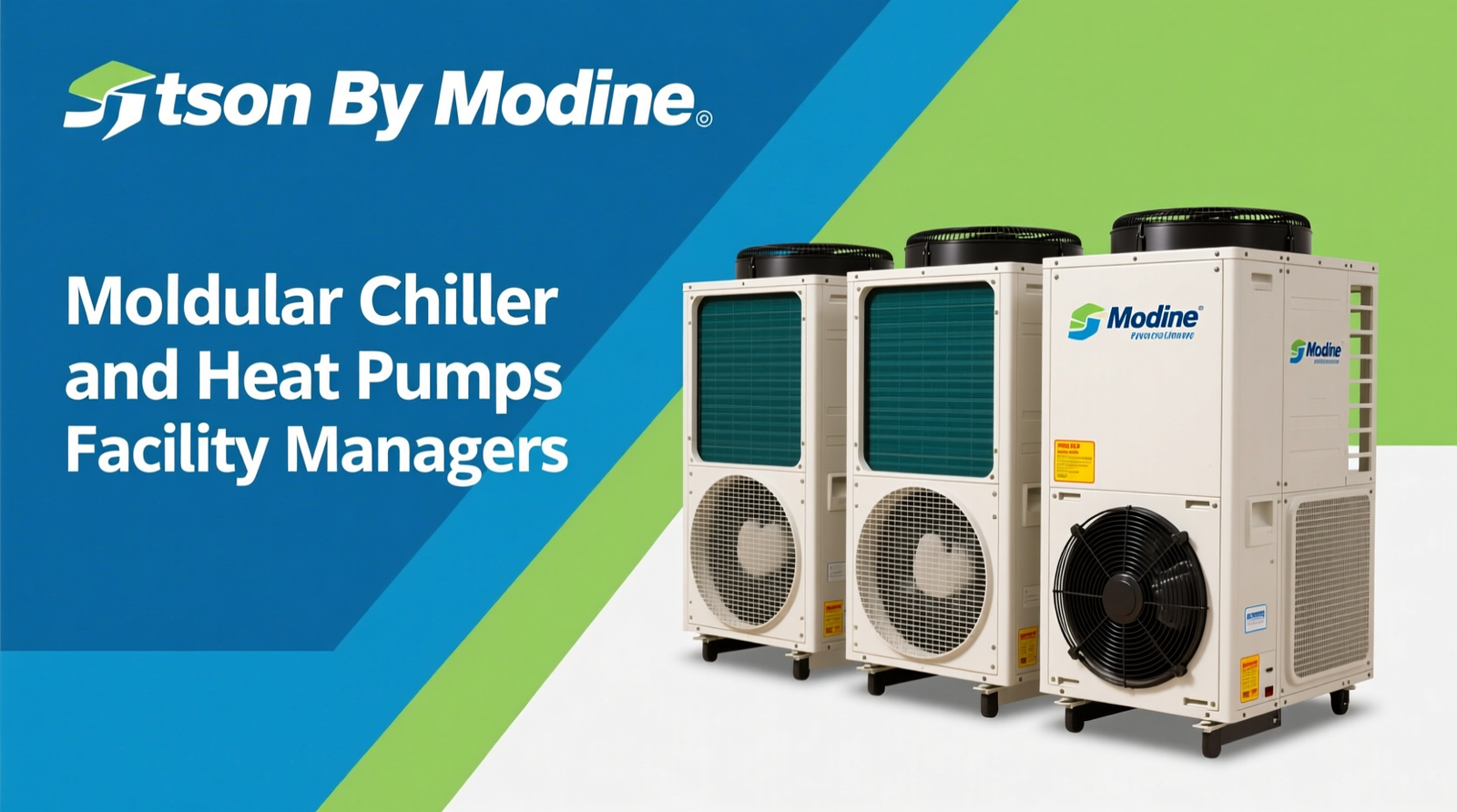
Jetson by Modine focuses on modular heating and cooling plants that suit facilities where capacity may change (expansions, phased builds, retrofits). Modularity can reduce risk by enabling staged CAPEX, simpler transport/rigging, and redundancy through multiple smaller units rather than a single large machine.
Core offerings include:
- Modular air-cooled chillers
- Modular water-cooled chillers
- Condensing units configured to site requirements
- Heat pumps supporting electrification of heating loads
Example decision criteria: Facility engineers often compare modular vs. monolithic systems using installed footprint, turn-down ratio, maintenance isolation (ability to service one module while others run), and seasonal efficiency rather than peak ratings alone.
TL;DR: Jetson fits buyers who want scalable chilled-water or heat-pump capacity with phased deployment, service isolation, and redundancy-by-design.
CDI by Modine: Desiccant Dehumidification for Low-Dew-Point Processes (North America Strength)
CDI by Modine specializes in desiccant dehumidification—a method that removes moisture using a desiccant material rather than relying only on cooling coils. This is particularly relevant for processes requiring low dew point (the temperature at which air becomes saturated and water condenses), such as lithium battery manufacturing where moisture can impact yield and safety.
Common application areas include:
- Battery and advanced materials manufacturing (dry rooms)
- Hospital operating suites and sterile processing
- Food and beverage processing/packaging
- Pharmaceutical and cleanroom environments (often aligned to GMP—Good Manufacturing Practice—expectations)
Performance metrics buyers look for: supply-air dew point capability, grains/lb or g/kg moisture removal rate, regeneration energy demand, and stability under door-open/production transients. In battery dry rooms, even small excursions in dew point can impact scrap rates and rework.
External reference (process context): For GMP expectations in regulated manufacturing, specifiers often reference guidance from regulators such as the U.S. FDA cGMP resources (requirements vary by product and jurisdiction).
TL;DR: CDI is best for industrial and healthcare environments where dew point stability is a quality or compliance requirement, and performance is judged by moisture removal rate and control stability—not just airflow.
Scott Springfield by Modine: Custom and Semi-Custom AHUs for Complex Buildings (North America Strength)
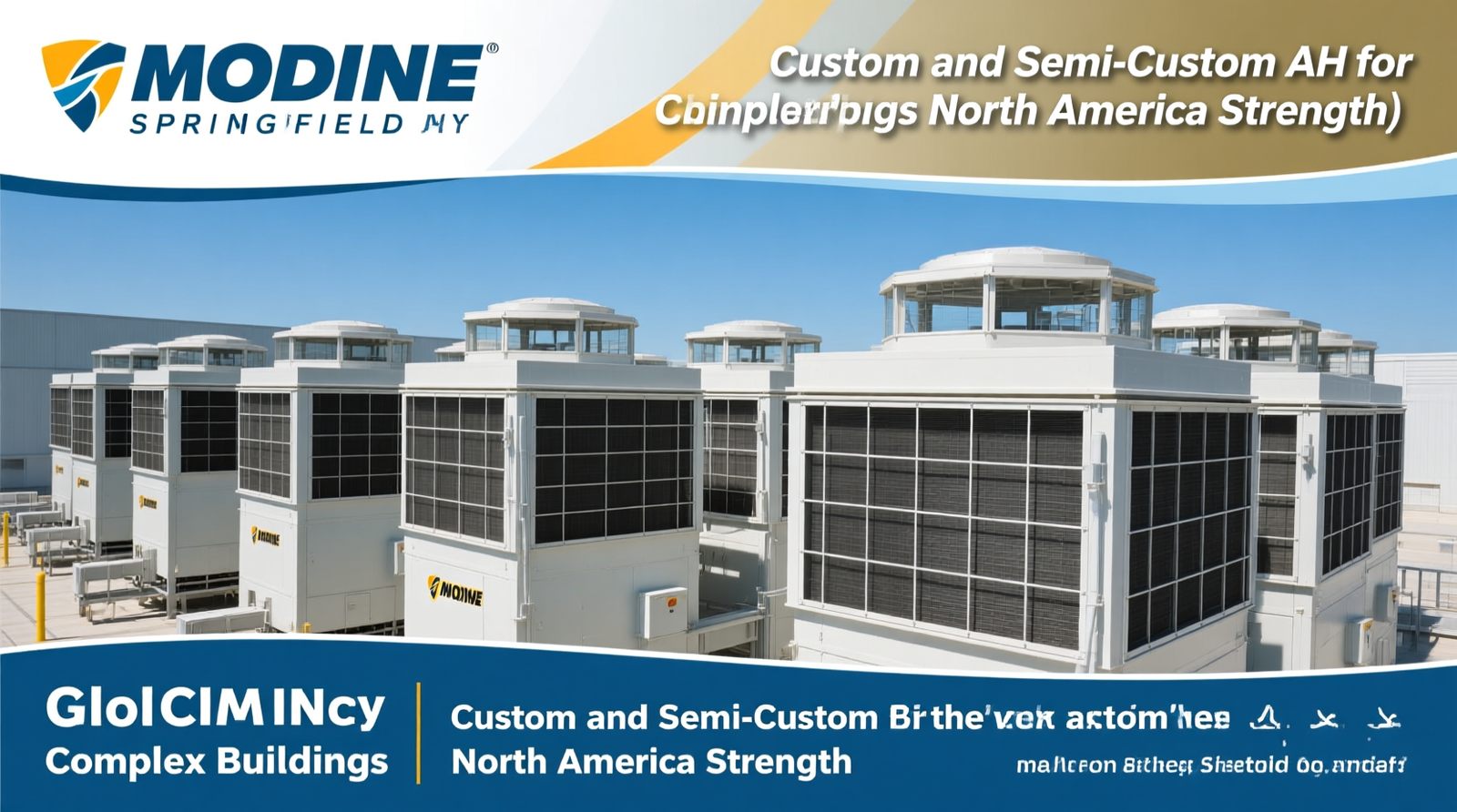
Scott Springfield by Modine is oriented toward custom and semi-custom AHUs (air handling units) when projects involve unusual mechanical spaces, strict indoor air quality targets, or specific filtration and ventilation sequences. This is often relevant in healthcare, laboratories, higher education, and large commercial buildings.
Capabilities commonly specified include:
- Custom footprints and access strategies to fit architectural/mechanical constraints
- Filtration and ventilation strategies to support indoor air quality (IAQ)
- Energy recovery to reduce heating/cooling loads (where climate and code allow)
- Integration with BAS (building automation systems) for scheduling, alarms, and trending
Standards context: Ventilation and IAQ requirements are frequently referenced to ASHRAE standards (project-specific, depending on occupancy type and jurisdiction).
TL;DR: Scott Springfield is the fit when your AHU needs to be engineered around building constraints, filtration/IAQ targets, and BAS integration.
Mobility and Off-Highway Thermal Management: Uptime Under Dirt, Vibration, and Derates
For off-highway and commercial vehicle OEMs, buying criteria tend to be durability, derate behavior at high ambient, contamination tolerance, service access, and packaging. Modine addresses these needs with vehicle thermal systems designed around heavy-duty duty cycles and field maintainability.
TL;DR: In vehicle markets, Modine’s value is measured in uptime and predictable derate behavior under harsh operating conditions—not brochure-level efficiency claims.
Off-Highway, Agricultural, and Construction Equipment
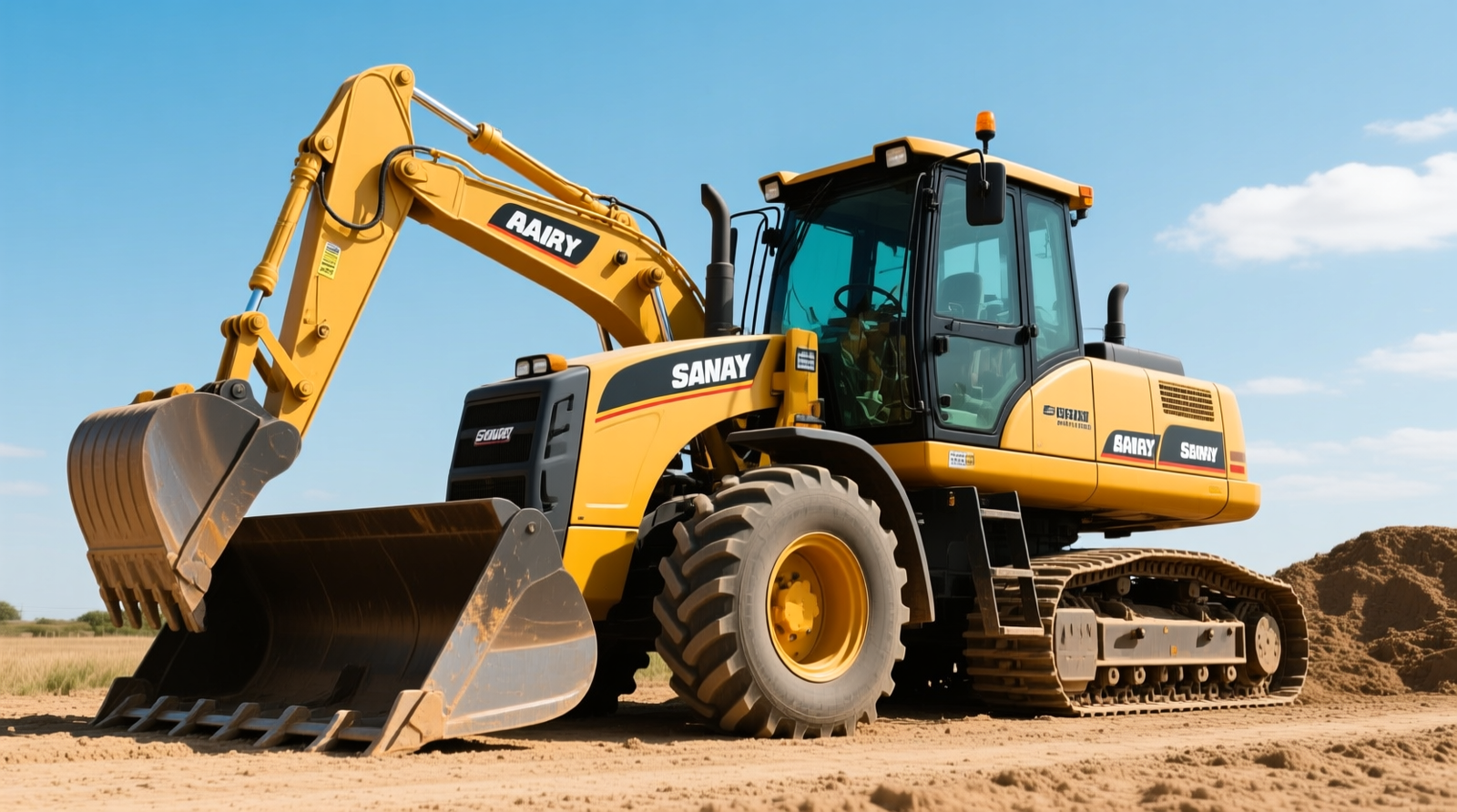
Off-highway machines operate in high-dust environments with frequent load swings. Thermal systems are often sized not only for peak heat rejection but also for fouling margins, pressure drop limits, and fan power constraints (fan power can materially affect fuel use and noise).
Representative capabilities include:
- Cooling for high-output diesel and alternative-fuel engines
- Heat management for hydraulics, transmissions, and power electronics
- Cab HVAC designed for operator comfort and safety
- Compact, integrated heat exchanger packaging for tight engine bays
Mini case snippet (illustrative): An off-highway OEM targeting higher uptime may specify a cooling package redesign that reduces debris sensitivity (e.g., fin selection, access for cleaning, shrouding) and improves thermal margin at high ambient (e.g., 40–50°C), reducing thermal derates that slow machine productivity. Results are typically tracked via fewer overtemp events and more stable fluid temperatures during peak duty cycles.
TL;DR: Off-highway thermal design is about thermal margin, fouling tolerance, and service access—key levers for uptime and productivity.
Commercial Vehicles and Specialized Transport
For trucks, buses, and specialized vehicles, integration constraints (weight, frontal area, airflow management) and service access often matter as much as raw heat rejection. Integrated modules can reduce leak paths and simplify assembly, while service-friendly layouts reduce downtime.
Common products include:
- Radiators, condensers, charge air coolers, oil coolers
- Integrated thermal modules for packaging and assembly efficiency
- Cab and passenger HVAC systems
TL;DR: In commercial vehicles, Modine’s differentiators show up in integration efficiency (packaging, assembly) and maintenance-driven uptime.
Electrification and Hydrogen: BTMS, Power Electronics Cooling, and Safety Margins
Electrified and hydrogen platforms add temperature-sensitive components with narrow operating windows. BTMS (battery thermal management systems) manage cell temperatures to protect performance, charging speed, and lifecycle; similarly, inverters, converters, and fuel-cell stacks require stable thermal conditions to avoid accelerated degradation.
Modine supports:
- BEV (battery electric vehicles) commercial platforms
- HEV (hybrid electric vehicles) and PHEV (plug-in hybrid electric vehicles)
- Hydrogen fuel cell commercial and industrial vehicles
- Power electronics thermal loops (inverters, converters, onboard chargers)
Example system configuration (illustrative): A typical commercial EV may use separate coolant loops for battery and power electronics, with a chiller interface to the refrigerant circuit for pull-down during fast charging. Decision criteria include target battery inlet temperature range, allowable warm-up time at cold ambient, maximum pressure drop through cold plates/heat exchangers, and robustness of controls under transient loads.
Sustainability linkage (quantified, indicative): Better thermal control can improve usable energy and reduce degradation-related replacements. Outcomes are commonly evaluated through improved charging consistency, fewer thermal limit events, and longer component service intervals—benefits that reduce lifecycle emissions tied to maintenance and parts.
TL;DR: Electrified and hydrogen platforms require tight thermal control; Modine’s role centers on multi-loop integration, fast-charge heat extraction, and protecting component life.
Data Centers and Digital Infrastructure: Air and Liquid Cooling to Manage Density
Data center operators face escalating rack densities (especially with GPUs) and rising scrutiny on energy and water use. Cooling design is often judged by PUE, redundancy, maintenance isolation, and ability to scale without disrupting live operations.
Through Airedale, Modine supports architectures such as:
- Chilled-water plants with high-efficiency chillers and optimized pumping
- Precision air cooling for white space environmental control
- Liquid cooling approaches for high-density compute (e.g., direct-to-chip loops depending on design)
- Economization strategies to reduce compressor run hours when ambient allows
- Controls that integrate with DCIM for trending, alarms, and optimization
Mini case snippet (illustrative): In a retrofit where a legacy cooling plant is upgraded with better controls (supply temperature reset, optimized staging, economization) and improved airflow management, operators commonly pursue measurable reductions in cooling energy. Depending on climate and baseline, it’s reasonable to target 5–20% cooling-energy reduction opportunities, which can contribute to improved PUE when IT load is steady.
External reference: For PUE definition and benchmarking concepts, see The Green Grid. For recommended thermal guidelines and envelopes used by many specifiers, see ASHRAE Datacom resources.
TL;DR: Modine (via Airedale) targets data center outcomes operators care about: PUE movement, redundancy, and scalability—using control strategy and system architecture, not just equipment swaps.
Stationary Power Generation Cooling: Standby Reliability and Harsh-Ambient Readiness
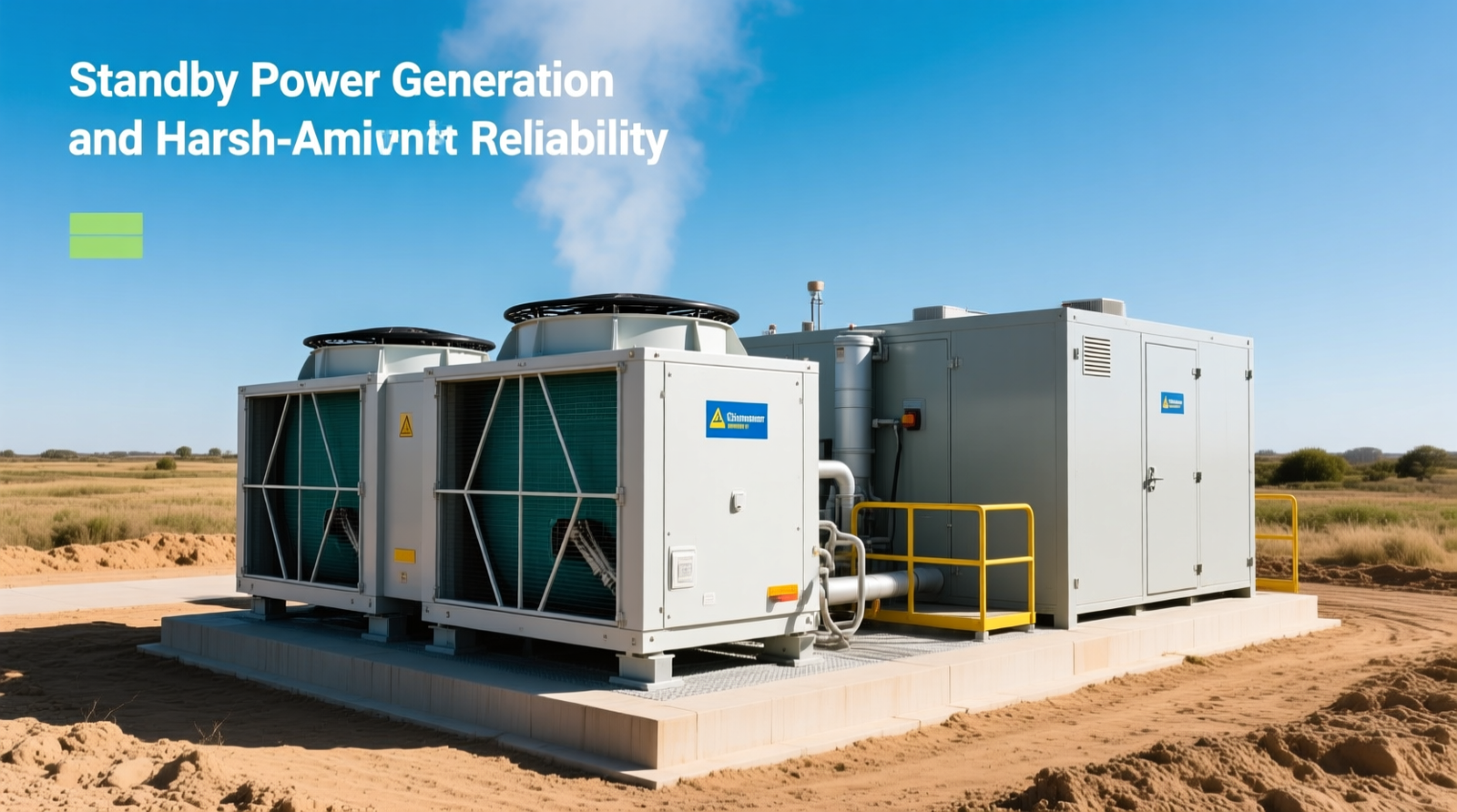
Generators supporting hospitals, telecom, industrial plants, and data centers must start and carry load reliably, including during heat waves when cooling capacity is hardest to maintain. Modine supplies cooling modules and heat exchangers intended for standby, prime, and continuous duty profiles.
Typical design requirements include:
- Stable engine and alternator operating temperatures under step loads
- High-ambient operation with predictable derating curves
- Integration with enclosures and acoustic packages
- Compatibility with diesel, natural gas, and alternative fuel engines
TL;DR: For stationary power, the key value is reliable heat rejection during high-ambient, high-load events—supporting start-readiness and load acceptance.
Sustainability: Turning Thermal Improvements into Measurable Outcomes
Sustainability claims matter most when they’re tied to measurable metrics: kWh reduction, refrigerant strategy, improved maintenance intervals, or reduced thermal derates that lower fuel/energy consumption. Across Modine’s served markets, thermal optimization often supports:
- Lower energy use via better part-load operation and controls (particularly in HVAC and data center cooling)
- Electrification enablement (heat pumps, EV and fuel-cell thermal loops)
- Waste and rework reduction in humidity-sensitive manufacturing by stabilizing dew point
- Longer asset life by reducing thermal cycling and hotspots
Indicative ranges (contextual): Cooling-plant optimization and economization strategies can often unlock single-digit to low-double-digit % energy reductions in suitable climates and baselines; process humidity control improvements can reduce scrap risk where moisture excursions drive defects (project-specific). Buyers should request a baseline model and measurement plan to validate savings.
External reference: For broader building energy efficiency context and best practices, resources from the U.S. Department of Energy (Buildings) can be helpful when building business cases.
TL;DR: The most credible sustainability story is quantified—energy, uptime, and quality metrics tied to baseline conditions and a validation plan.
What to Do Next (Selecting the Right Modine Path)

If you’re scoping a project, the fastest way to align with the right Modine team is to start with your primary constraint:
- Data center operator: PUE targets, redundancy strategy, density roadmap, and controls/DCIM integration
- Facility manager: lifecycle cost, maintainability, staged expansion, and code/ASHRAE alignment
- OEM engineer: packaging, derates, contamination/vibration tolerance, and validation requirements
- Process/quality engineer: dew point stability, GMP expectations, and excursion response planning
To learn more about Modine’s thermal management solutions, visit www.modine.com.
TL;DR: Match the brand and solution set to your top constraint—PUE and density, lifecycle cost, packaging/derates, or dew point and compliance.
FAQ
Q: What is Modine best known for in thermal management?
A: Modine is known for engineering heat-transfer and HVAC solutions across mobility, buildings, data centers, humidity control, and power generation. Buyers typically choose Modine when they need system integration support, validated performance, and application-specific designs rather than commodity components.
Q: What is the typical project lifecycle for a data center cooling or industrial HVAC upgrade?
A: Many projects follow a sequence of requirements definition (loads, redundancy, constraints), concept/system selection, detailed engineering, factory build and testing, installation/commissioning, then optimization. Timelines vary by scale and site conditions, but owners should plan for engineering lead time plus procurement, commissioning, and a measurement period to verify energy outcomes.
Q: Can Modine systems integrate with existing BAS or DCIM platforms?
A: In many projects, yes. BAS (building automation system) integration is common for AHUs/chillers, while DCIM (data center infrastructure management) integration is often requested for data center cooling monitoring and optimization. Confirm required protocols, points lists, and cybersecurity requirements early in the design phase.
Q: How do lead times and customization work for custom AHUs or dehumidification systems?
A: Lead time depends on the level of customization (footprint, filtration, coils, controls), materials availability, and required testing/documentation. A common approach is an initial design review to lock performance and access constraints, followed by submittals, approvals, and production. For schedule-critical projects, ask about phased submittals and long-lead component strategies.
Q: What does Modine’s support and service model typically include after commissioning?
A: Support commonly includes recommended maintenance schedules, replacement parts planning, controls tuning, and performance optimization (e.g., staging and setpoint strategies). For uptime-sensitive sites, buyers often request defined response times, spares packages, and documentation for ongoing compliance and audits.