
Introduction

Komatsu Ltd., a global original equipment manufacturer (OEM) of construction, mining, and industrial machinery, announced consolidated results for FY2025 and provided an outlook for FY2026, including cash dividend plans. Komatsu’s consolidated financial statements are prepared in accordance with U.S. GAAP (Generally Accepted Accounting Principles).
Fiscal-year naming convention (to avoid confusion): In this article, FY2025 refers to the year ended March 31, 2026 (April 1, 2025–March 31, 2026), and FY2026 refers to the year ending March 31, 2027.
In this document, “the Company” refers to Komatsu Ltd. on a non-consolidated basis, while “Komatsu” refers to Komatsu Ltd. and its consolidated subsidiaries.
For readers who want the primary source, Komatsu posts investor materials on its official IR site: https://home.komatsu/en/ir/. For broader industry context on construction equipment and mining demand, reputable third-party perspectives include the OECD (macro indicators) and the World Steel Association (raw-material backdrop).
TL;DR: FY2025 = year ended March 31, 2026; FY2026 = year ending March 31, 2027. Komatsu grew sales slightly in FY2025 but saw profit pressure; FY2026 is guided softer with stable dividends.
Key Highlights (FY2025 results and FY2026 dividend stance)
- Net sales (FY2025): JPY 4,132.8 billion (+0.7% year on year)
- Operating income (FY2025): JPY 567.3 billion (-13.7%); operating margin 13.7% (down 2.3 pts)
- Net income attributable to Komatsu (FY2025): JPY 376.4 billion (-14.4%)
- Dividend (FY2025): JPY 190 per share total; payout ratio 45.9%
- Dividend plan (FY2026): JPY 190 per share maintained; projected payout ratio 53.8%
In cyclical heavy equipment markets, it is common to see revenue resilience supported by price/mix even as margins compress when volumes soften and cost inflation persists. Relative to prior construction and mining down-cycles, the notable difference in this cycle is the increasingly meaningful contribution of aftermarket parts and services (higher recurring revenue) and semiconductor-related maintenance demand within industrial machinery.
TL;DR: Sales held up (+0.7%), profits fell (-13.7% operating income), and Komatsu is signaling dividend stability even as FY2026 earnings are expected to decline.
1. Results for the Fiscal Year Ended March 31, 2026 (FY2025)
For FY2025, Komatsu reported a modest increase in net sales to JPY 4,132.8 billion (+0.7% year on year). In many equipment cycles, this pattern—flat-to-slightly-up sales with declining profit—typically reflects a combination of weaker unit volumes, improving price realization, and input-cost pressure.
From an industry comparison standpoint, most global construction and mining equipment OEMs tend to experience profitability sensitivity when demand cools because factory utilization, logistics, and component procurement costs do not fall as quickly as shipments. Komatsu’s results fit that common dynamic: pricing and mix helped sales, while costs and volume weighed on earnings.
TL;DR: FY2025 sales were essentially flat-to-up, consistent with late-cycle behavior where pricing offsets softer unit shipments, but profitability becomes more volume- and cost-sensitive.
1-1. Overview of Consolidated Net Sales
Komatsu’s slight net sales growth in FY2025 was achieved despite a challenging market environment. The Company emphasized value-based selling and product mix optimization, which typically aims to improve TCO (total cost of ownership) for customers through better fuel efficiency, uptime, and serviceability—key differentiators when customers become more selective on capital spending.
For customers and fleet owners, this “value over volume” approach often translates into tighter alignment between machine specification and jobsite needs, and a stronger emphasis on lifecycle services rather than only upfront purchase price.
TL;DR: Net sales rose slightly as Komatsu leaned into value-based pricing and mix—strategies that often show up as better customer TCO rather than pure unit growth.
1-2. Construction, Mining and Utility Equipment Business
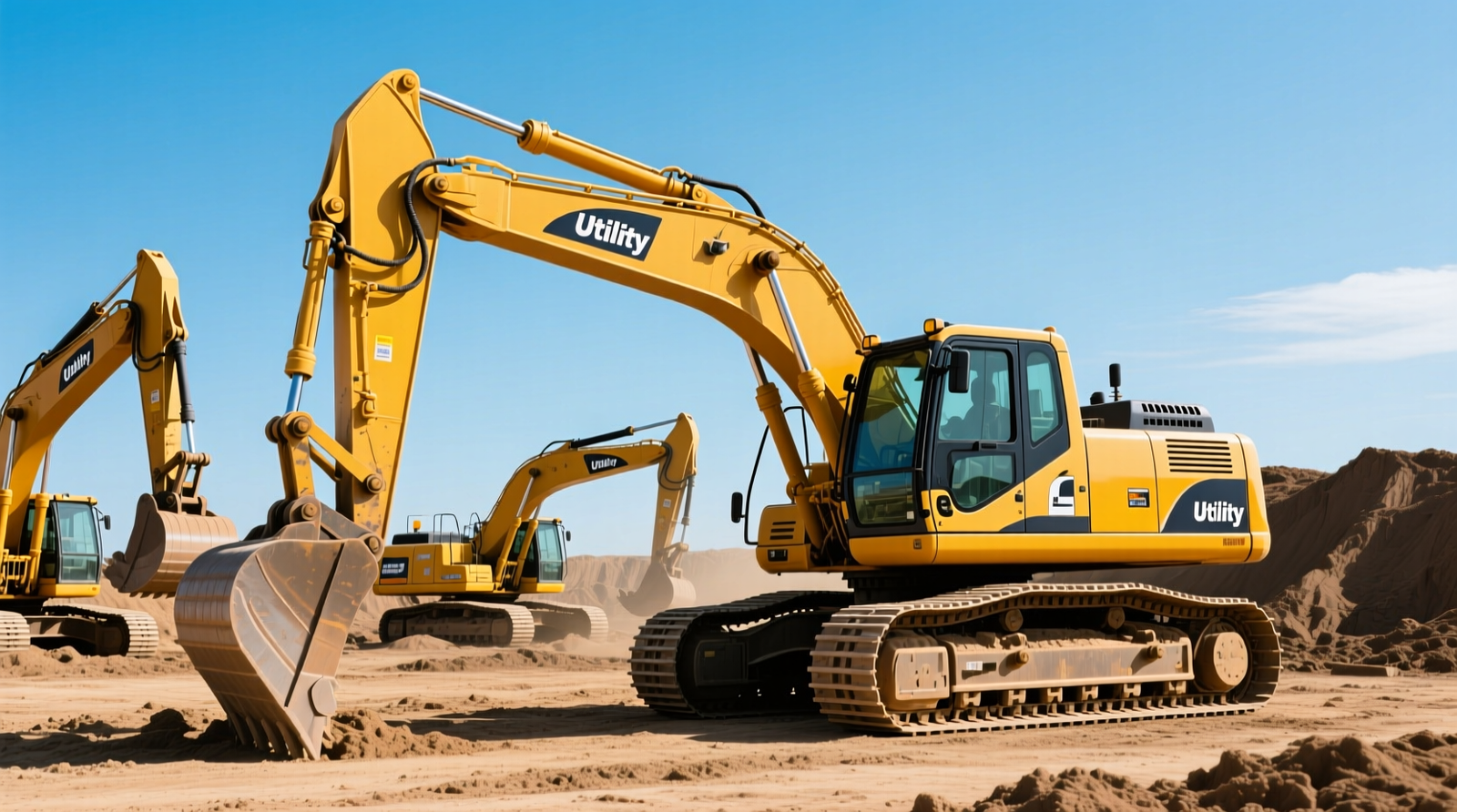
In construction, mining and utility equipment, net sales increased year on year even though overall sales volume declined. This is a common outcome when an OEM pushes price realization and prioritizes higher-value configurations, attachments, and solution packages.
- Value-based pricing: Improved selling prices supported revenue even with fewer units shipped.
- Higher value-added offerings: Product/solution emphasis (including digital jobsite and fleet management tools) tends to lift revenue per machine.
- Mix optimization: A shift toward higher-spec models and solution bundles can offset softer baseline construction demand.
Regional and end-market context (high-level): In typical global demand patterns, North America is often influenced by infrastructure and residential/non-residential construction cycles and financing conditions; Asia can be more sensitive to broader manufacturing and real-estate activity; and Latin America frequently tracks mining investment and commodity-linked construction. On the mining side, OEM demand is strongly shaped by capital expenditure cycles in mining—especially large truck/shovel orders that can swing significantly year to year.
Industry peer comparison (general): When construction equipment demand cools, many OEMs see unit declines first, while pricing and parts/service activity (wear parts, rebuilds, maintenance) can cushion revenue. Komatsu’s ability to grow segment sales despite lower volume aligns with this broader peer dynamic—though the margin outcome depends heavily on cost inflation and factory utilization.
TL;DR: Segment revenue grew on price/mix despite fewer units; regional and mining capex cycles remain key demand drivers, with service activity often helping smooth downturns.
1-3. Industrial Machinery and Others Business
In industrial machinery and others, sales increased from the previous fiscal year. Key drivers included higher sales of large presses for automotive manufacturing and stronger maintenance revenue from excimer laser-related equipment tied to the semiconductor industry.
- Automotive presses: Supported top-line performance, though this sub-market can be lumpy depending on automakers’ model cycles and capacity plans.
- Semiconductor-related service: Growth in maintenance revenue suggests improved tool utilization—often a positive signal for recurring service demand.
For expert readers, semiconductor demand typically differs across logic vs. memory and advanced vs. mature nodes. Even when new tool purchases slow, installed-base servicing can remain resilient because fabs still need uptime, refurbishment, and parts replacement. In that sense, a larger semiconductor service mix can make earnings somewhat less dependent on new equipment shipment timing—though it can also increase sensitivity to semiconductor utilization rates.
Strategic implication: A rising share of semiconductor-related aftermarket parts and services can shift Komatsu’s earnings profile toward more recurring revenue and potentially less cyclicality than pure equipment shipments. The trade-off is that semiconductor exposure introduces a different cycle (capacity utilization and technology transitions) versus construction/mining.
TL;DR: Industrial machinery sales rose, aided by semiconductor maintenance; a bigger semiconductor service mix can improve recurring revenue quality but adds exposure to semiconductor utilization cycles.
1-4. Profit Performance
Despite higher sales, consolidated profits declined in FY2025. Operating income fell to JPY 567.3 billion (-13.7%), with operating margin at 13.7% (down 2.3 points). Income before taxes was JPY 537.3 billion (-11.2%), and net income attributable to Komatsu was JPY 376.4 billion (-14.4%).
When Komatsu cites “higher costs,” the most common drivers in heavy equipment manufacturing are: raw materials (steel and alloys), logistics/freight, labor (wage and overtime), and component procurement (engines, hydraulics, electronics), along with currency-driven import costs. These pressures are often magnified when volumes soften because fixed costs are spread over fewer units.
Construction, Mining and Utility Equipment (profit drivers)
Komatsu continued initiatives to improve selling prices and profitability, but segment profit decreased due to a combination of cost inflation, supply-chain friction, and lower volumes in certain markets.
Retail Finance, Industrial Machinery and Others (profit drivers)
Profits increased in retail finance (supported by higher interest income) and in industrial machinery and others (supported by stronger semiconductor-related service demand).
Investor lens: The mix shift matters. Retail finance can provide earnings support when equipment cycles soften, but it also introduces credit risk sensitivity if delinquencies rise. Meanwhile, semiconductor-related service revenues can be higher quality/recurring, but not immune to industry downturns.
TL;DR: Profit fell mainly due to cost inflation and lower equipment volumes; retail finance and semiconductor-related services helped partially offset the pressure.
2. Projections for the Fiscal Year Ending March 31, 2027 (FY2026)
For FY2026 (year ending March 31, 2027), Komatsu expects an uncertain external environment shaped by geopolitical developments and macroeconomic conditions. In heavy equipment, this is consistent with late-cycle phases where fleet replacement slows and mining customers moderate new orders after prior investment peaks.
For industry partners (dealers, distributors, and suppliers), a softer volume outlook typically shifts focus toward aftermarket parts and services, rebuild programs, and fleet uptime solutions. For customers, it can affect lead times and availability: easing demand often improves delivery windows, but supply-chain constraints for specific components can still create pockets of longer lead times.
TL;DR: FY2026 guidance implies a softer cycle; partners may see more service-driven activity, and customers could see improved availability—though component constraints can still matter.
2-1. Construction, Mining and Utility Equipment Business Outlook
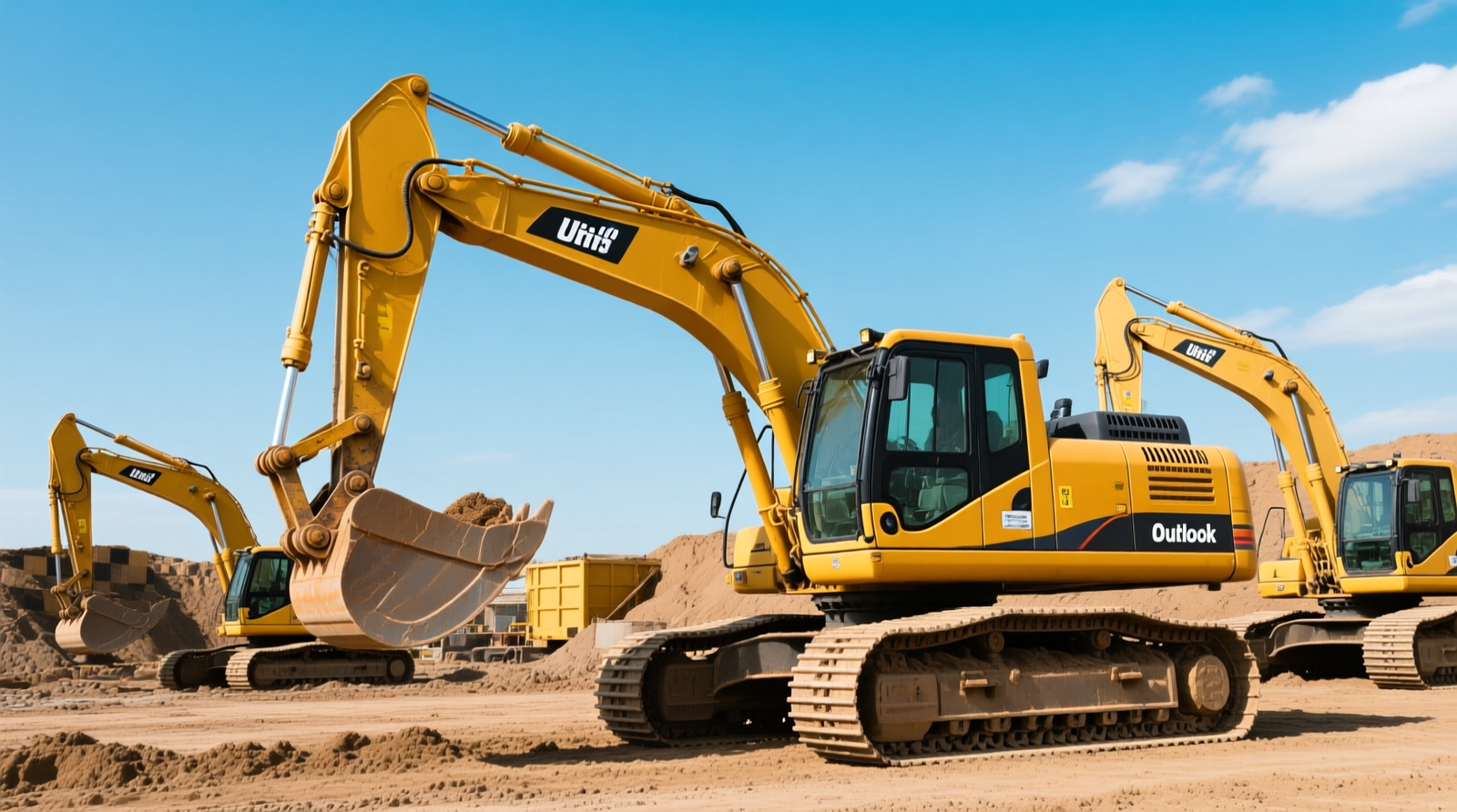
Komatsu expects selling prices to continue improving via disciplined value pricing and value-added products. However, segment sales are projected to decline due to weaker demand in certain regions (including Middle East-related impacts), a pullback in mining equipment demand after a comparatively strong period, and commodity/resource market adjustments.
At a high level, construction demand tends to track housing, infrastructure budgets, and contractor sentiment, while mining demand tends to follow commodity prices and mining company capex plans. If mining customers reduce capex after a strong investment window, OEM order intake can normalize quickly.
Segment profit is also expected to decline. Cost pressures referenced include the impact of U.S. tariff policies and higher fixed costs linked to strategic investments and operations. In practice, “cost headwinds” for OEMs often include logistics, labor, and component sourcing costs in addition to tariffs and compliance-related expenses.
Customer takeaway: If volumes soften, customers may have more negotiating leverage on delivery schedules and bundled service agreements, and may see more flexible financing campaigns—though actual financing conditions depend on local interest rates and dealer inventory positions.
TL;DR: Komatsu expects price realization to hold up, but lower construction/mining demand and cost headwinds (including tariffs and fixed-cost load) are set to pressure both sales and profit.
2-2. Retail Finance Business Outlook
Komatsu projects higher revenues in retail finance driven by higher outstanding receivables and increased interest income. Segment profit is projected to decrease due to higher operating/administrative costs and potentially higher credit-related costs in certain markets.
Investor context: Retail finance can stabilize consolidated results during a downshift in equipment shipments, but it can also amplify downside if credit losses rise. Watching delinquency trends, residual values, and portfolio mix (construction vs. mining customers) becomes more important as the cycle matures.
TL;DR: Finance revenue may rise with a larger book and higher yields, but profit could tighten if overhead and credit costs increase.
2-3. Industrial Machinery and Others Business Outlook
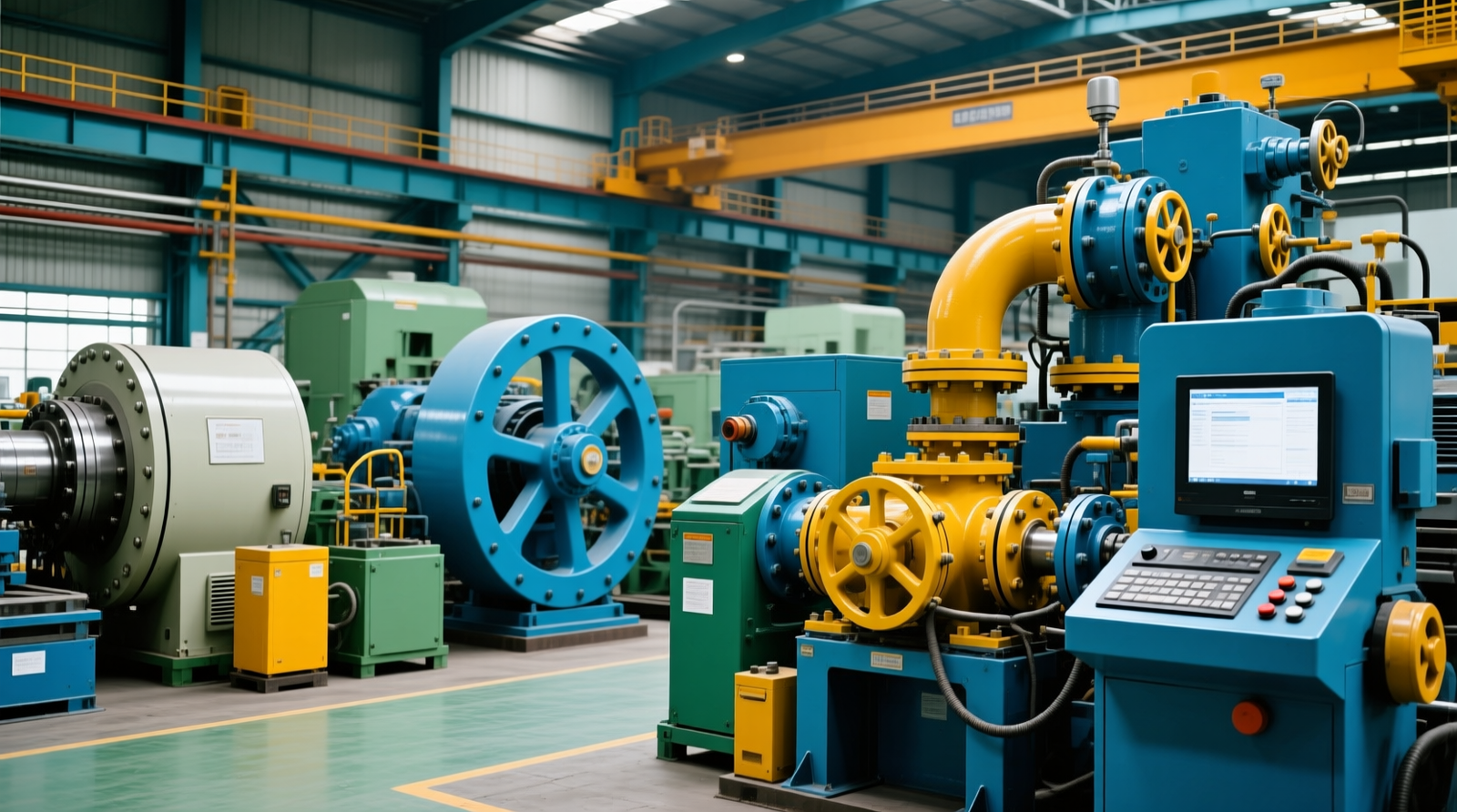
Komatsu forecasts higher sales but lower segment profit in industrial machinery and others. It expects higher semiconductor-related sales supported by increased customer production, while automotive-related sales are expected to decline due to weaker demand for large presses and automotive battery manufacturing equipment. Cost increases tied to product development, manufacturing, and service operations are also expected to weigh on profit.
Semiconductor segmentation (high-level): If the upturn is driven primarily by higher fab utilization, service/maintenance and parts tend to benefit first. If it’s driven by new capacity builds (especially leading-edge logic), demand for new tools and system upgrades typically becomes more pronounced. Conversely, memory downcycles can reduce both new orders and service intensity.
Strategic implication: Greater semiconductor exposure can support recurring revenue through service, potentially smoothing earnings versus pure construction/mining equipment cycles. However, it also raises the importance of execution in service networks, parts availability, and R&D (research and development) spend to keep pace with technology shifts.
TL;DR: Semiconductor-related activity supports sales, but automotive softness and higher R&D/operational costs are expected to compress segment profitability.
2-4. Consolidated Outlook and Foreign Exchange Assumptions
Komatsu projects a decrease in both consolidated sales and profits in FY2026. The Company’s foreign exchange (FX) assumptions for the outlook are:
- USD 1 = JPY 150.0
- EUR 1 = JPY 174.0
- AUD 1 = JPY 106.0
Because Komatsu sells globally and manufactures across regions, FX volatility can meaningfully influence translated revenue, overseas profitability, and price competitiveness. For background on exchange-rate dynamics and macro conditions, see the Bank for International Settlements (BIS) and macro indicators from the IMF Data portal.
TL;DR: FY2026 is guided down on sales and profit, and results could swing with FX moves versus assumed rates (USD/JPY, EUR/JPY, AUD/JPY).
3. Cash Dividends

Komatsu’s dividend approach is framed around stable, sustainable shareholder returns while funding future growth investments.
Investor commentary (objective): Maintaining dividends amid declining profits can be viewed as a signal of balance-sheet confidence and shareholder-return discipline. The risk is a higher payout ratio during downturns, which can reduce flexibility if the cycle weakens further or if strategic investments (automation, electrification, capacity) accelerate. Investors often watch free cash flow coverage and leverage to assess sustainability.
TL;DR: Komatsu is prioritizing dividend stability, which supports shareholder-return predictability but increases payout pressure if earnings fall further.
3-1. Dividends for the Fiscal Year Ended March 31, 2026 (FY2025)
For FY2025, Komatsu plans a year-end dividend of JPY 95 per share. Total annual dividends are expected to be JPY 190 per share (including the interim dividend), unchanged from the previous fiscal year ended March 31, 2025.
- FY2025 payout ratio: 45.9% (based on net income attributable to Komatsu Ltd.)
This dividend proposal will be submitted to the 157th ordinary general meeting of shareholders scheduled for June 23, 2026.
TL;DR: FY2025 dividend stays at JPY 190 per share total, with a 45.9% payout ratio.
3-2. Dividend Plan for the Fiscal Year Ending March 31, 2027 (FY2026)

For FY2026, Komatsu projects lower consolidated net income than FY2025 but plans to maintain the annual dividend at JPY 190 per share.
- FY2026 projected payout ratio: 53.8%
Capital allocation context: For many industrial OEMs, capital allocation typically balances (1) sustaining capex (capital expenditures) and production readiness, (2) growth capex and R&D for new platforms, (3) strategic partnerships or M&A (mergers and acquisitions), and (4) shareholder returns (dividends/buybacks). A higher payout ratio suggests less room for error if end markets weaken or if costs rise unexpectedly.
TL;DR: Komatsu intends to hold dividends steady in FY2026, lifting the payout ratio as earnings are expected to decline.
Conclusion
FY2025 showed Komatsu’s ability to sustain sales through pricing and mix, while profitability declined due to the combined impact of cost inflation and lower equipment volumes. The FY2026 outlook points to a more challenging demand environment in construction and mining, with industrial machinery supported by semiconductor-related activity but facing margin pressure from costs and weaker automotive-related demand.
Key risks to monitor: FX volatility (translation and competitiveness), geopolitical developments and trade/tariff shifts, and commodity price swings that can rapidly alter mining capex and equipment order cycles. Broader cost inflation in logistics, labor, and components can also pressure margins if not offset by pricing and productivity gains.
Strategic priorities and long-term positioning: Like many global OEMs, Komatsu’s competitiveness increasingly depends on automation and digital solutions (fleet management, predictive maintenance), decarbonization pathways (efficiency, electrification readiness), and mining productivity technologies such as autonomous haulage systems. Execution in aftermarket support and service networks also remains critical to customer uptime and TCO outcomes.
- Sales: FY2025 net sales rose to JPY 4,132.8B (+0.7%); FY2026 is guided lower on softer construction/mining demand.
- Profit: FY2025 operating income fell to JPY 567.3B (-13.7%) as cost inflation and volume declines outweighed pricing; FY2026 profit is expected to decline again.
- Dividends: FY2025 dividend is JPY 190/share (45.9% payout); FY2026 dividend is maintained at JPY 190/share with a higher projected payout (53.8%).
TL;DR: Komatsu is navigating a late-cycle slowdown: pricing and services help, but costs and volumes drive profit pressure; dividends are being held steady with a rising payout ratio.
FAQ

Q: What does FY2025 and FY2026 mean in Komatsu’s reporting?
A: FY2025 refers to the fiscal year ended March 31, 2026 (April 1, 2025–March 31, 2026). FY2026 refers to the fiscal year ending March 31, 2027.
Q: Why did Komatsu’s operating income fall in FY2025 even though sales increased?
A: Profitability declined because cost inflation (commonly raw materials, logistics, labor, and component procurement) and lower equipment volumes outweighed the benefits of improved selling prices and product mix. Fixed costs also become more burdensome when unit shipments soften.
Q: What does the FY2026 outlook imply for equipment availability, lead times, and customer financing?
A: A softer demand outlook can improve equipment availability and shorten lead times in many product lines, although certain components can remain constrained. Financing promotions may become more competitive depending on interest rates, dealer inventory, and portfolio risk appetite.
Q: How is Komatsu managing supply chain constraints and cost inflation?
A: Komatsu has pointed to pricing discipline, cost-reduction initiatives, and procurement/production actions to address higher costs. In practical OEM terms, this typically includes supplier re-sourcing, logistics optimization, parts standardization, productivity improvements, and strengthening aftermarket planning to reduce expedites and downtime.
Q: How should investors think about Komatsu’s capital allocation priorities versus maintaining dividends?
A: Maintaining dividends supports shareholder-return stability, but it can raise the payout ratio when earnings decline. Investors typically weigh dividends against other uses of cash such as R&D, capacity investments, digital/automation initiatives, potential M&A, and balance-sheet resilience—especially late in construction and mining equipment cycles.